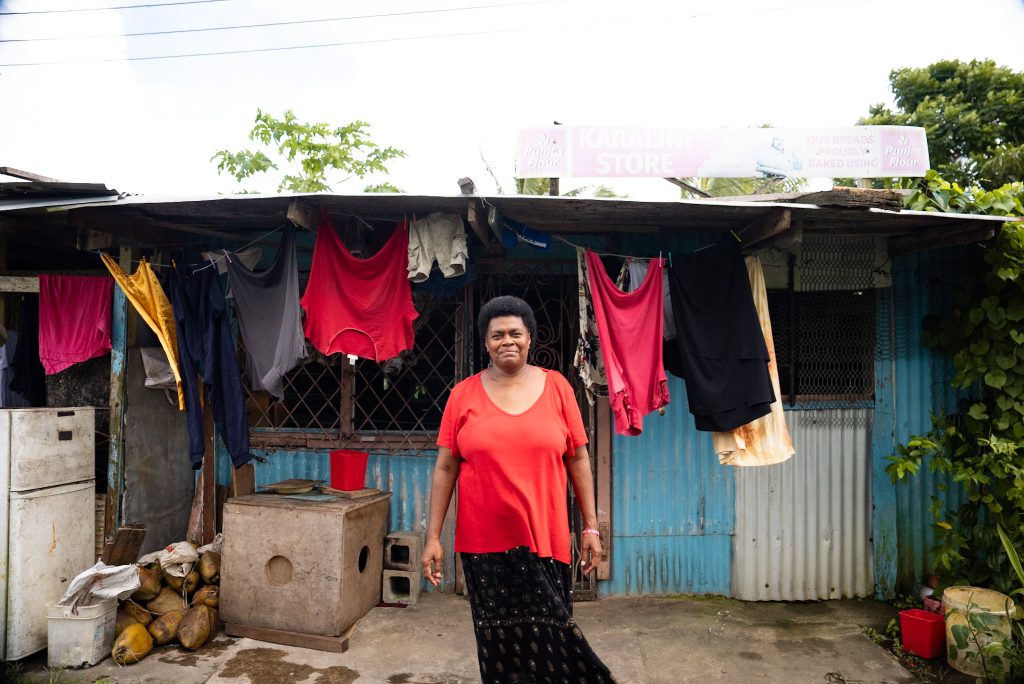
Moments of change: Stories from 6 years of community-led SRHR progress
Moments of change: Stories from 6 years of community-led SRHR progress
What does six years of change look like?
Sometimes, it looks like a girl returning to school after leaving early due to pregnancy, or a young woman asking the questions she once avoided, or a health worker changing the way he speaks to youth with questions he didn't always know how to address.
Over the past six years, we have worked together with community leaders, health workers, youth advocates, and women’s rights organizations to strengthen sexual and reproductive health and rights across Southern Africa and Asia-Pacific. These efforts have included peer education, youth-friendly services, community dialogue, and policy advocacy.
And the results aren't abstract–they can be measured, showing up in the data. But they also show up in everyday decisions, in classrooms, in clinics, and in homes.
Here are just a few of the stories that show us what that change looks like.
Choosing education
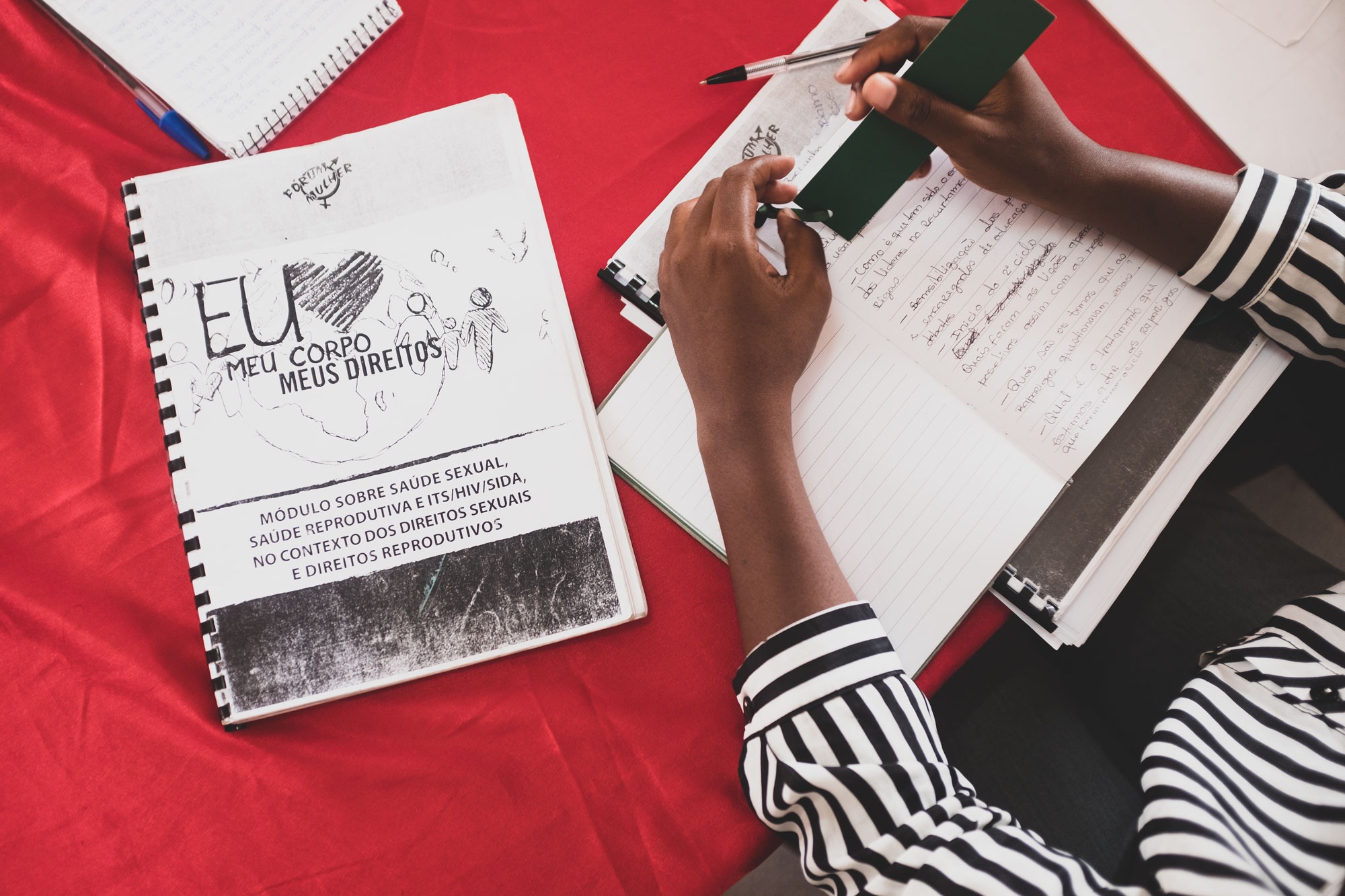
When Mutinta was in Grade 8 in Zambia, she left school to get married. Her family was facing financial challenges, and like many girls in her community, she saw marriage as a way to relieve her family’s burdens. Not long after, a peer educator named Chanda, who worked with the local health facility’s outreach program, learned about Mutinta’s situation and began visiting her. They spoke about sexual and reproductive health, early pregnancy, and about the options available to girls who wanted to continue their education.
Over time, Mutinta reconsidered her decision, deciding to leave the marriage and return to school with the support of a scholarship. Today, she is training to become a peer educator herself, working with other girls who are facing similar pressures to leave school early.
Her story is part of a wider shift. Between 2019 and 2024, teenage pregnancies in project districts declined by 11%, and access to family planning support for teen girls increased significantly, meaning more young women have access to the information and services that allow them to stay in school and make more informed reproductive health choices.
Challenging myths
Before joining a Her Future, Her Choice peer-to-peer training session in Malawi, Mwayi avoided conversations about contraception. In her community, myths were common. Some community members believed that contraception could cause infertility or birth defects, others suggested that young women who used them were promiscuous.
Mwayi was worried about an unplanned pregnancy, but she was also worried about being judged, and even raising the topic with her boyfriend felt difficult. But the training gave her space to ask questions openly, and she learned how different contraceptive methods work and what the actual risks were. More than just knowledge, the session also gave her the confidence to take a stand for her sexual and reproductive health.
"I am now free and happy. I am no longer scared of an unplanned pregnancy, and I will continue to influence other youth to follow suit."
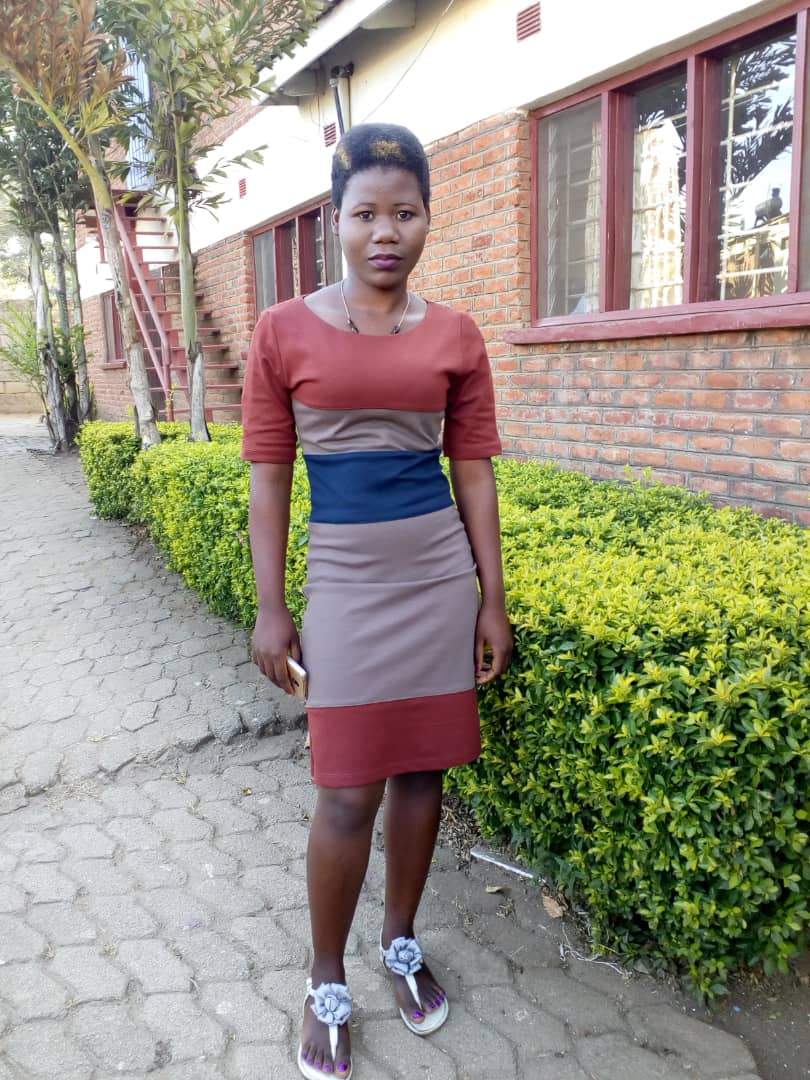
Mwayi’s experience also reflects a broader shift. Across project communities, the number of individuals who reported feeling confident in their knowledge of modern contraceptives increased by 36%.
Her story shows us what kind of change is possible when young people have a space to ask questions free from judgement.
Youth-friendly care
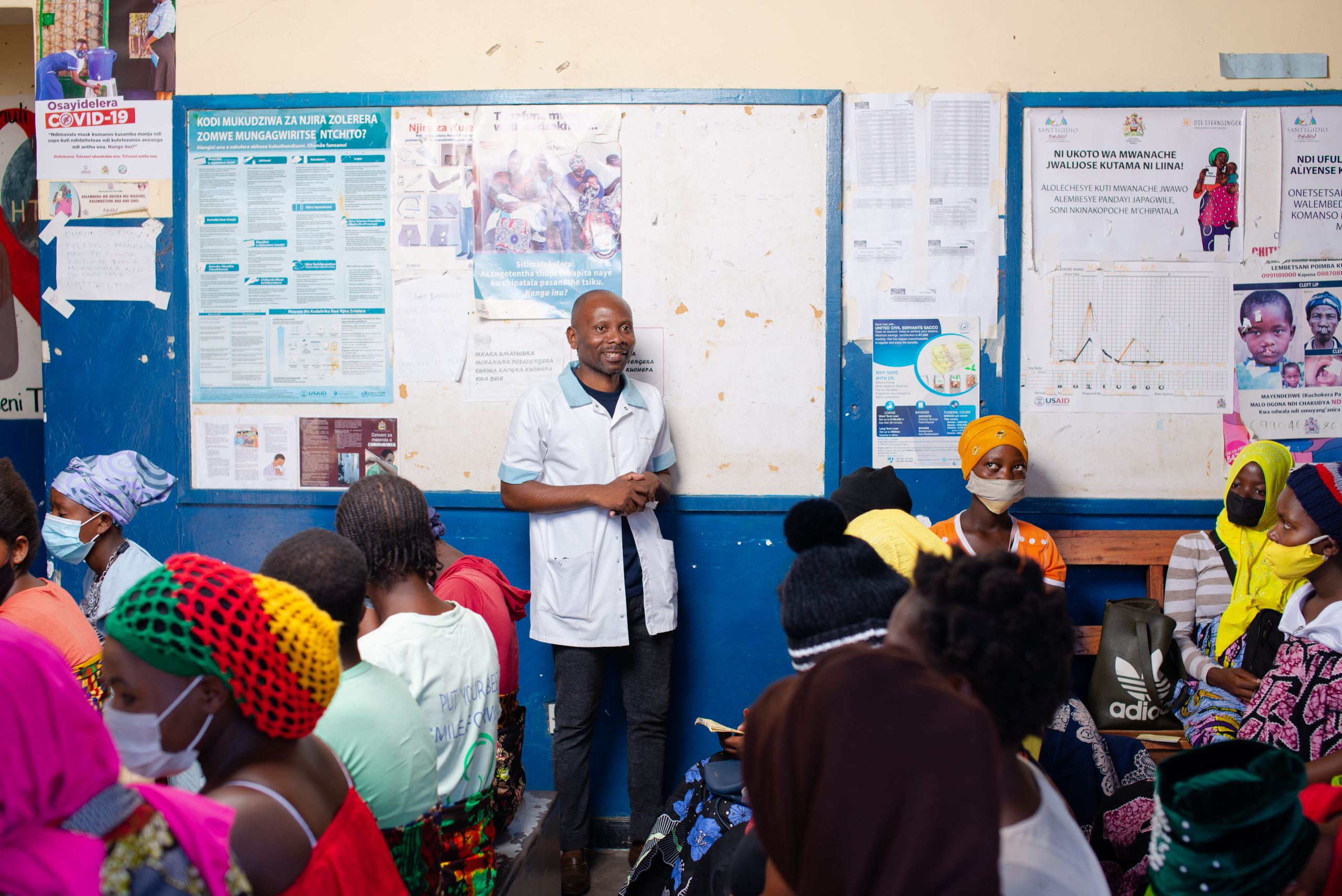
When teens came to the health centre in Balaka district, Malawi, Limbani didn’t always feel fully prepared to answer their questions. He recalls feeling at a loss when teens and youth came to the centre looking for sexual and reproductive health services, but now, he has become the go-to person in his community for information on contraceptives and STIs.
After participating in a training session through the Her Future, Her Choice project, Limbani’s confidence began to grow. The training focused on youth-friendly, gender-responsive care, and sought to give participants confidence in discussing SRH services and dispelling myths about contraceptives.
“After we were trained, we now have the capacity and technical know-how of assisting young people. Many young people come to get condoms, others come to get other long- and short-term family planning methods including getting treatment for STIs.”
Across supported health facilities, more than 5,700 health service providers have undergone specialized training to offer youth-friendly and gender-responsive SRH services, and the number of health facilities offering these services has more than doubled.
Not every moment of change is visible at first. But over time, these moments add up, and change grows gradually: in decisions to return to education, in the growing confidence to stand up for sexual and reproductive health, and in the way services are provided to communities.
Six years of community-led work has contributed to measurable progress–visible both in data and in stories like these, and the work continues.
To learn more about the impact across countries and communities, read the full Oxfam Canada Sexual and Reproductive Health and Rights Impact Brief.
Discover more stories
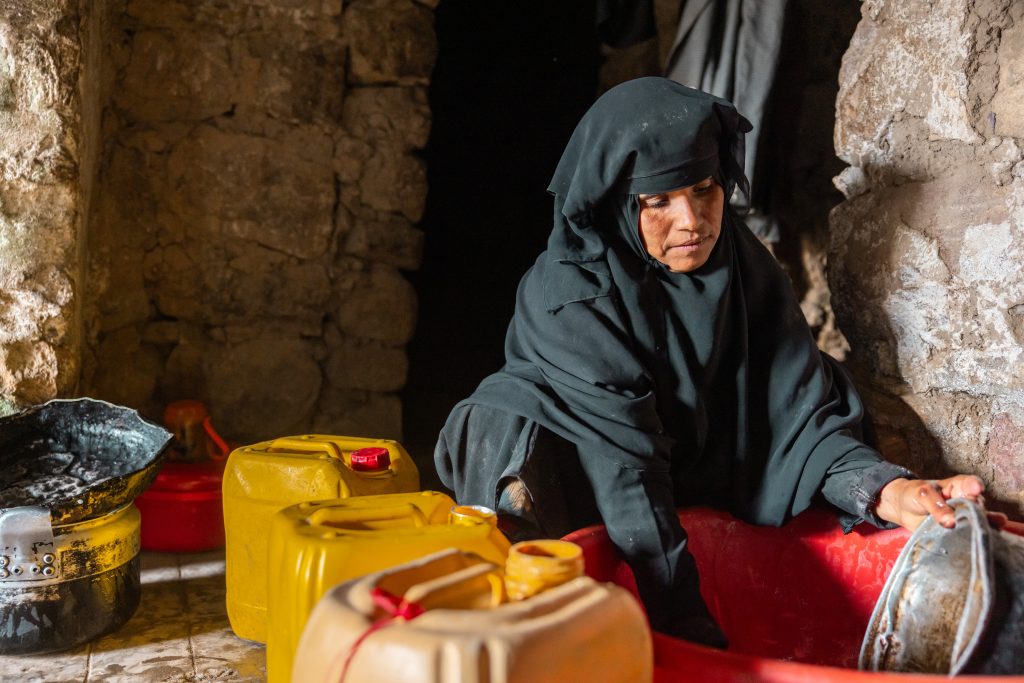
Water is a right, not a luxury. Despite that, on this World Water Day, clean water remains out of reach for millions of people. In Yemen alone, more than 17.8 million people, including 9.2 million children, lack reliable access to safe drinking water.
Women POWER (Pacific Oceanic Women Enhancing Resilience) is a five-year initiative funded by the Government of Canada and implemented by Oxfam Canada in partnership with Oxfam in the Pacific. The project works primarily in Fiji, Vanuatu and Kiribati, with regional engagement in Papua New Guinea, Tuvalu and the Solomon Islands.