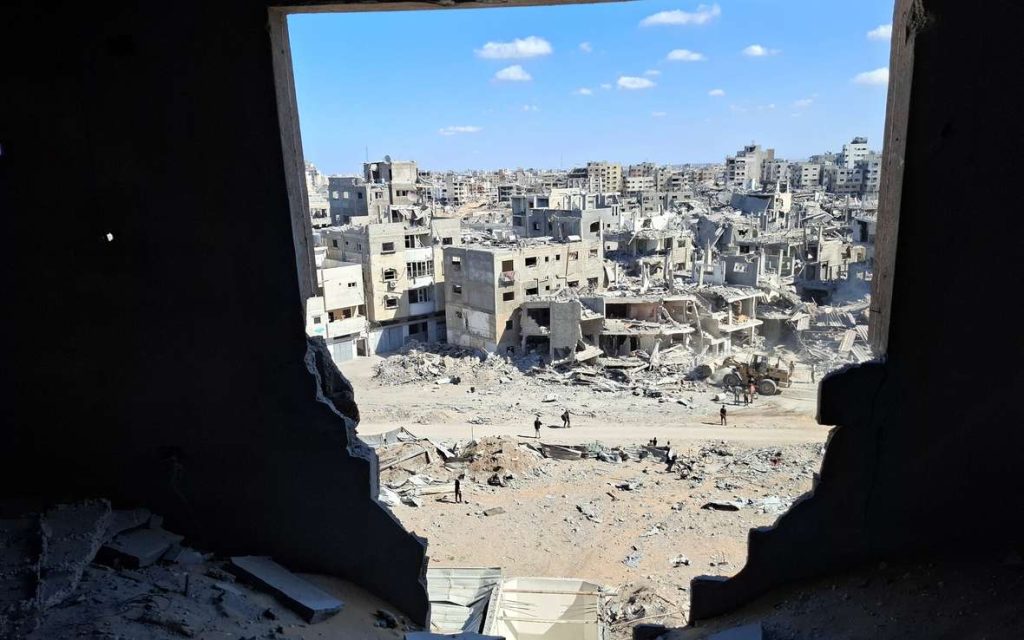
Solar-powered hope: From open ponds to safe, sustainable water
Water is a right, not a luxury. Despite that, on this World Water Day, clean water remains out of reach for millions of people. In Yemen alone, more than 17.8 million people, including 9.2 million children, lack reliable access to safe drinking water.
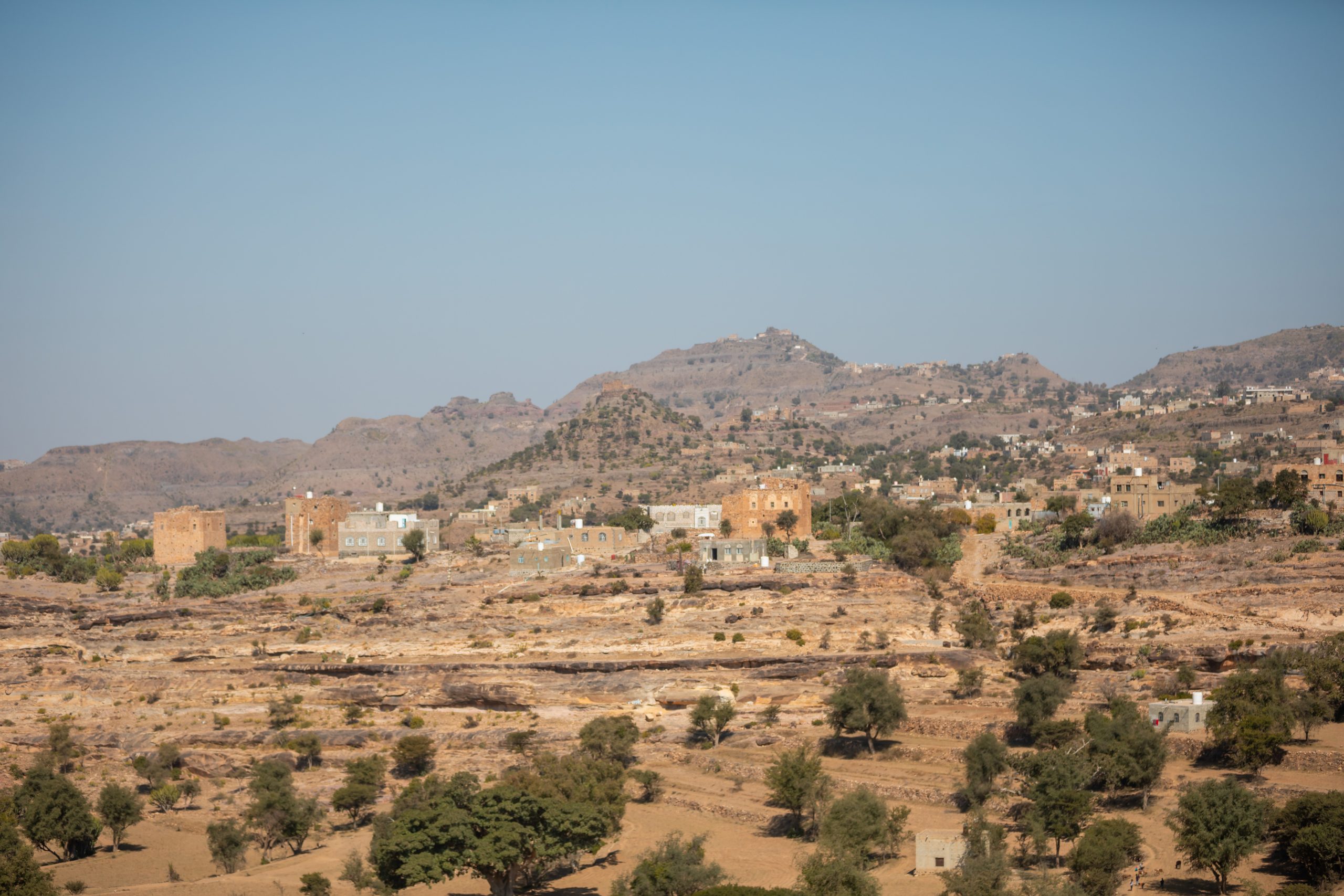
In Farjat Adeem, a rural community in Taiz governorate, access to water determined every aspect of women’s daily life–from how much time they had to spend caring for their families and doing income-generating activities to keeping their children and themselves healthy. When the community’s main water supply failed due to broken pumps and diesel shortages, women would walk long distances to collect water from contaminated ponds, and children would get sick from waterborne diseases.
But it doesn’t have to be this way. This World Water Day, we thank our donors that make life-changing solutions possible for communities like Farjat Adeem.
From morning to afternoon
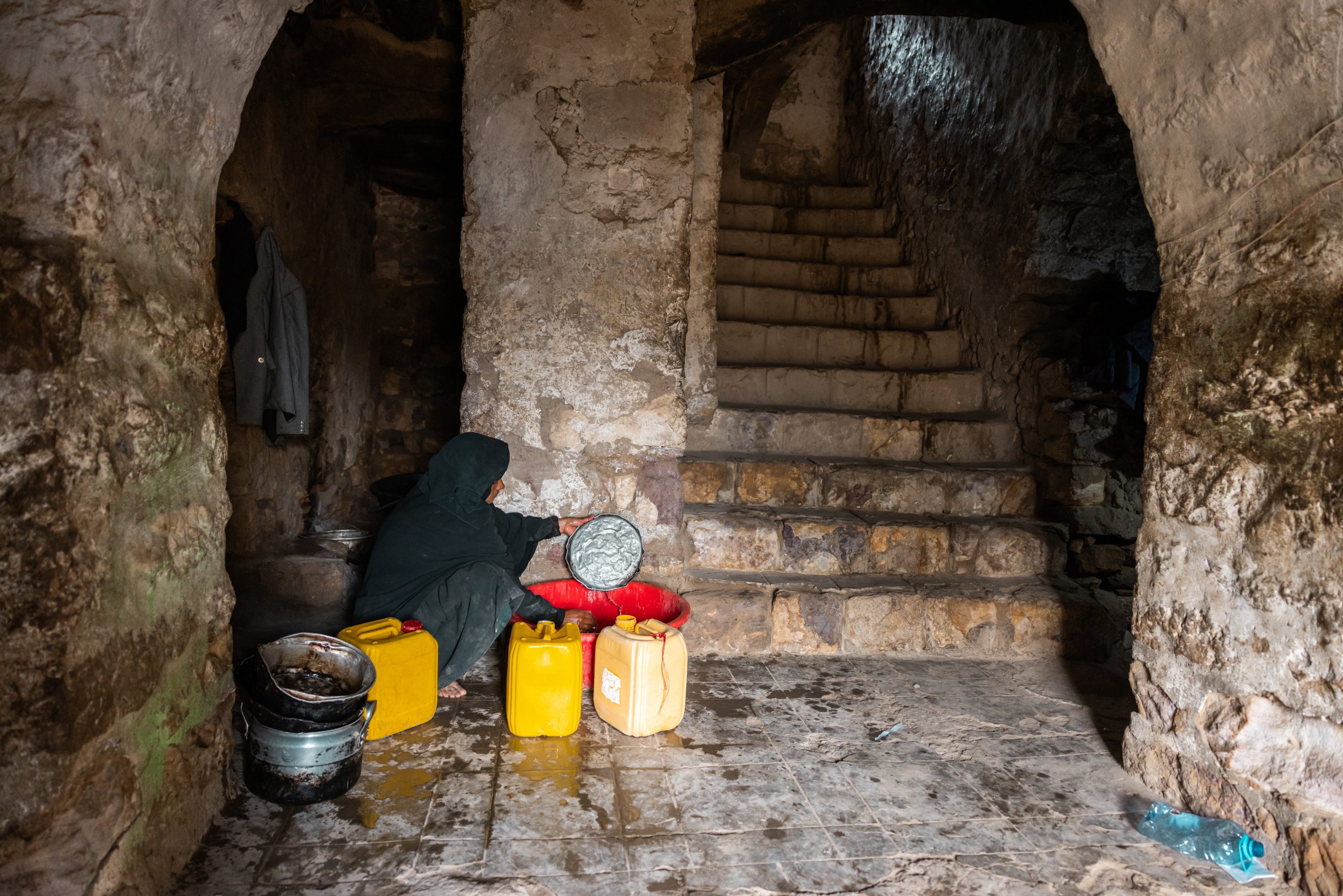
For years, access to water was a daily battle for Moniat, one that dictated her time, energy, and family’s well-being. Every morning, she had to spend hours collecting water from nearby open ponds, only to return again in the afternoon for more.
As the sole provider for her family, the hours lost to water collection were hours she couldn’t spend earning an income or caring for her children.
“We had no choice but to collect water from open ponds,” she says. “It was exhausting, and my children constantly suffered from diarrhoea due to the contaminated water.”
The lack of access to clean water kept Moniat trapped in poverty. And she wasn’t the only one.
Rebuilding after displacement
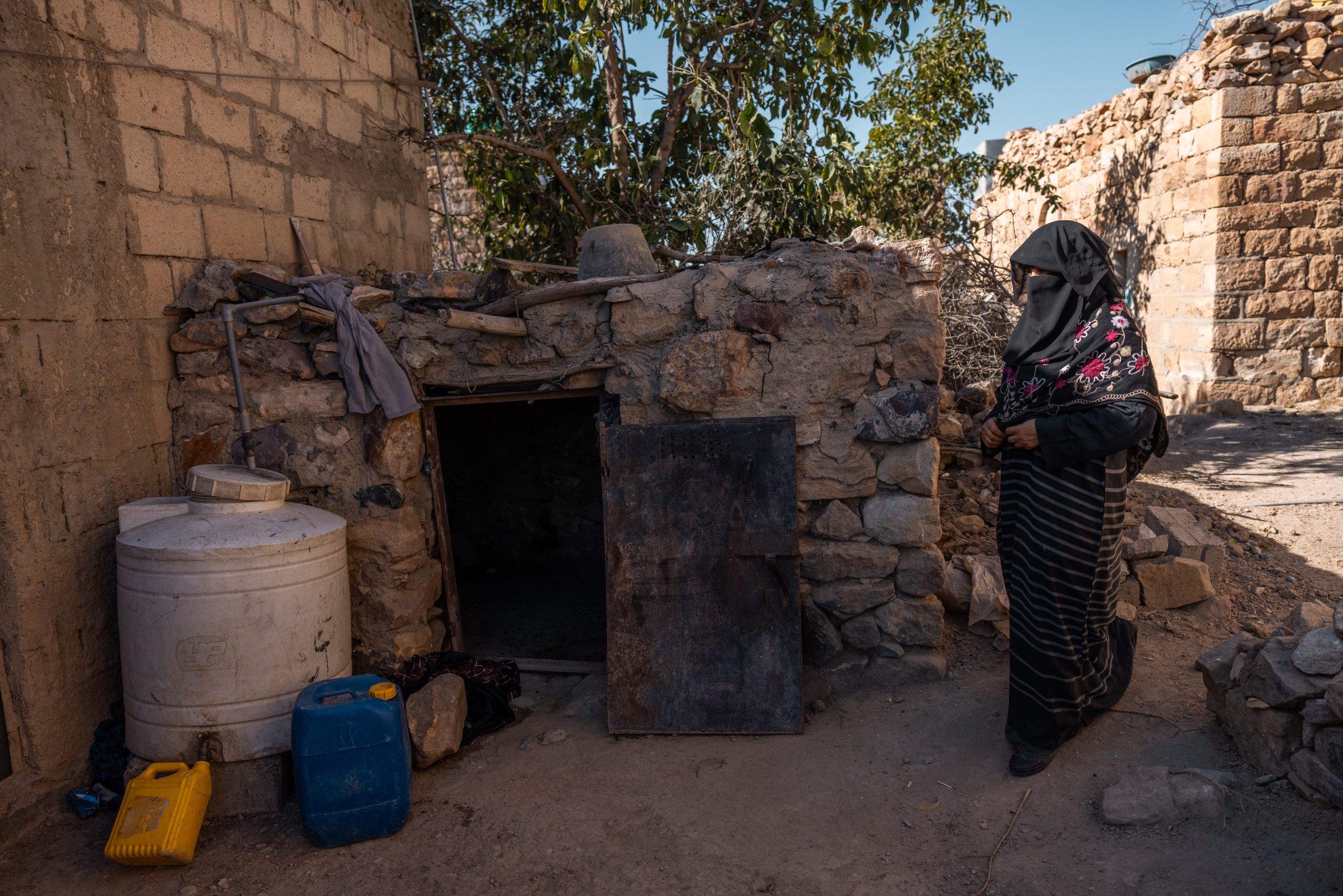
Warda’s family was forced to flee their hometown because of war, and they arrived in Farjat Adeem with their four children and little else. After her husband suffered a stroke, Warda took on any work she could find, often doing back-breaking work like hauling sacks of flour and carrying gas cylinders. She would do whatever it took to support her family.
But on top of that, getting water was yet another daily challenge. Each day, she carried plastic containers to the open pond, knowing that what she brought home wasn’t safe to drink. For potable water, she relied on neighbours, though this access wasn’t always a certainty.
“We used to live a stable, peaceful life,” she says. “But war and displacement shattered our security.”
For families like Warda’s, the water crisis wasn’t a separate challenge–it added more pressure to every part of daily life.
A sustainable solution
Across Farjat Adeem, many families were facing the same reality: access, or rather the lack of, to safe water was a daily challenge
That began to shift when a solar-powered water system was introduced in the community. With support from Oxfam, a 120-metre-deep well now provides a reliable source of clean water, powered by solar energy rather than diesel. By shifting to solar power, the system no longer depends on fuel that once left families without water for weeks at a time.
Today, 4,650 people across 665 households have access to safe, reliable water.
For Moniat, the change was immediate. “Our joy was immense when we finally had a steady water supply after months of hardship,” she says. “Now, we drink clean, safe water without worry.”
The long walks to the pond are gone, and the hours she once spent fetching water have been returned to her–time she can now spend caring for her family.
For Warda, it has changed what each day looks like; but it’s about more than that. “It’s not just about water,” she says.
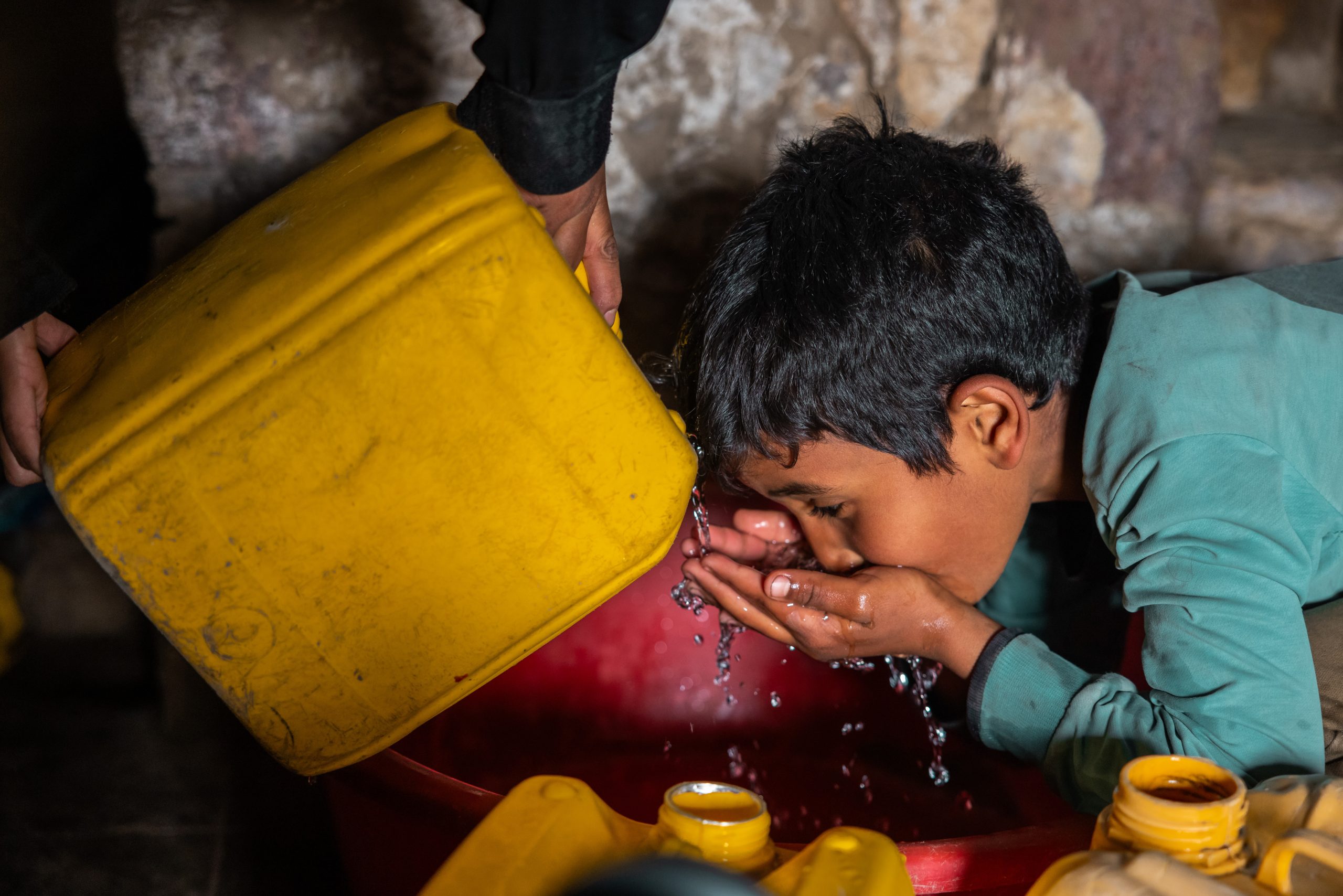
“It’s about peace, dignity, and a future without fear. Now, instead of worrying about where to find clean water, we can focus on rebuilding our lives.”
Across Farjat Adeem, the project has not only ensured sustainable access to clean water, but has also given people back time, stability, and a sense of security.
In communities like Farjat Adeem, sustainable solutions are showing what’s possible, and this World Water Day, the stories off Moniat and Warda are a reminder that access to clean water is a right, and when that right is met, people can begin to focus on their future.
Discover more stories
On International Safe Abortion Day, we celebrate an important truth: rights only matter when people can exercise them. Around the world, progress has been made to advance sexual and reproductive health and rights (SRHR). Laws have changed, policies have evolved, and investments have expanded access to essential services. Yet for many women, girls and gender-diverse people, stigma, discrimination, lack of information, and under-resourced health systems continue to stand between rights on paper and reality.
Decisions about the future of Gaza must be made by Palestinians, with respect for basic human rights and self-determination.