Women POWER: Supporting Women Leaders on the Frontlines of Climate Change in the Pacific
Women POWER: Supporting Women Leaders on the Frontlines of Climate Change in the Pacific
On January 16, in Suva, Fiji, Canada marked an important milestone in its engagement with the Pacific by launching Women POWER, a new regional initiative focused on climate resilience and economic opportunity. The project was officially launched by Canada’s Secretary of State for International Development, Randeep Sarai, during a visit that highlighted Canada’s growing partnership across the Indo-Pacific.
The launch signalled more than the start of a development project. It reflected Canada’s recognition that climate change and economic stability are deeply connected, and that supporting practical solutions on the ground benefits both Pacific communities and Canada’s long-term interests.
Why the Pacific Matters
Pacific Island countries are already experiencing the front-line impacts of climate change. Stronger storms, rising sea levels, and unpredictable weather are affecting food production, incomes, and local economies. For countries that rely heavily on agriculture, fisheries, and small businesses, these changes pose serious risks – not just locally, but regionally.
Canada’s Indo-Pacific Strategy identifies the Pacific as a region of strategic importance. Building resilience there helps reduce future humanitarian crisis, strengthens economic stability, and supports reliable trade and development partnerships. In a region where climate shocks can quickly disrupt livelihoods and markets, proactive investment makes both humanitarian and economic sense.
Climate change does not respect borders. When communities are better equipped to adapt and thrive, there is less risk of displacement, economic disruption, and long-term instability. For Canada, supporting resilience in the Pacific aligns with broader goals of economic cooperation, trade diversification, and regional stability in the Indo-Pacific.
Women POWER and Our Goals
Women POWER (Pacific Oceanic Women Enhancing Resilience) is a five-year initiative funded by the Government of Canada and implemented by Oxfam Canada in partnership with Oxfam in the Pacific. The project works primarily in Fiji, Vanuatu and Kiribati, with regional engagement in Papua New Guinea, Tuvalu and the Solomon Islands.
At its core, Women POWER supports communities to adapt to climate change while strengthening local economies. It focuses on improving climate-smart farming and fisheries, supporting small enterprises, and helping producers connect to markets. The project also works at the community and policy levels so that local knowledge and experience inform longer-term planning and decision-making.
A key part of this approach is supporting women, who play a central role in food production and household livelihoods across the Pacific. Yet women often face barriers to training, resources, and market access. By addressing these gaps, Women POWER helps strengthen entire households and communities – not just individuals.
What will the Impact be
Over its five-year lifespan, Women POWER aims to directly support more than 8,800 people, most of them women and young people, while indirectly reaching thousands more through community programs and regional collaboration.
The impact goes beyond numbers. By improving access to skills, tools, and markets, the project helps households stabilize incomes and better withstand climate shocks. Communities become less vulnerable to extreme weather events, food systems become more resilient, and local economies are better positioned to grow sustainably.
At a regional level, the project supports stronger networks and shared learning across Pacific countries, helping successful approaches spread beyond individual communities. This creates lasting benefits that continue well after the project ends.
Women POWER represents a practical, forward-looking investment, one that connects climate action with economic opportunity and international partnership. By supporting local solutions today, Canada is helping build a more stable and resilient region for the future.
As climate pressures grow worldwide, projects like Women POWER show how targeted community-driven initiatives can deliver real impact – strengthening lives, economies, and partnerships at the same time.
Discover more stories
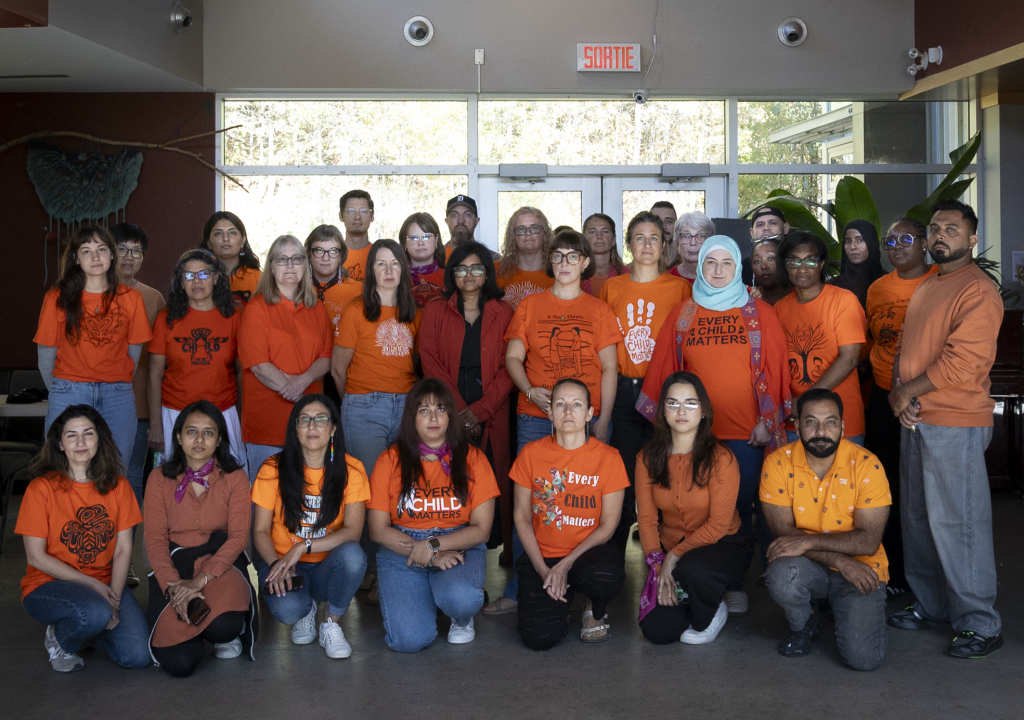
At Oxfam Canada, we believe that fighting inequality requires challenging the systems that create and sustain it. That’s why our commitment to anti-racism, JEDI, and decolonization is not a side project-it’s at the heart of everything we do.
Water is a right, not a luxury. Despite that, on this World Water Day, clean water remains out of reach for millions of people. In Yemen alone, more than 17.8 million people, including 9.2 million children, lack reliable access to safe drinking water.