

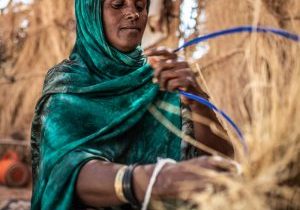
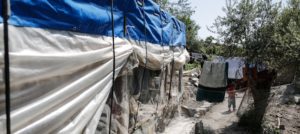
What does it feel like to be a refugee, forced to flee to an unfamiliar country…
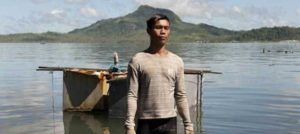
by Winnie Byanyima Two major injustices – inequality and climate change – are threatening to undermine…
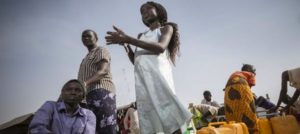
by Lauren Ravon and Lise Martin Last week the international community was shocked when two little…
by Emily Brown, Oxfam Great Britain Yesterday I shared with you a new animation on women’s…
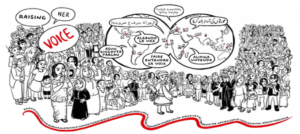
by Emily Brown, Oxfam Great Britain Have you ever felt like no one is listening to…
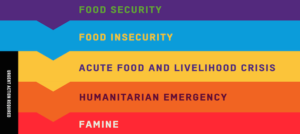
by Anna Kramer, Oxfam America Recently, a friend of mine almost got into trouble with the…
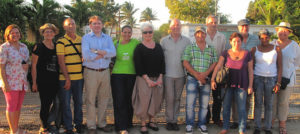
A group of Oxfam executive directors and board chairs recently took to the fields of Cuba,…

by Melanie Gallant A couple of months ago I biked 350 kilometres under the Cuban sun,…
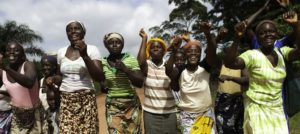
by Winnie Byanyima I have joined global decision makers in Maputo this week for the IMF…
Beyond the headcount: Transformative leadership for women’s rights
by Chloe Safier “Women’s leadership is a fundamental part of Oxfam’s work, and our commitment to…

No company is too big to listen to its customers. When enough of us speak out,…
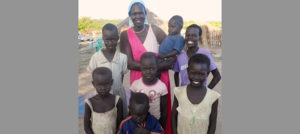
by Dorah Ntunga Last December, Nyakuoth was living happily in South Sudan, with her husband and…
Live Search
Latest News
Joint Letter to Prime Minister Carney on the United Nations International Day for the Eradication of Poverty
Re: United Nations International Day for the Eradication of Poverty Dear Prime Minister Carney, We are writing to you on the International Day for the Eradication of Poverty, a day that reminds us that ending poverty is inseparable from protecting human rights, dignity, and social inclusion, and that commitments to eradicate poverty must be matched…
Countries locked into IMF austerity programs are also around twice as vulnerable to economic fallout from war against Iran
Countries locked into IMF austerity programs are also around twice as vulnerable to economic fallout from war against Iran Countries locked into International Monetary Fund (IMF) austerity programs are also, on average, around twice as vulnerable to the economic fallout from the US and Israel’s war against Iran and the escalating climate crisis, reveals new…
GAZA CEASEFIRE EXISTS IN NAME ONLY, SAY MORE THAN 100 ORGANIZATIONS
One year since the ceasefire agreement, more than 1,400 people have been killed by Israeli forces in Gaza, nearly two million still need shelter, not a single hospital is fully functioning, and 1.4 million face crisis-level hunger. GAZA, 9 October 2026 – One year after the Gaza ceasefire agreement was reached, more than 100 humanitarian,…
Gas tax holiday extension won’t ease affordability crisis for Canadians
Gas tax holiday extension won’t ease affordability crisis for Canadians Canadians need real relief from the cost-of-living crisis that’s hitting them from all directions. They’re feeling it when they buy food, and they’re feeling it at the pump, where gas prices in July were more than 25 per cent higher compared to last year. Last week, in an effort to address affordability, the government announced an extension to the…