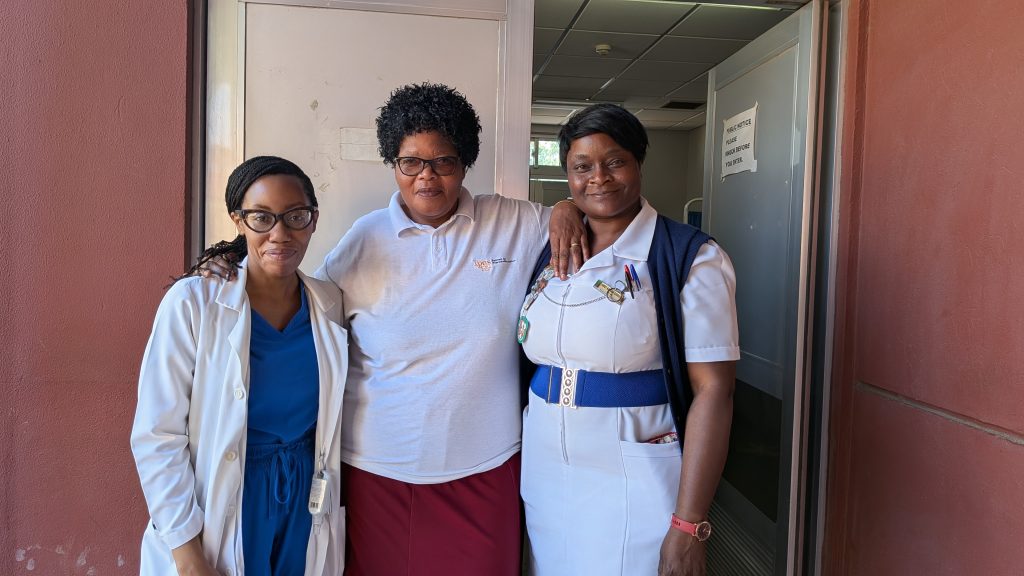
The World Runs on Care Work. So Why Are Care Workers Being Left Behind?
The World Runs on Care Work. So Why Are Care Workers Being Left Behind?
Think about the people who make it possible for others to go to work, raise families and manage their daily lives. The people who care for children and older family members, prepare meals, clean homes and support people with disabilities.
Their work is essential. But how often do we think about the people doing it, their working conditions or whether they can afford to care for their own families?
Around the world, millions of domestic workers, most of them women, are doing work that keeps our societies and economies running. Yet they remain among the least protected and most exploited workers.
On October 29, the International Day of Care and Support, Oxfam released a new briefing paper, Time to Care for Care Workers: Ending the Domestic Workers' Exploitation, examining why the people doing this essential work continue to face exploitation and what needs to change.
The work is essential. The protections should be too.
Domestic workers make up 25% of the global care workforce. Yet despite the importance of their work, many are denied the wages, protections and rights that other workers take for granted.
Oxfam's new briefing paper highlights just how widespread these inequalities are:
Around 79% of women domestic workers are informally employed, often without basic workplace protections.
Women domestic workers earn just 56% of the average worker's wage globally. In low- and middle-income countries, they earn less than one-third.
Only 6% of domestic workers worldwide have comprehensive social protection, leaving many without essential benefits such as unemployment insurance and workplace injury compensation.
These conditions are rooted in how societies have historically treated care work. For generations, cooking, cleaning and caring for others have been seen as women's natural responsibilities rather than skilled work deserving fair compensation.
Even when this work is paid, those attitudes persist. Domestic workers are often described as being "like family," while being denied the wages and protections that come with formal employment.
But care work is work. And the people doing it deserve the same rights as everyone else.
Who pays the price for cheap care?
The exploitation of domestic workers is closely tied to gender inequality, racism, colonialism and poverty.
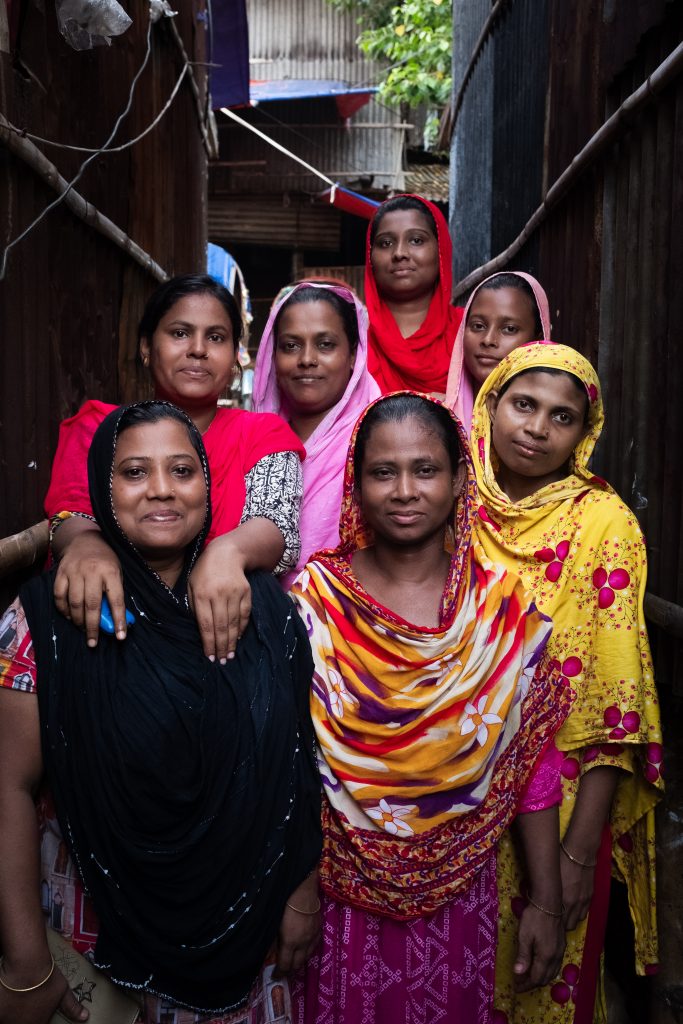
Migrant, racialized, Indigenous, Afro-descendant and Dalit women are disproportionately represented in domestic work. Many leave their homes and families to find employment elsewhere, often filling critical care gaps in wealthier countries.
Yet some immigration systems tie migrant domestic workers' legal status to a single employer, making it difficult to leave abusive workplaces without risking their right to remain in the country. Workers can face withheld wages, restrictions on their movement, confiscated passports and violence.
The problem goes beyond individual employers.
For decades, governments have underinvested in public care services and social protection. When childcare, healthcare and other essential services are underfunded, the responsibility for care falls disproportionately on women, whether through unpaid work or poorly paid jobs.
Meanwhile, digital platforms offering cleaning and homecare services are creating new ways for companies to profit from domestic workers' labour. Some classify workers as independent contractors, denying them employment protections while charging commissions and using customer ratings and algorithms to control access to work.
The result is a deeply unequal system. Households, businesses and economies benefit from care work, while many of the people providing it struggle to make ends meet.
Domestic workers are standing up for their rights
There is another important story in Oxfam's briefing paper: domestic workers have been organizing for decades to demand better working conditions and equal rights.
Their collective efforts helped secure the International Labour Organization's Domestic Workers Convention (C189) in 2011, establishing international standards for decent working conditions, fair wages, social protection and the right to organize.
Domestic workers' movements have also helped advance protections against workplace violence and harassment, and pushed for stronger rights for people finding work through digital platforms and apps.
These victories matter. But laws are not enough when they aren't properly enforced.
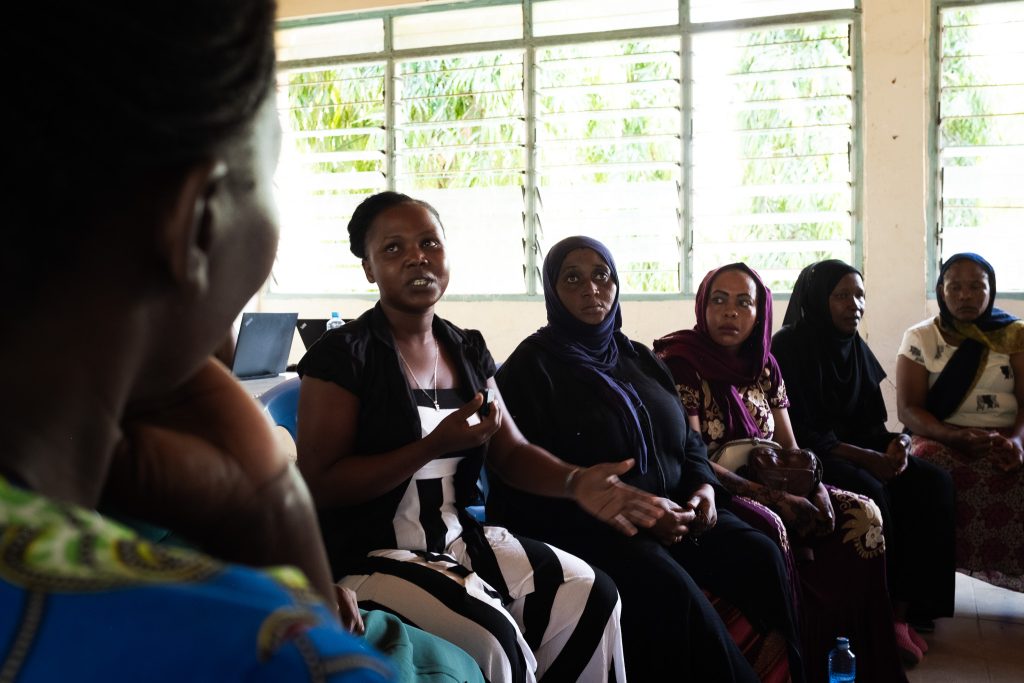
A domestic workers' group discussion organized by the Kenya Union of Domestic, Hotels, Educational Institutions, Hospitals and Allied Workers. Photo: Caroline Leal / Oxfam
Oxfam is calling on governments to recognize care as a human right and a public good. That means investing in public care services, strengthening labour protections, ensuring fair wages and social protection, ending discriminatory immigration laws, and protecting domestic workers' right to organize.
And domestic workers must be at the centre of these decisions. They know better than anyone what needs to change.
It's time to care for care workers
The International Day of Care and Support is an important reminder of how much our lives depend on care. But recognizing its importance means little if the people doing the work continue to face exploitation.
We cannot build a fairer economy on the backs of underpaid and unprotected workers.
Care work makes so much of our daily lives possible. It's time we valued the people who make it happen.
Read Oxfam's latest briefing paper, Time to Care for Care Workers: Ending the Domestic Workers' Exploitation, to learn more about the inequalities facing domestic workers and what governments must do to protect their rights.
Discover more stories
The world is dangerously close to crossing 1.5oC above pre-industrial levels, despite global commitments to stay within the threshold to avoid the worst impacts of global warming.
On International Safe Abortion Day, we celebrate an important truth: rights only matter when people can exercise them. Around the world, progress has been made to advance sexual and reproductive health and rights (SRHR). Laws have changed, policies have evolved, and investments have expanded access to essential services. Yet for many women, girls and gender-diverse people, stigma, discrimination, lack of information, and under-resourced health systems continue to stand between rights on paper and reality.