International Safe Abortion Day: From Rights to Reality
On International Safe Abortion Day, we celebrate an important truth: rights only matter when people can exercise them.
Around the world, progress has been made to advance sexual and reproductive health and rights (SRHR). Laws have changed, policies have evolved, and investments have expanded access to essential services. Yet for many women, girls and gender-diverse people, stigma, discrimination, lack of information, and under-resourced health systems continue to stand between rights on paper and reality.
That was a central message at a recent gathering of advocates, health providers, policymakers, funders and civil society organizations in Ottawa. The evening celebrated Canada's contribution to SRHR at home and around the world, while asking an important question: how do we protect and build on progress in an increasingly challenging global environment?
For Oxfam’s CHOICE project, the answer begins with a simple principle: bodily autonomy requires more than legal rights. It requires access to information, quality health services, supportive communities, and the ability to make informed decisions free from coercion, stigma, and discrimination.
Turning rights into reality
CHOICE is a seven-year, Global Affairs Canada-funded, gender-transformative project implemented by Oxfam Canada and partners in Malawi, Zambia and Zimbabwe. The project advances SRHR by strengthening agency, supporting resilient and gender-responsive health systems, and working alongside local civil society organizations to advocate for change.
At its core, CHOICE recognizes that people cannot exercise their rights if the systems around them prevent them from doing so.
Across the three countries, barriers look different. In Zambia, abortion is legally permitted, yet stigma, limited availability of trained providers and lack of awareness about available services can still prevent people from accessing care. In Malawi, restrictive abortion laws create additional challenges. Across all three countries, social norms, gender inequality, economic barriers and health-system constraints shape whether people can access the services they need.
Changing laws and policies is essential - but it is only part of the solution.
From policy to practice
During the Ottawa event, Chalumba Mutengo of Ipas Zambia reflected on the gap that can exist between legal rights and people's lived experiences.
He shared how, despite decades of legal access to abortion in Zambia, a young woman seeking care may still encounter stigma, misinformation or providers who lack the training and support to offer compassionate, rights-based services.
Her rights may exist in law. But her experience depends on what happens when she walks through the door of a health facility.
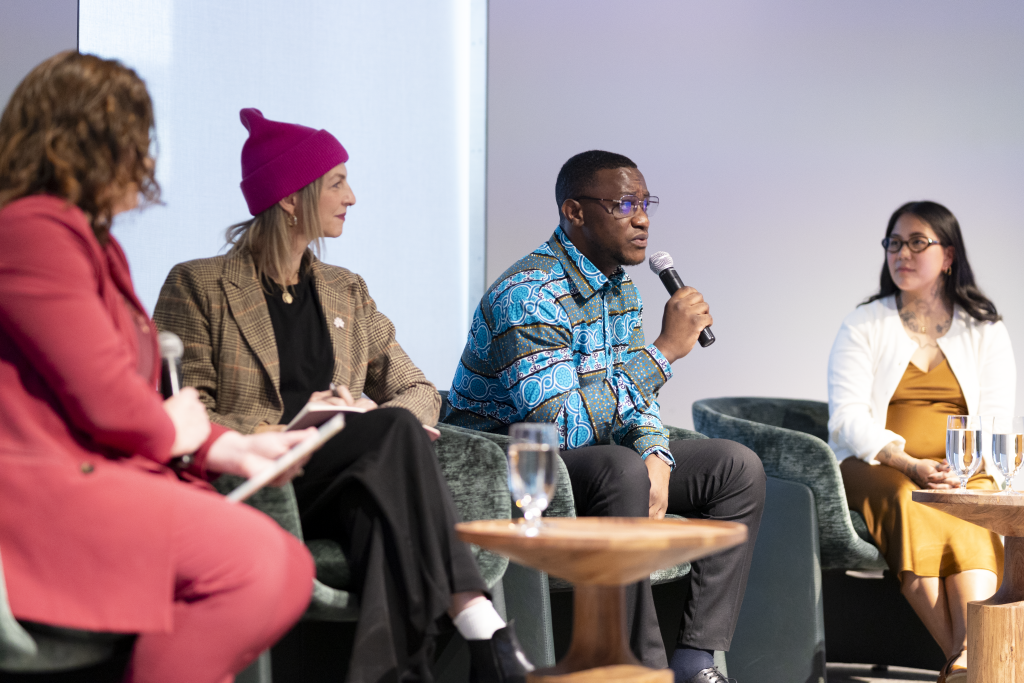
Chalumba Mutengo from Ipas Zambia speaking at the Our Rights, Our Values: Canada’s Commitment to SRHR event last week in Ottawa, Ontario. Photo: Mikaela Roberts/Oxfam
Closing that gap requires investment in trained health providers, stronger health systems, community engagement, accurate information and efforts to challenge the stigma that prevents people from seeking care.
It is also why long-term investment matters. Sustainable change takes time. It requires building trust, strengthening institutions, and supporting the people who deliver services and advocate for rights every day.
Sustaining progress in uncertain times
The celebration was also an opportunity to acknowledge how much the global environment is changing.
Anti-rights movements are increasingly organized. Development financing is under pressure. Civil society organizations are operating in more challenging environments. At the same time, health systems are confronting overlapping pressures - from pandemics and climate-related shocks to weak governance and limited resources.
In this context, sustaining progress on SRHR requires long-term commitment.
It means protecting funding for SRHR even when political attention shifts. It means investing in resilient health systems rather than short-term fixes. It means strengthening local organizations so they can continue advocating for rights and delivering change beyond the life of an individual project. And it means generating and sharing evidence so that policies, programs and investments respond to what communities actually need.
Canada's role
Canada has played an important role in advancing SRHR internationally, including through investments that support bodily autonomy, gender equality and access to comprehensive SRHR.
That leadership matters. But leadership is not only about what Canada says. It is also about the partnerships it builds, the evidence it supports, the resources it commits, and the space it creates for local organizations to lead.
CHOICE is one example of what that commitment can make possible: a partnership bringing together Canadian and international organizations with local actors across Malawi, Zambia and Zimbabwe to address interconnected barriers to SRHR.
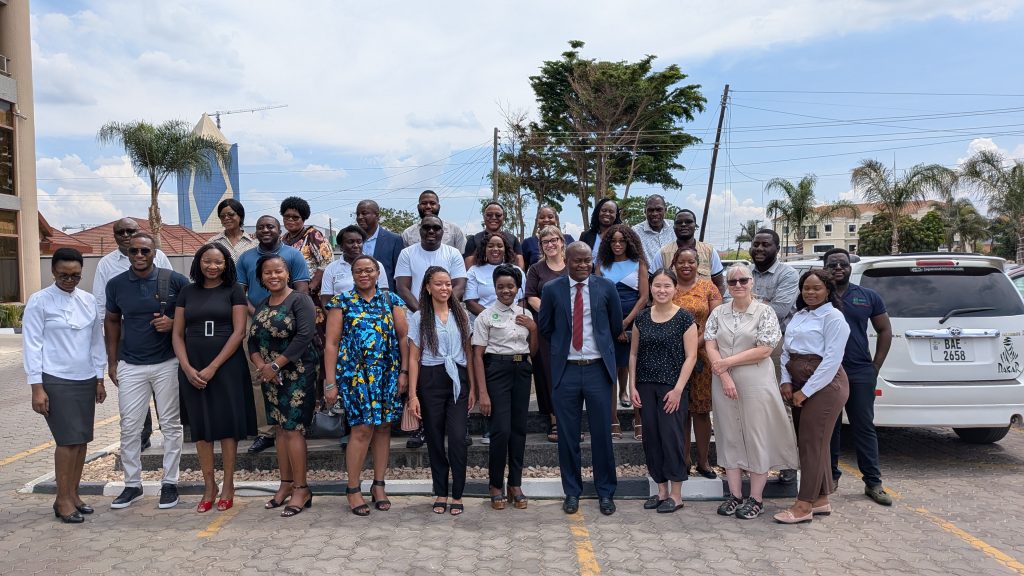
The CHOICE project team in Zambia. Photo: Alexandra Wilson
Progress worth celebrating - and building on
International Safe Abortion Day is both a celebration and a call to action. We can celebrate the advocates, health workers, communities, organizations, governments and funders who have advanced SRHR and challenged stigma. But progress is never self-sustaining.
The work now is to protect hard-won gains while building systems where everyone can exercise their SRHR with dignity, agency and without discrimination. That means sustaining investment, strengthening partnerships, supporting local leadership, and ensuring people can access the care they need - not just in principle, but in practice.
Alexandra Wilson is the Program Manager for SRHR, International Programs at Oxfam Canada.
Discover more stories
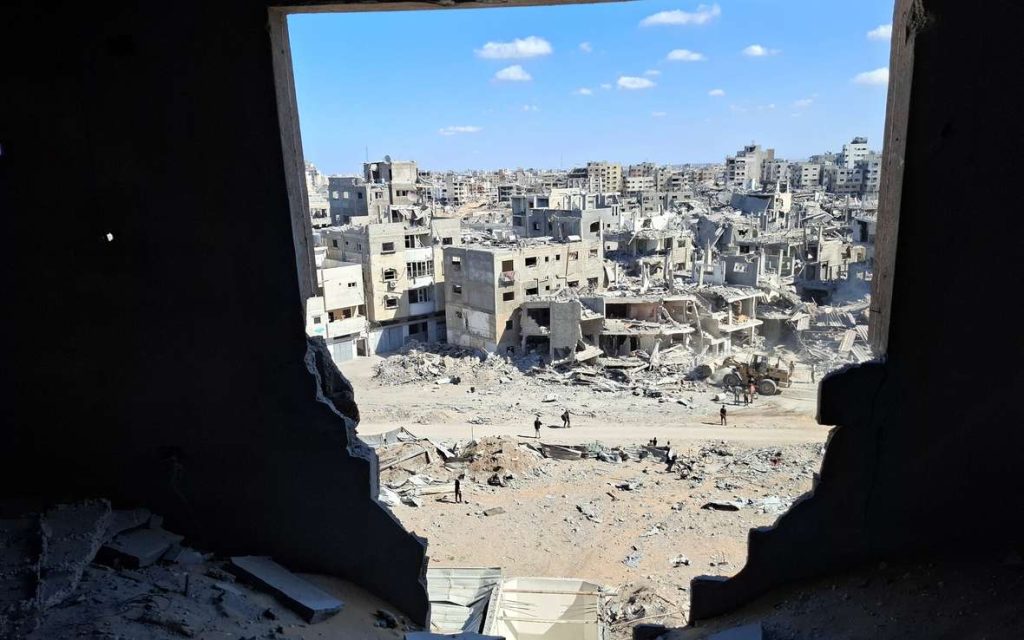
Decisions about the future of Gaza must be made by Palestinians, with respect for basic human rights and self-determination.
During a recent visit to Oxfam Pacific in Suva, Fiji, I spent the day in discussions with colleagues on the Women Power project — an initiative focused on strengthening women’s leadership and economic resilience across the Pacific.