Building Safer Communities Through Prevention in Jamaica
Violence prevention work often begins long before a crisis happens. It starts in homes, schools, in community centres, on football fields and in conversations where young people feel heard for the first time.
For more than two decades, the Violence Prevention Alliance (VPA) has worked to address the root causes of violence in Jamaica through community-based prevention programs grounded in evidence. Earlier this year, during International Development Week, we spoke with Colleen Wint Bond, a consultant and project coordinator with VPA, about the organization’s work and the growing challenges facing community organizations amid global aid cuts.
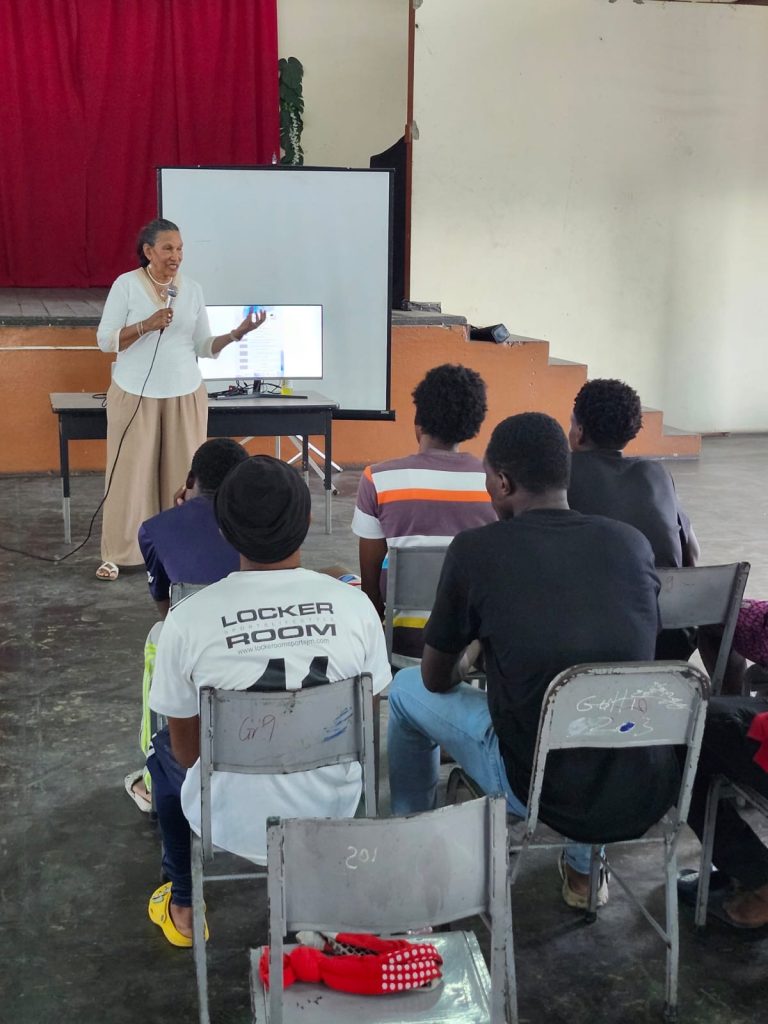
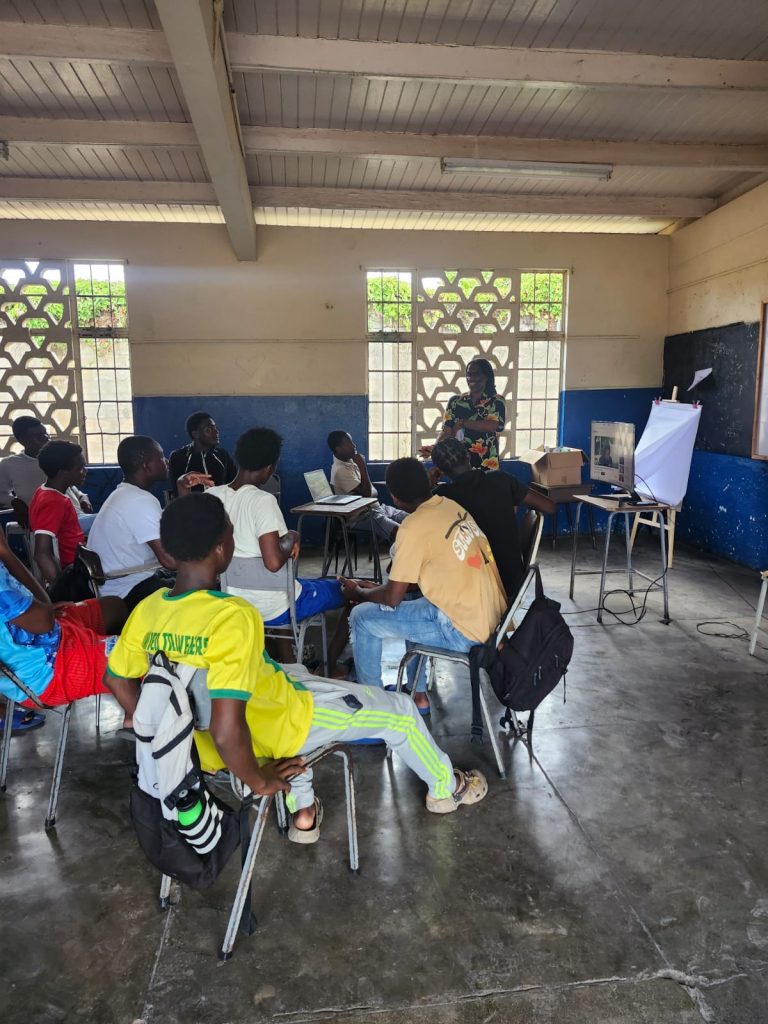
VPA is a partner in Oxfam Canada’s WE-Talk project, which works to reduce and prevent gender-based violence in Jamaica. VPA creates spaces for boys and young men to have open conversations and receive peer support.
“Every single time we engage with the young men, they just need more space to talk,” Colleen says.
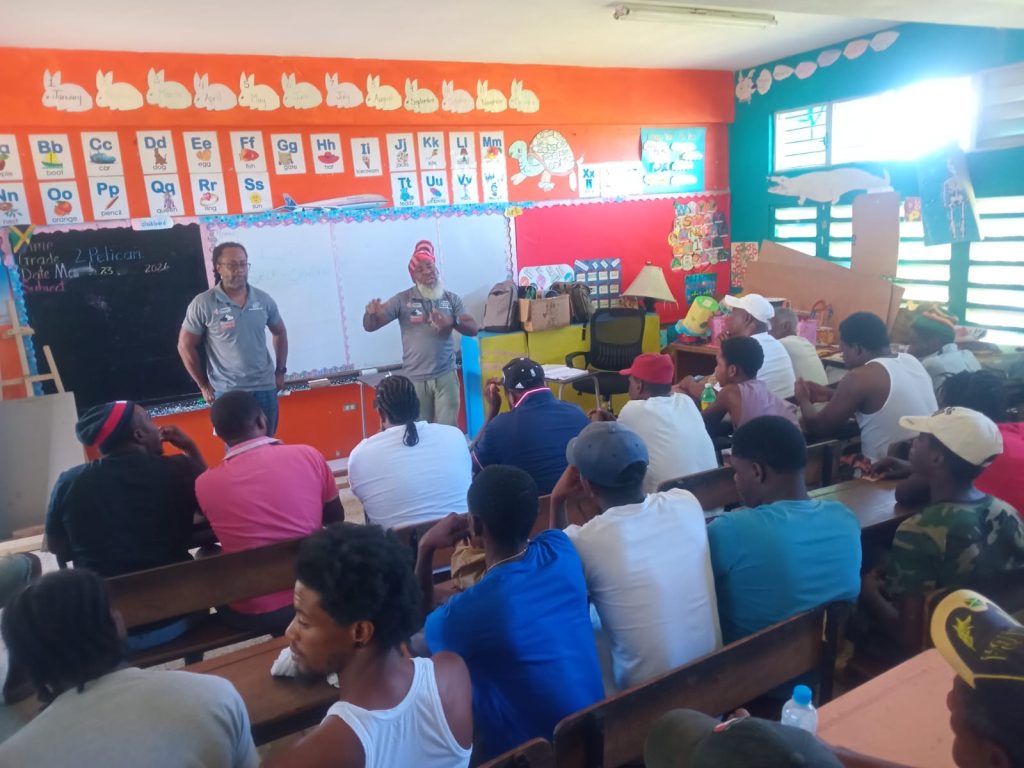
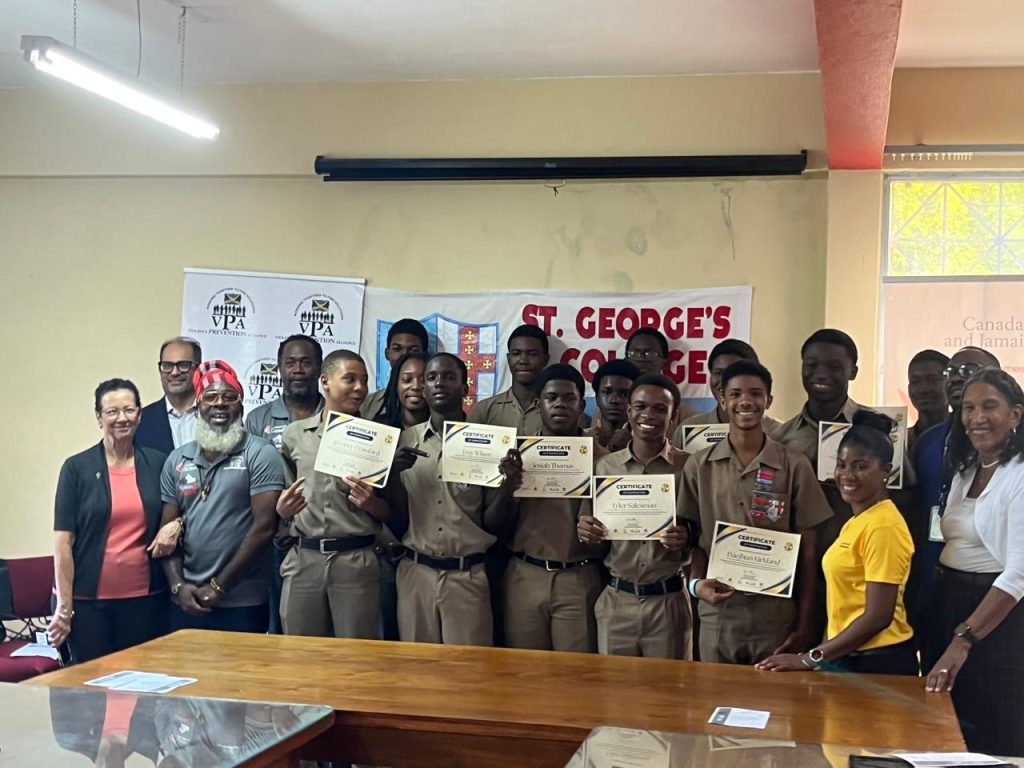
Colleen Wint Bond and the Violence Prevention Alliance
Colleen’s background spans both sociology and communications — two fields that continue to shape her work today.
“I’ve always been interested in how families operate and how communities function,” she explains. “And then I became interested in how we communicate these things with other people.”
VPA uses a public health, data-driven, evidence-based approach to violence prevention. Working alongside schools, community groups and partner organizations, VPA supports programs focused on prevention, youth engagement and community well-being.
Some initiatives work with children through after-school programming and parent engagement. Others support young people who may be at risk of becoming involved in violence or who have already come into conflict with the law.
“We try to start when individuals are young because that’s the germination part of the behavior,” Colleen says.
Many of the young people VPA works with face multiple challenges, including poverty, violence in their communities and limited access to opportunities. Some programs also provide practical support, including help accessing personal identification documents, preparing resumes and finding employment opportunities.
“We plod on, we chip away where we can,” Colleen says. “And we have a good team. We like to say we have an A-team.”
Are there any moments from these initiatives that stand out to you?
Several stories came to mind for Colleen — particularly small community initiatives that created meaningful impact.
One involved a football training initiative in Trench Town, where young men were trained not only in football skills, but also in how to work with children in their communities. VPA also helped source equipment so the participants could continue running activities after the training ended.
“What was really good about it was that afterwards, the guys would get back in touch with us and tell us what they were doing,” Colleen recalls.
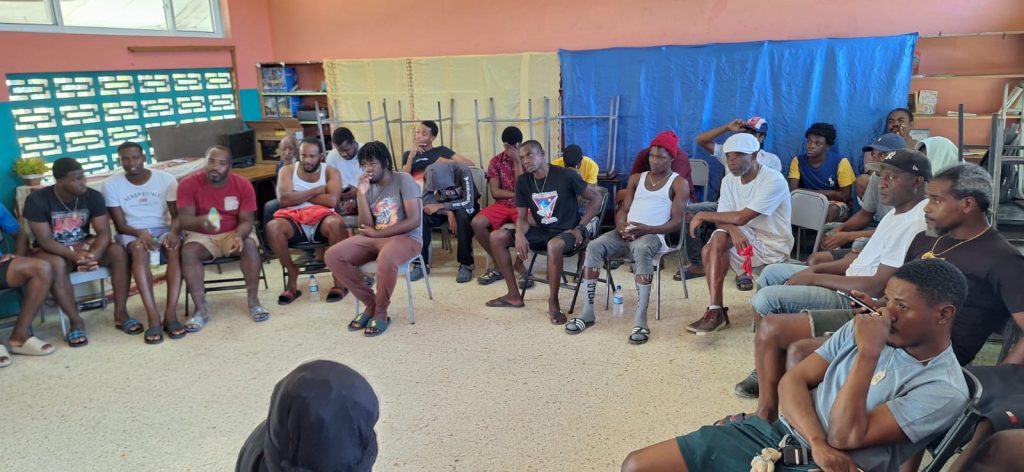
Youth participating in a community workshop. Photo: The Violence Prevention Alliance
VPA has also been engaging men and boys through its “Big Man Ting!” campaigns, launched around commemorative moments such as Valentine’s Day and Father’s Day. Built around a popular Jamaican phrase used to describe something serious and important, the campaign encourages conversations around respectful behavior, healthy relationships and gender-based violence prevention.
Through videos, testimonials, school activities and community events, the initiative highlights positive role models and creates spaces for men and boys to reflect on the role they can play in building safer communities. The campaign also uses information, education and communication materials within trainings and awareness-raising activities to help deepen understanding of gender-based violence and promote positive behavior change.
Another initiative worked with Grade 5 and Grade 6 students using storytelling, music and art to help young people express their experiences and hopes for the future.
Some of the stories shared by the children reflected deeply difficult experiences. But through creative activities, many found ways to express themselves openly.
“Some of their experiences were really traumatic,” Colleen says, “but seeing how they expressed what they hoped for was powerful.”
These moments are reminders that change often begins in small but meaningful ways.
“You see little bits of change,” she says, “and you just hope that it will continue to blossom down the road.”
How are global aid cuts affecting your work and the communities you support?
Colleen says the current funding landscape has become increasingly difficult, especially following Category 5 Hurricane Melissa, which impacted Jamaica in 2025.
“With global cuts already in place, it is challenging for many agencies,” she explains. “Now potential funders are more focused on relief and recovery.”
In the aftermath of the hurricane, VPA adapted its WE-Talk programming to include relief and recovery activities such as distributing relief packages, supporting medical screenings and providing psychosocial support within affected communities. The organization also adapted its ‘Big Man Ting!’ facilitator manual for use in disaster-affected settings, integrating trauma-informed and safeguarding approaches into community workshops.
As funding priorities shift, many community organizations are struggling to sustain long-term prevention work. Some communities are also facing increased economic pressures that make it harder to focus on programs aimed at longer-term social change.
Volunteer fatigue is also becoming a challenge because people are getting tired and want to get back to their normal lives.
What comes next for VPA?
For now, much of VPA’s focus is on addressing its own financial challenges and the viability of the organization.
By exploring new partnerships and funding opportunities, VPA remains committed to sustaining and expanding its ‘Big Man Ting!’ workshops with men and boys, as well as programs that communities continue asking for.
“We know the work can be done,” Colleen says. “We have the human resources, competencies and skills. We just need the support to continue the work for the long term.”
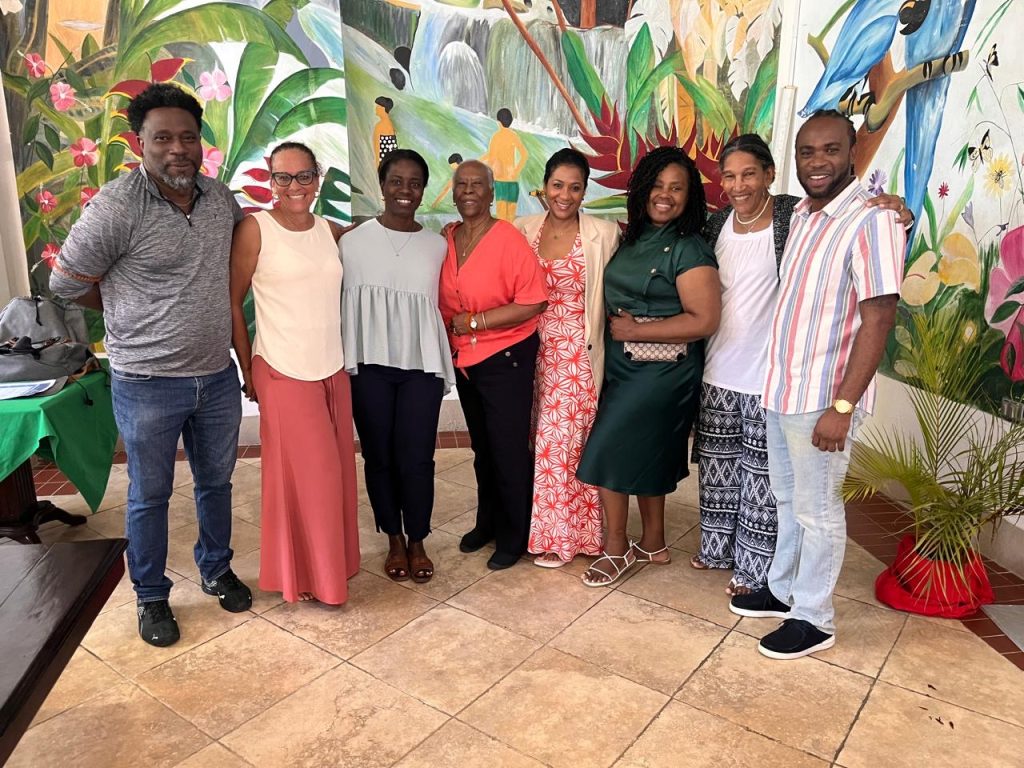
The VPA team at a retreat. Photo: The Violence Prevention Alliance
WE-Talk is a five-year initiative (2022-2027), funded by Oxfam Canada and Global Affairs Canada, that supports community-based efforts to reduce and prevent gender-based violence in Jamaica.
Discover more stories
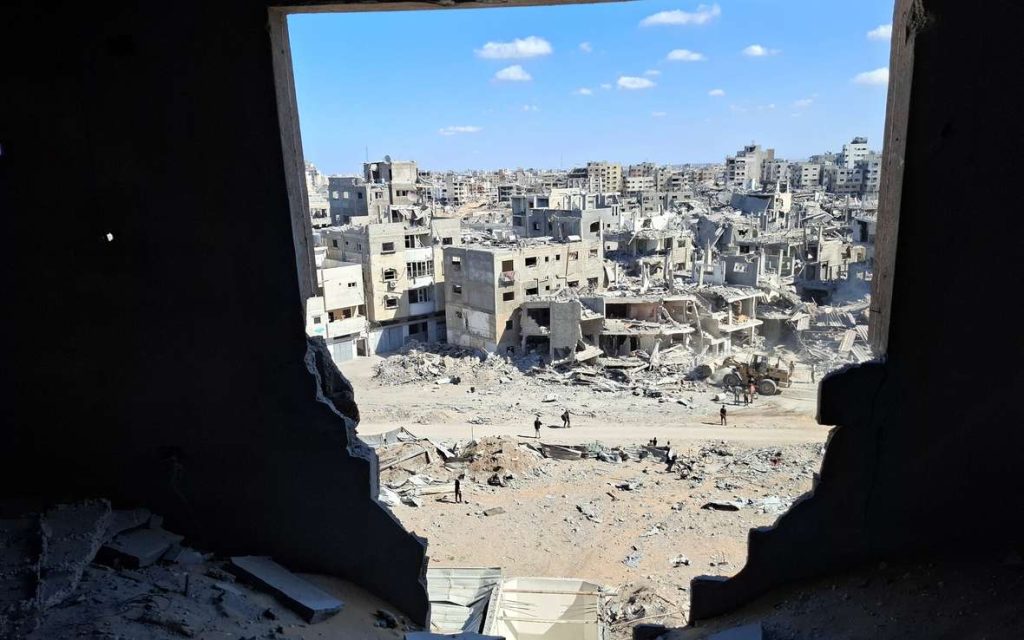
Decisions about the future of Gaza must be made by Palestinians, with respect for basic human rights and self-determination.
During a recent visit to Oxfam Pacific in Suva, Fiji, I spent the day in discussions with colleagues on the Women Power project — an initiative focused on strengthening women’s leadership and economic resilience across the Pacific.