Stronger together: Observations from a week visiting Ugandan refugee settlements
Stronger together: Observations from a week visiting Ugandan refugee settlements
"These are our guests. We take pride in welcoming them."
You might expect to hear this from an enthusiastic hotel manager. But from a government official referring to the hundreds of refugees who cross into Uganda every day? Well, that was unexpected.
Amid escalating conflicts and fears of a global economic recession, many countries are turning inward, closing their doors to people fleeing violence. Headlines claim refugees drive up rent; politicians blame them for our crumbling public services. Yet in the communities I visited in Northwest Uganda last month, welcoming refugees is a point of pride. It comes from the heart.
And it renewed my faith in humanity.
Uganda’s approach to refugees is widely regarded as one of the most progressive in the world. Its open-door policy allows people fleeing conflict to enter, work, and rebuild their lives with a degree of autonomy rarely seen elsewhere.
But the model goes far beyond official policy.
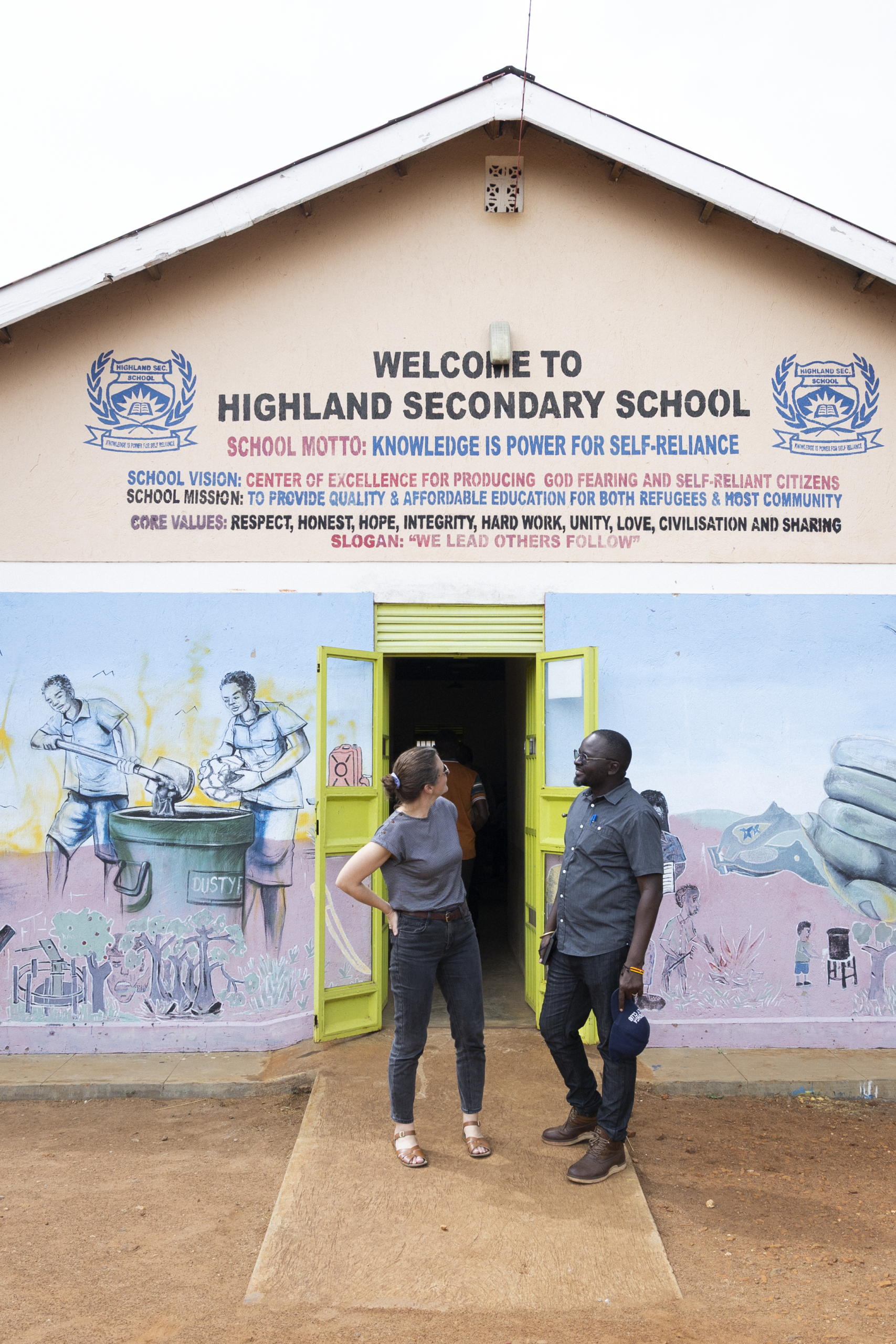
From the Bidi Bidi settlement, home to a quarter of a million refugees from South Sudan, to the Kiryandongo district that has recently welcomed 80,000 people fleeing the war in Sudan, I saw host communities greeting newcomers with open arms. I witnessed Ugandan, Sudanese, Congolese, and South Sudanese families living side by side, sending their children to the same schools, sharing struggles but also a real sense of solidarity.
In Bidi Bidi I met Rashid, an older man who was forced to seek asylum in South Sudan in the 1980s. When he returned home, he offered up his land to refugees now fleeing violence in South Sudan. This land now houses the Highland Secondary School, one of the most joyful schools I have ever entered.
This peaceful coexistence is no accident. It reflects both the generosity of local communities and a policy framework that enables refugees to live, work, and access services alongside Ugandan nationals. Over the years, a coordinated, multi-agency response has sustained essential services. Oxfam has worked in these refugee settlements for decades, providing lifesaving water and sanitation services, protection interventions, peaceful co-existence support, as well as cash transfers and livelihood supports to the most vulnerable refugee families. While always underfunded, this system has proved it works.
A combination of community solidarity and sustained investment has helped reduce tensions and support a degree of stability that is rare in large-scale displacement contexts. Crucially, services such as water, healthcare, education, and food assistance have been designed to benefit both refugees and host communities, reinforcing a sense of shared interest rather than competition.
Uganda continues to receive hundreds of new arrivals each day, and now hosts nearly two million refugees — a scale that makes this all the more remarkable.
But the model is under acute strain. Deep cuts to the global aid system, driven by draconian cuts to USAID and compounded by a broader donor pullback, are sharply reducing the capacity of humanitarian actors to deliver even basic services. Food rations are being cut, cash assistance reduced, and access to water, healthcare and education is increasingly constrained.
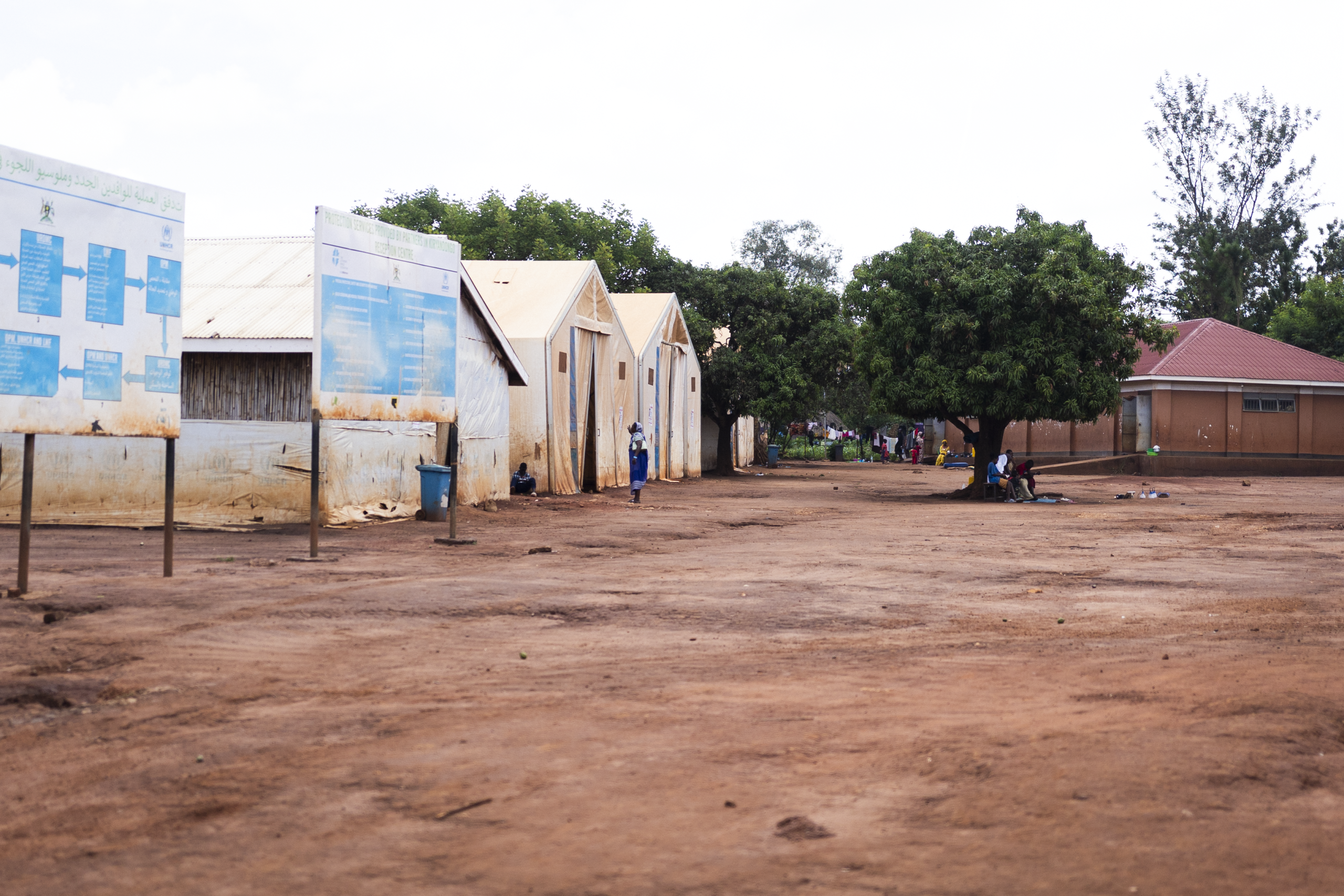
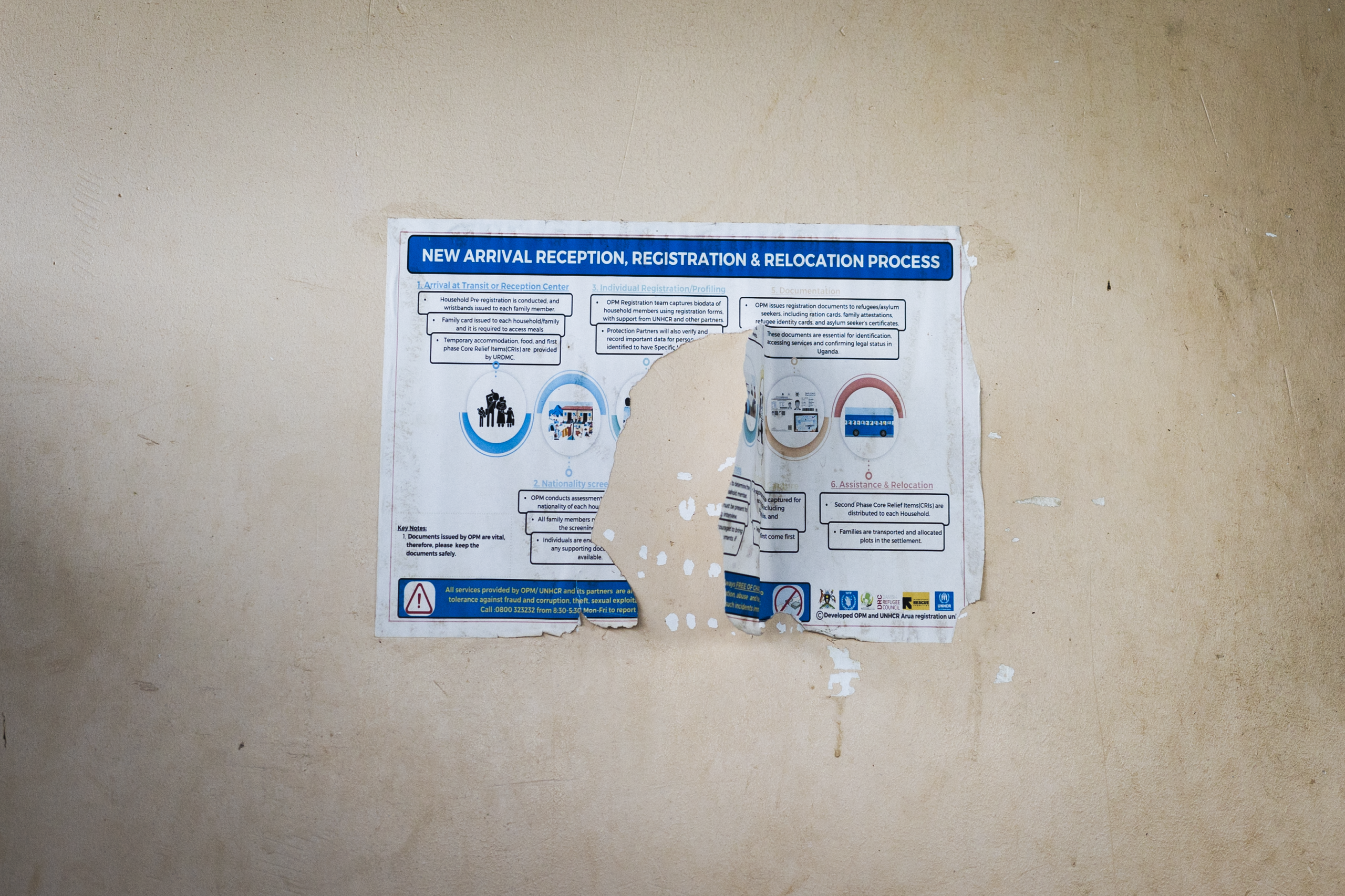
In Imvepi, a settlement that houses nearly 50,000 refugees, I walked through an eerily quiet health center – maternity wards with no crying newborns, stock rooms with no vaccines or nutritional supplements. Recent aid cuts have brought the team down from 16 to just four. Yani, the head nurse, now lives onsite, unable to bear the idea of a woman in labor arriving at night to find the center closed.
Through its Geared for Success project, Oxfam has been supporting quality education for children in the refugee settlements. I met remarkable teenage girls and boys who have taken part in the program, who spoke with confidence about their plans for the future. They told me of wanting to become doctors, nurses, journalists – not as a distant dream, but as ambition within reach.
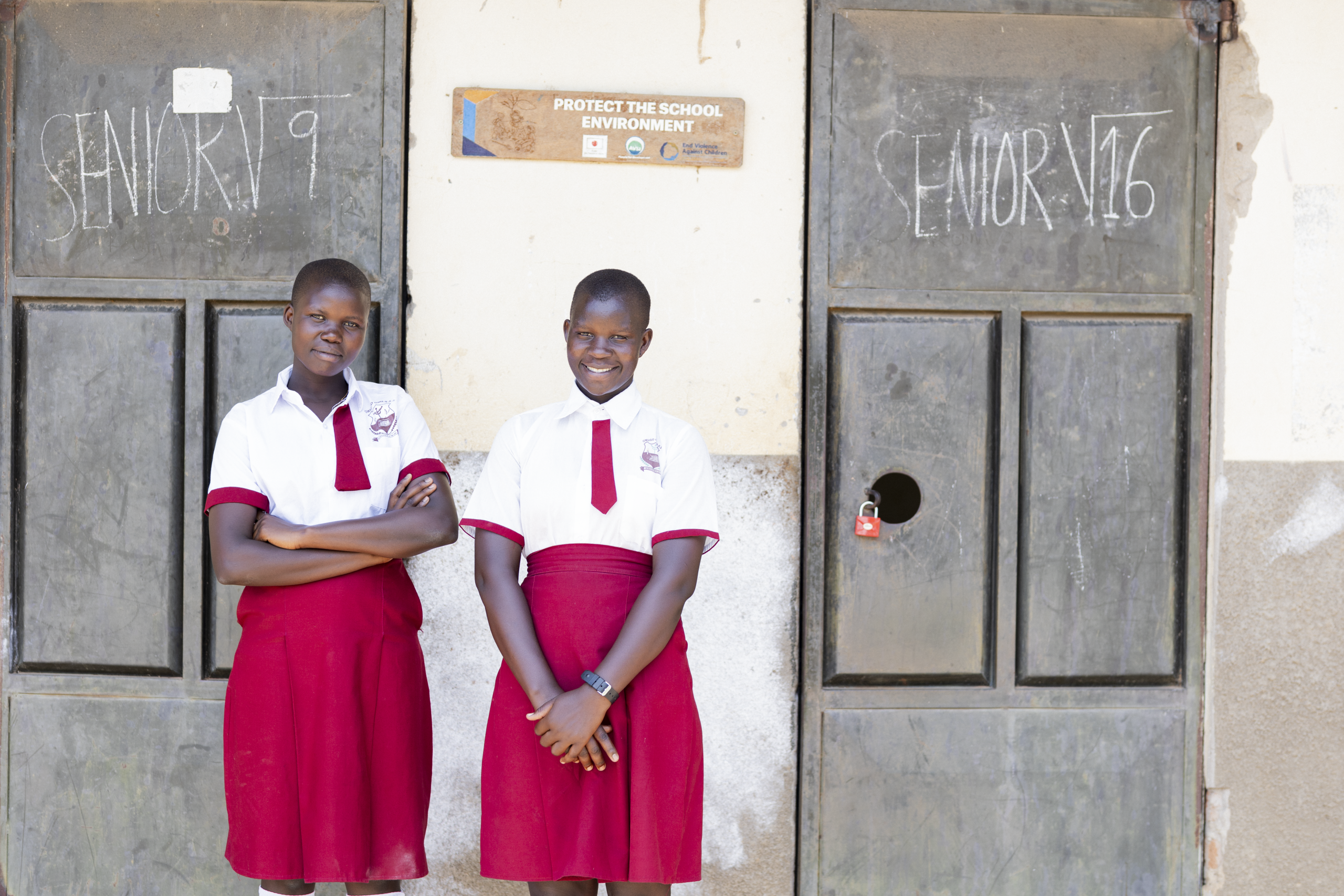
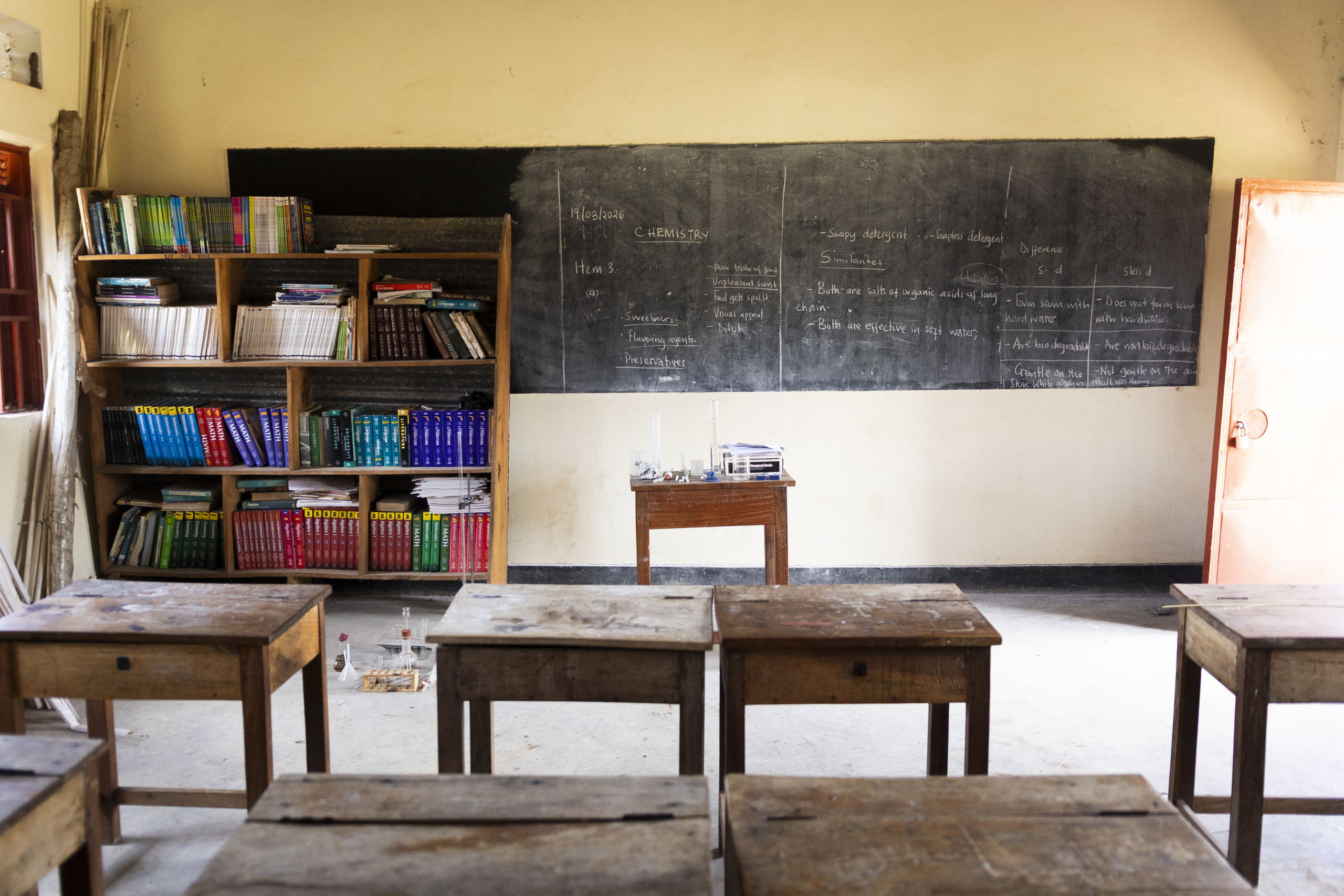
Yet at the start of this year, UNHCR stopped paying teacher salaries in refugee settlements across Uganda as donor funding abruptly dried up. Parents are now pooling meager resources to keep these schools open. Patrick, the headmaster at the Emmanuel Primary School in Imvepi, told me he would rather go without pay than abandon his students. He now has only 11 teachers for 3,000 children.
How long can this last? What will be left of these schools a year from now?
The implications go beyond immediate hardship or dashed dreams. As international support erodes, the promise of Uganda’s asylum model becomes harder to sustain. The risk is not only deepening vulnerability and humanitarian need, but a fraying of the social contract that has allowed communities to live together in relative peace.
Being in Uganda reminded me that aid cuts won’t just result in rising poverty, the spread of disease, or plummeting literacy rates. Something else is at stake: the belief that we are stronger together, that solidarity strengthens our shared humanity.
In today’s embattled world, nothing seems more worthy of protecting.
Discover more stories
On International Safe Abortion Day, we celebrate an important truth: rights only matter when people can exercise them. Around the world, progress has been made to advance sexual and reproductive health and rights (SRHR). Laws have changed, policies have evolved, and investments have expanded access to essential services. Yet for many women, girls and gender-diverse people, stigma, discrimination, lack of information, and under-resourced health systems continue to stand between rights on paper and reality.
Decisions about the future of Gaza must be made by Palestinians, with respect for basic human rights and self-determination.