Ten Years On: Reflections from a Decade of Gender Programming
When I think back on the changes that have taken place as a result of the work of Oxfam Canada and our partners, over the past decade, I feel lucky to have played even a small part in it. As we approach International Development Week this February, I have been reflecting on the results we have achieved with the support of gender justice focused funding from Global Affairs Canada as part of Canada's ground-breaking Feminist International Assistance Policy.
Between 2015 to 2025, Oxfam Canada delivered 29 short-term emergency projects in 17 countries, addressing immediate and complex humanitarian needs and completed 19 multi-year projects in 18 countries, ranging from addressing gender-based violence and gaps in reproductive and sexual services to advancing women's economic justice and promoting their leadership in climate action. All of our programs have women's leadership at their heart, and support women's organizations' capacity to advocate for their communities' rights.
increase in positive attitudes toward women's and girls' rights
rise in women reporting control over decisions affecting their wellbeing
Shifts in attitudes and decision-making power are essential to lasting change, and the repercussions will be felt for years to come.
In Canada, driving without seatbelts was once common. I remember riding unrestrained in the back of my parents' station wagon and even "practicing" seatbelt use before the law changed. Legislation, combined with public education, reshaped social norms so completely that seatbelt use is now automatic.
This same approach guides Oxfam's work.
gender-justice laws, policies, or practices influenced since 2015
research and knowledge products developed over the past decade
Grounded in evidence, our efforts pair advocacy and campaigns with long-term support to local organizations to inform real-world change.
And we have seen important changes happen. Sustained advocacy has delivered historic progress in ending child marriage. In Indonesia, after several years of advocacy, legislators passed a bill to amend the Marriage Law in September 2019, increasing the legal age of marriage for girls from 16 to 19, equal to boys. While in the Philippines, years of movement-building culminated in the passage of the Girls Not Brides law in 2021 - outlawing marriage under 18 years of age.
These legislative wins, make me think about Surata, a child bride in Mozambique, who suffered in shame for years from an obstetric fistula, until she was invited to participate in a learning session as part of Oxfam Canada's Her Future, Her Choice project. There she recognized her own symptoms and experience, and afterwards, with support from our partner NAFEZA, was able to get an urgently needed, life changing surgery.
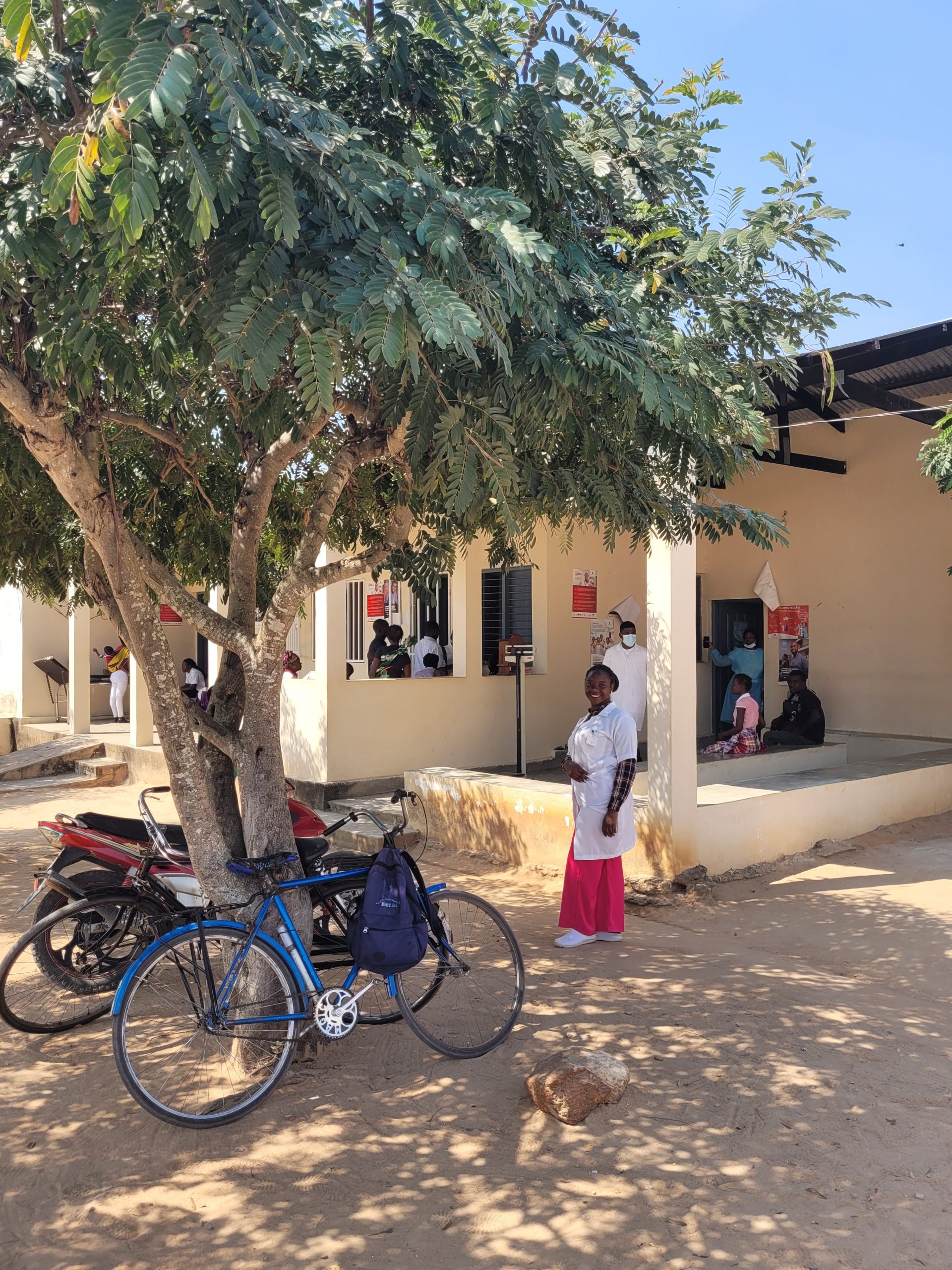
As a result of projects like Her Future, Her Choice and Sexual Health Empowerment, aiming to address women's and girls' sexual and reproductive health and rights, we have seen real results:
decrease in teenage pregnancy across Oxfam's programming area
women and girls accessed sexual and reproductive health services
- Oxfam worked to ensure health facilities had at least 3 modern contraceptives (increase from 67% of facilities to 82%) that were gender responsive (41% to 93% increase).
Gender-responsive health services recognize people's diverse and overlapping health needs, address the factors that shape them, and challenge harmful gender norms and power imbalances in how care is designed and delivered.
Following these interventions:
- 68% demonstrated a strong understanding of GBV risks, prevention, and response.
- Women's awareness of available protection structures and services rose from 33% to 81%.
- Local authorities and decision-makers took 144 concrete actions to respond more effectively to gender-based violence.
I think back to when I met Mama Amina, the Executive Director of Save Somalia Women and Children in Mogadishu. Together with Mama Amina, we met young women and girls who were receiving training on tie-dying, henna, tailoring and baking and I had a chance to sample the products they made. I was told that in Somalia, it is not uncommon for women to be the family breadwinner. All of the staff I spoke to echoed that they do this work, because they want to help others. Most of them had been doing this work for many years. Mama Amina herself spoke of being a displaced person back in 1991-92, which inspired her to create Save Somalia Women and Children to restore dignity to young girls and women helping women to gain the skills to make a living.
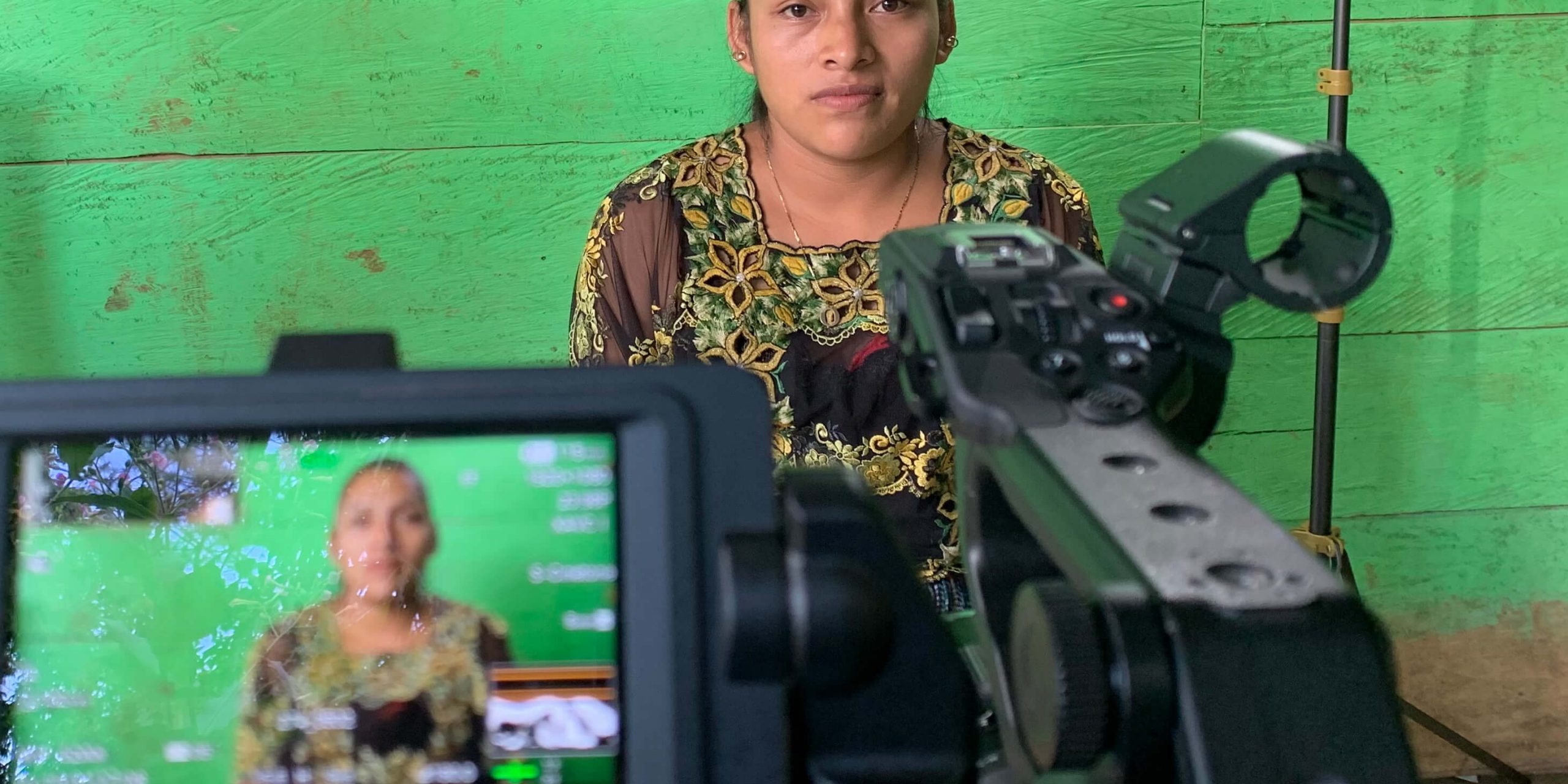
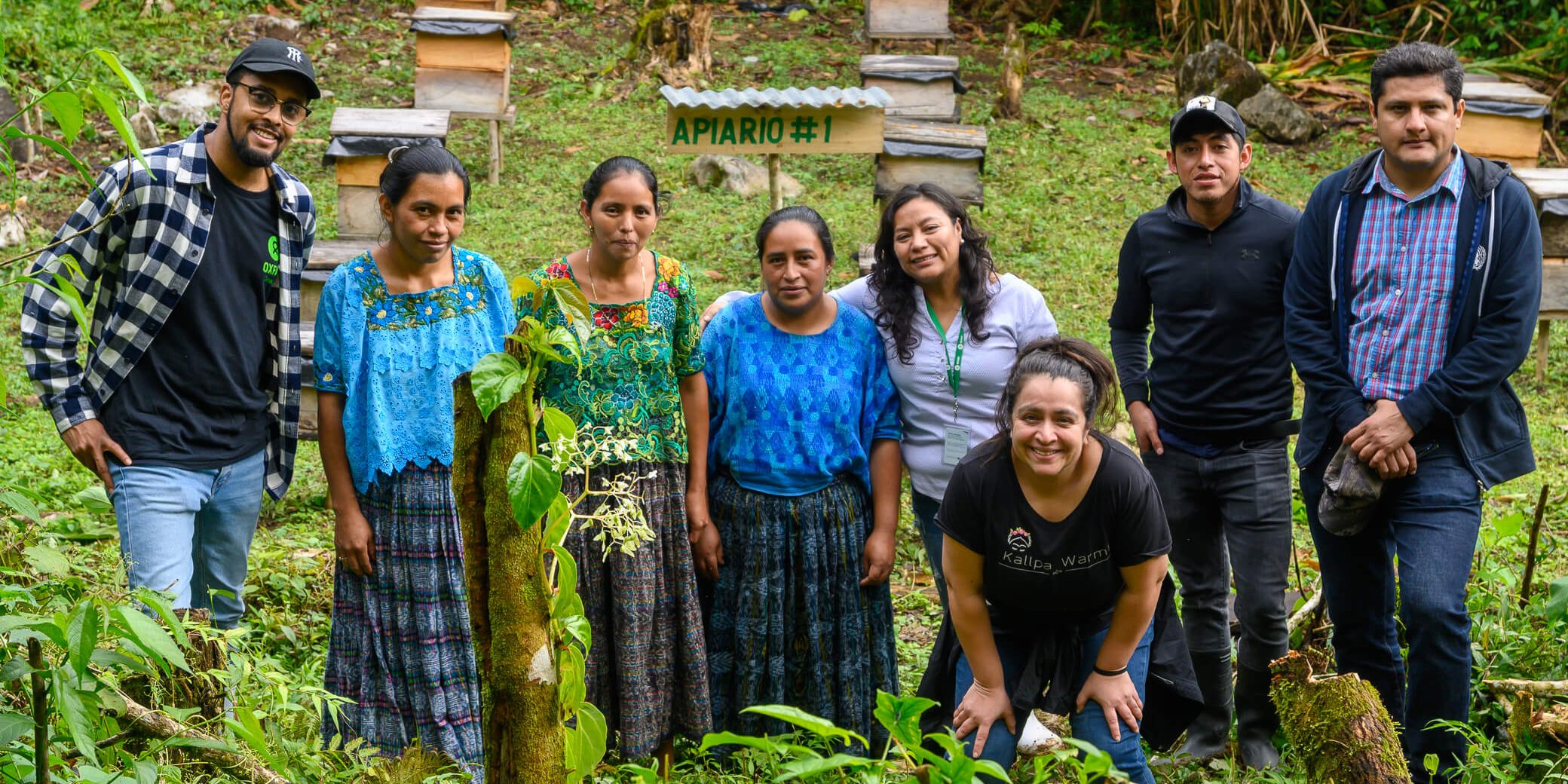
I also remember Caal, one of the many women positively impacted by Oxfam Canada's Camino Verde project in Guatemala. The training and knowledge she received from the project, allowed her to grow her earnings from cash crops and support her children in the aftermath of an abusive marriage.
Women's rights organizations and civil society actors undertook 2,438 actions to influence policies and practices, while local authorities and economic actors took 60 actions to implement policies, expand services, and increase budgets supporting women's economic participation.
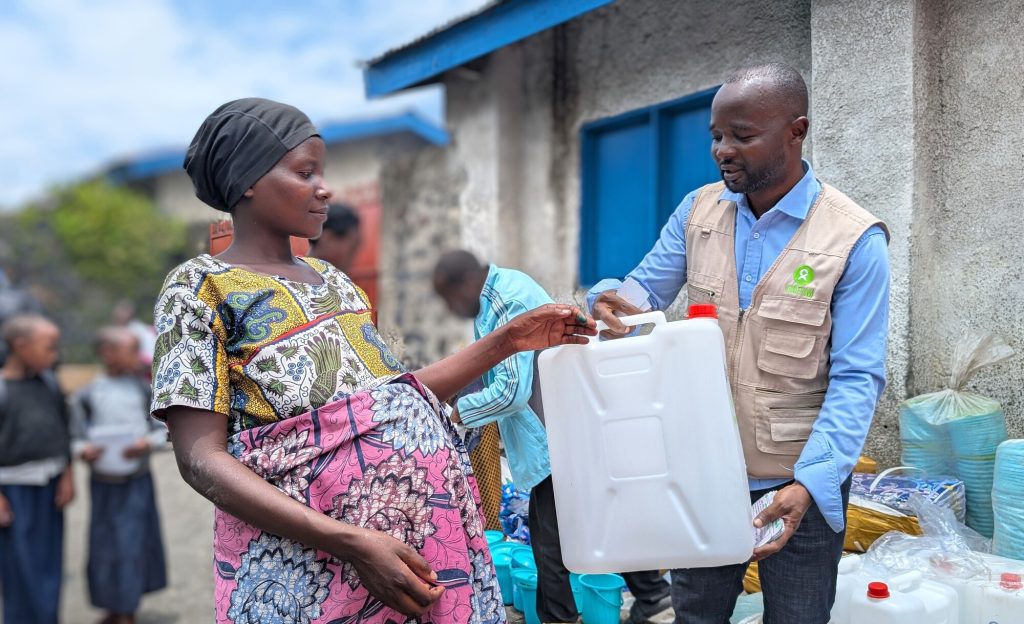
This support has included cash and livelihoods assistance, access to protection services for survivors of gender-based violence, sexual and reproductive health care, and improved access to water, sanitation, and hygiene.
During this period:
- Women's participation and leadership in humanitarian action rose from 39% to 78%, and
- More than 759,000 gender-responsive Water, Sanitation and Hygiene items were provided, including dignity and hygiene kits, clean water and hydration supplies, and the construction or repair of water points and sanitation facilities.
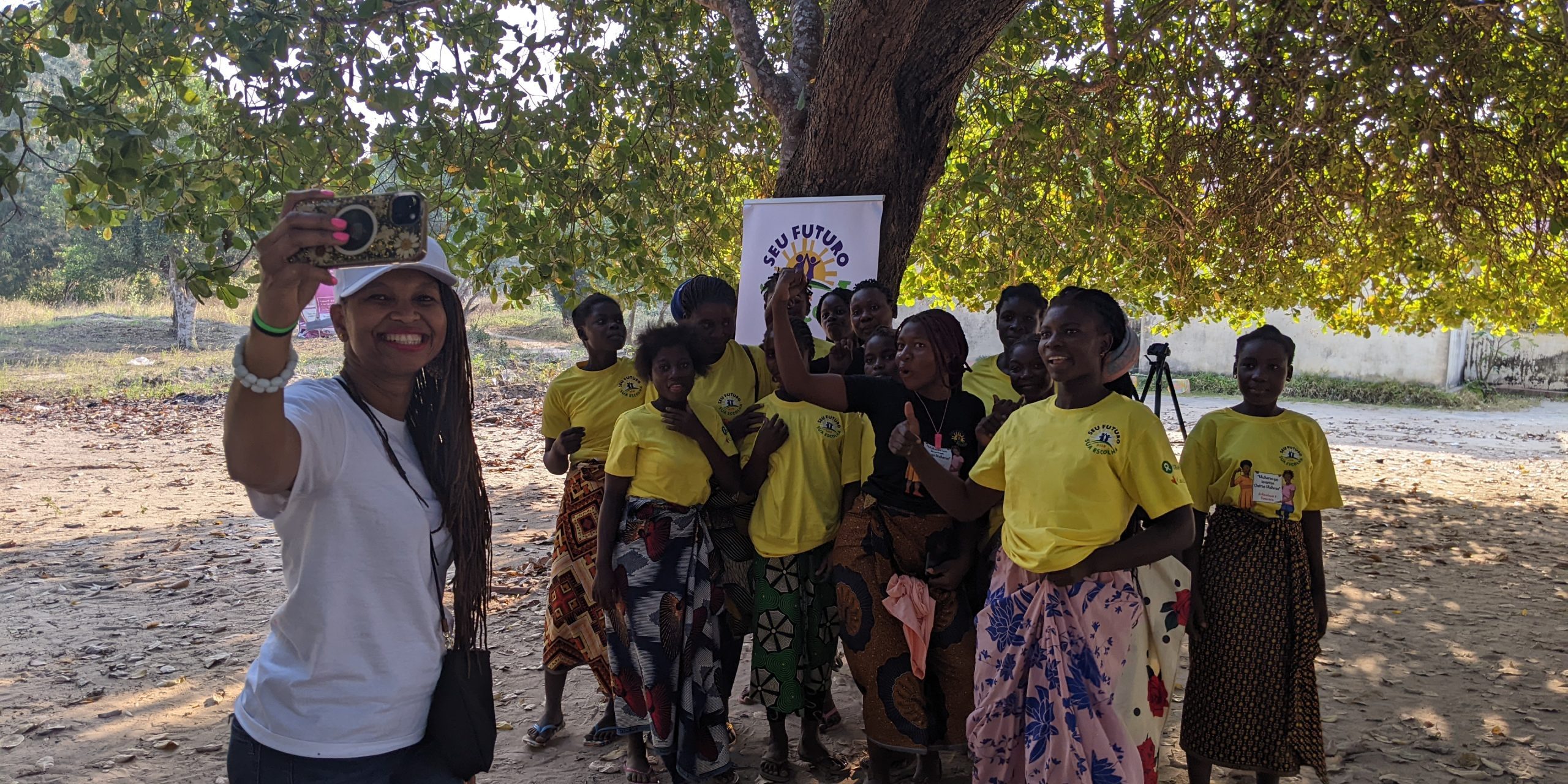
The gains of the past ten years were not inevitable. They were the result of intentional policy choices, long-term partnerships, and sustained investment in gender justice. Rolling back that investment sends a message that women's rights are optional, rather than foundational to peace, health, and prosperity.
The women I mentioned today, Surata, Caal, and Mama Amina did not need temporary solutions. They needed sustained solidarity, long-term investment, and the political courage to put gender equality at the centre of our response to poverty, conflict, and crisis. When that support is there, the results speak for themselves.
As we mark International Development Week, we have an opportunity and a responsibility to reaffirm Canada's commitment to feminist international assistance. The evidence is in front of us. The impact is undeniable. What comes next will depend on whether we choose to protect and expand what we know delivers lasting change.
Discover more stories
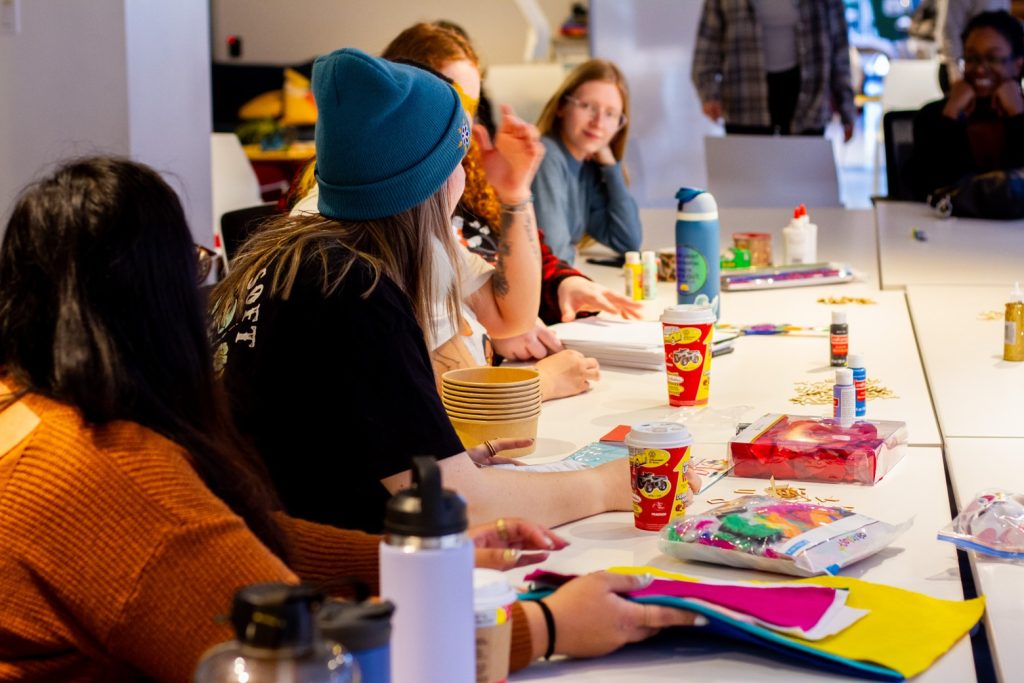
The Stand Up program aims to raise awareness about sexual and reproductive health and rights across Canada by supporting community-based public engagement initiatives spearheaded by youth (aged 18 to 29) and women's rights or youth-led organizations.
For World Humanitarian Day, we're spotlighting some of the world's largest displacement crises. From Sudan and South Sudan to Bangladesh, Uganda, Syria, and Lebanon, millions of people have been forced to flee their homes while the communities hosting them face growing pressure on resources and essential services. These are not the only humanitarian emergencies Oxfam is responding to, but they show why sustained humanitarian action remains so important.