Humanitarian Assistance
When disaster strikes, women are hit the hardest

Every year, millions of people are displaced from their homes. Almost half are women.
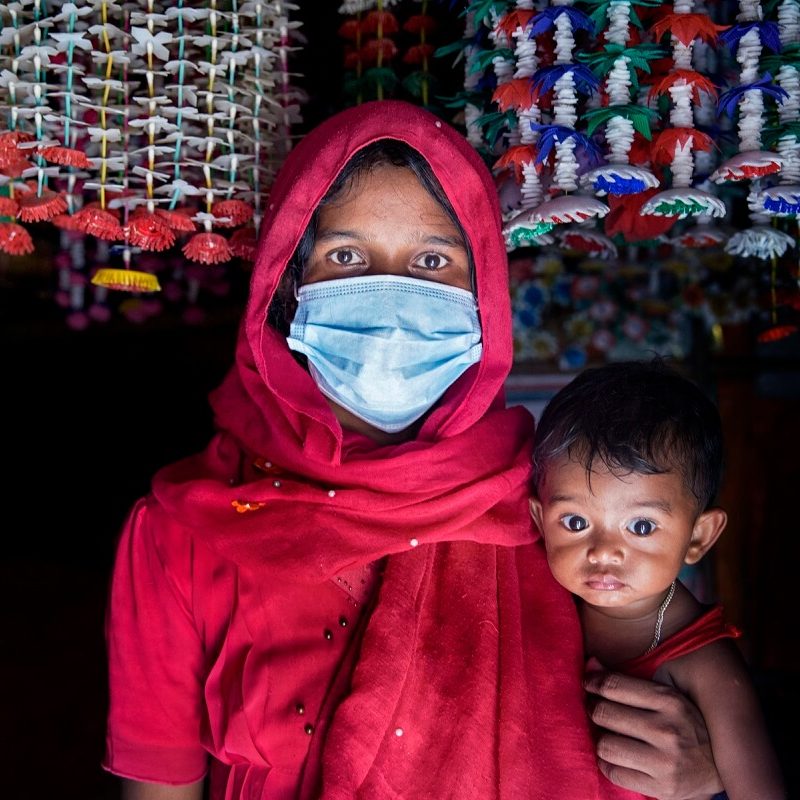
Disasters like tsunamis, earthquakes and droughts, as well as conflict, wars and the current global pandemic, put millions in urgent need of clean water, soap, food and shelter. The crises caused by these events also threaten women's safety and health in unique ways.
During emergencies, women are often left out of critical decisions that affect them, like how food, water, hygiene kits and medicine are distributed, and even where to build the toilets. It's time to change that. Oxfam meets urgent needs to save lives as part of our emergency response, but we also look at long-term solutions for women's livelihoods, health, safety and leadership.
What is Oxfam Doing?
We work with local partners to listen to and meet the unique needs of women and girls.
Women-Led Design
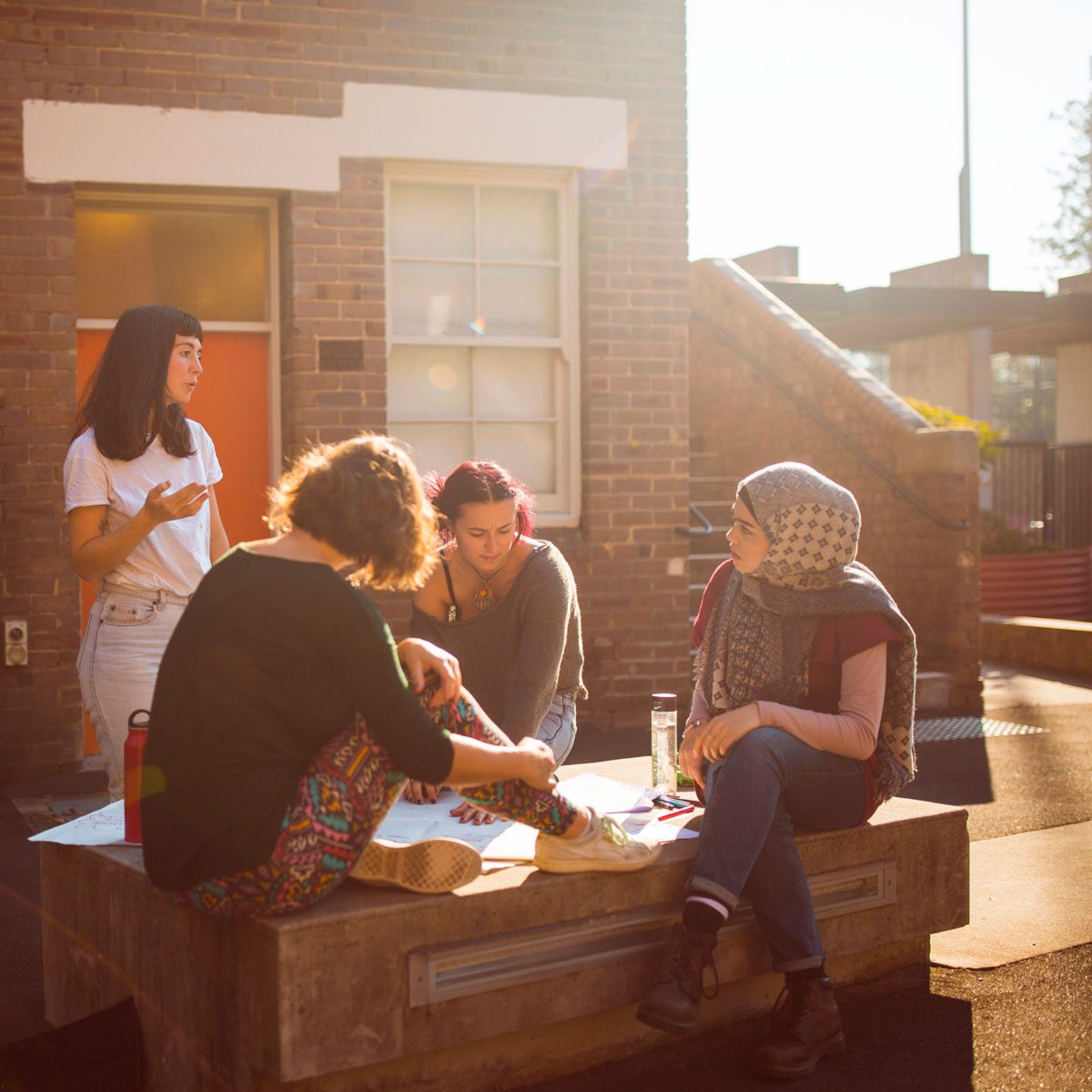
Oxfam and our partners design programs for women, in consultation with women and women's rights organizations.
Power
We break down the barriers that stand in the way of women having power over their lives and decisions in times of crisis.
Local Knowledge
We consult with local humanitarians and the people receiving aid to tell us what is needed to rebuild effectively in the long-term.
IMPACT IN ACTION
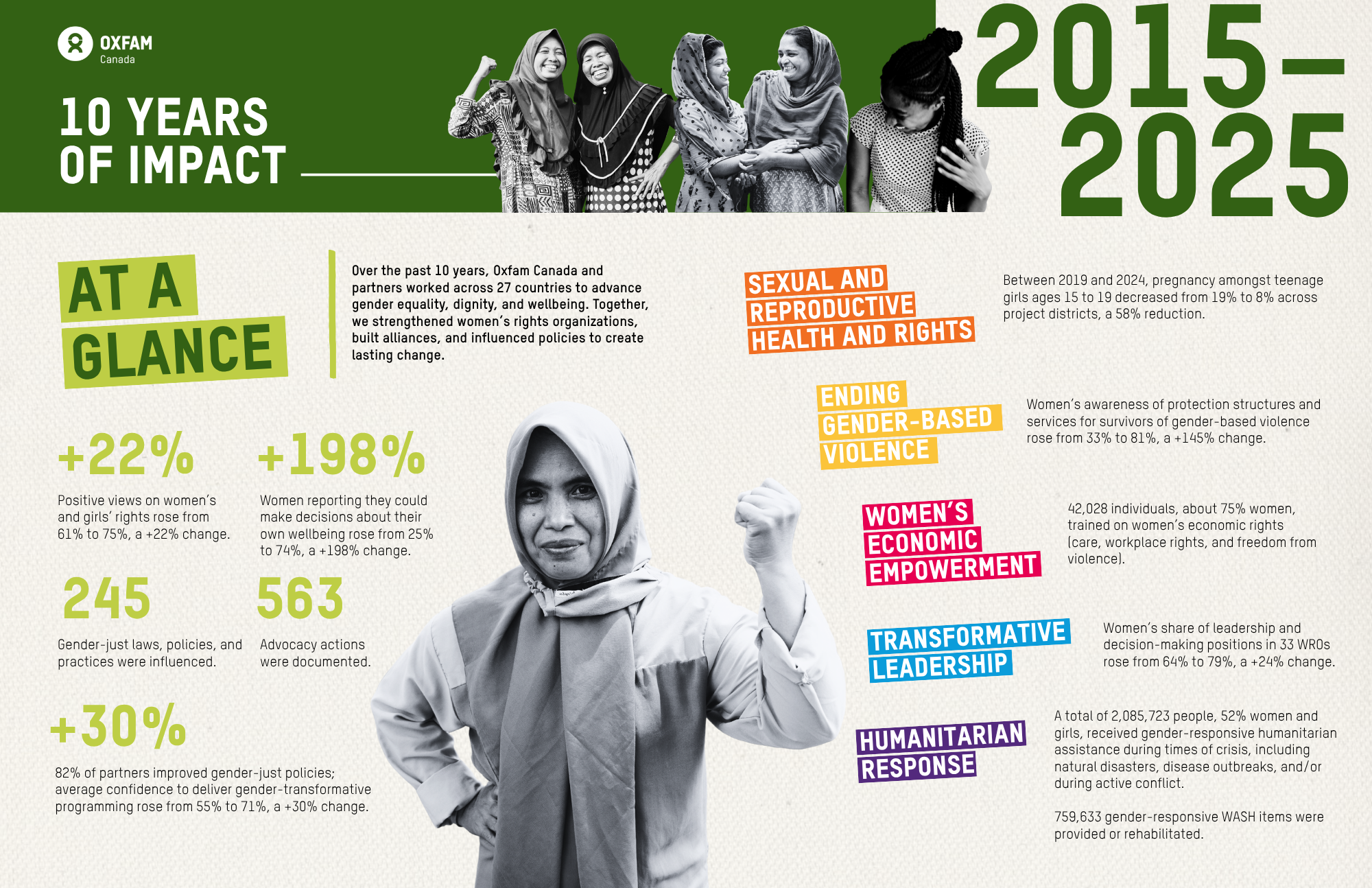
Between 2015 and 2025, a total of 2,085,723 people, approximately 52% women and girls, received gender-responsive humanitarian assistance during times of crisis, including natural disasters, disease outbreaks and/or during active conflict.
This includes a combination of cash and livelihoods support, access to GBV protection and sexual and reproductive health services, and improved access to water, sanitation, and hygiene (WASH).
In Ethiopia, after drought and conflict disrupted her family’s farming livelihood, targeted support helped a woman rebuild through emergency cash, participation in a women’s savings and loans group, and training in economic and financial management. By expanding into poultry and livestock raising, she increased her household income, food security, and nutrition, preserved her family’s land, and prevented her husband from migrating in search of work. Access to mobile prenatal services and health education also improved maternal and infant health.
Between 2015 and 2025, 759,633 gender-responsive WASH items were provided or rehabilitated.
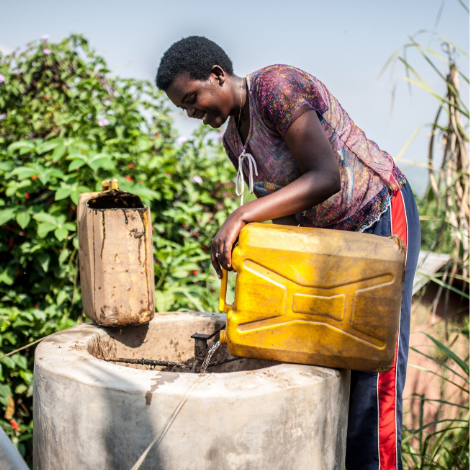
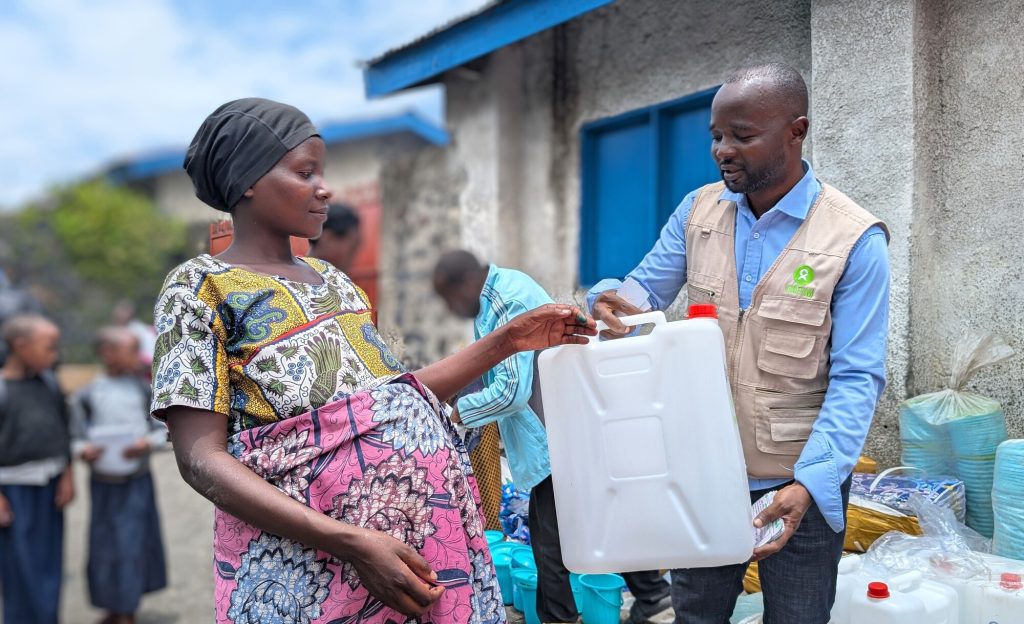
This includes dignity and/or hygiene kits with essential items (e.g. soap, menstrual pads, underwear, toothpaste), hydration and clean water kits; construction and/or rehabilitation of water points/sources, rainwater harvest systems, and latrines.
In South Sudan, daily access to safe water rose by 10 litres per person - surpassing minimum standards - and time spent collecting water was significantly reduced. Communities enjoyed a major increase in functional toilets following repairs and rehabilitation to 952 household and institutional latrines. Hygiene practices also improved substantially, with near-universal handwashing reported and a marked shift toward using soap rather than water alone.
Related Stories and Features
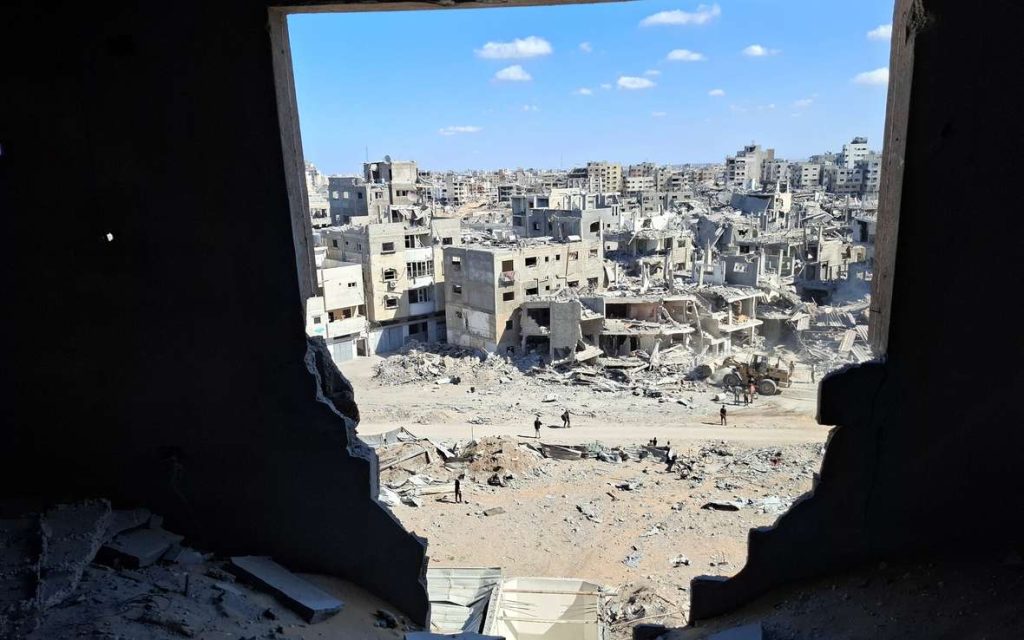
Decisions about the future of Gaza must be made by Palestinians, with respect for basic human rights and self-determination.
For World Humanitarian Day, we're spotlighting some of the world's largest displacement crises. From Sudan and South Sudan to Bangladesh, Uganda, Syria, and Lebanon, millions of people have been forced to flee their homes while the communities hosting them face growing pressure on resources and essential services. These are not the only humanitarian emergencies Oxfam is responding to, but they show why sustained humanitarian action remains so important.
Three Steps You Can Take Now