Lebanon Needs More Than Aid: Canada Must Act to Protect Civilians and Uphold International Law
Lebanon Needs More Than Aid: Canada Must Act to Protect Civilians and Uphold International Law
Canada's response to the crisis in Lebanon cannot stop at humanitarian assistance. While aid is urgently needed to save lives, there's a further need to address a crisis driven by ongoing violence, attacks on civilian infrastructure, and a failure to uphold international humanitarian law.
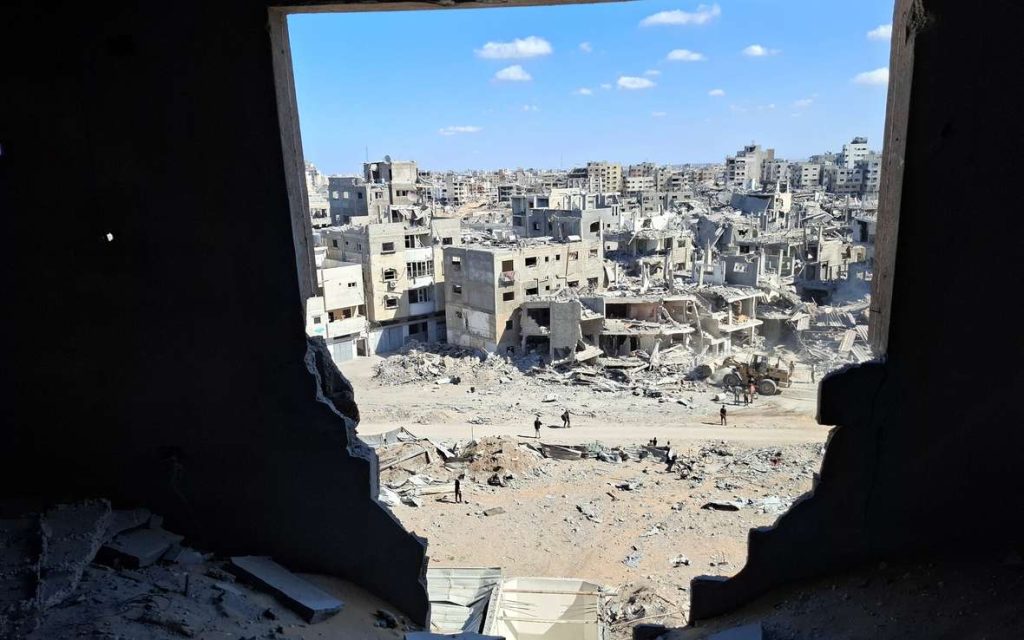
Across Lebanon, communities are facing large-scale displacement, constant bombardment, and the systematic destruction of essential services. Of particular concern is the growing evidence that water and sanitation infrastructure—indispensable for civilian survival—is being damaged or destroyed, deepening an already dire humanitarian situation.
As we witness this unfolding crisis, our thoughts are with Oxfam colleagues in Lebanon, our local partners, and their families and communities who are enduring relentless violence and uncertainty. We also stand in solidarity with the Lebanese diaspora in Canada, who are watching in anguish as their loved ones survive yet another Israeli invasion of their land.
The Gaza Playbook in Lebanon
Fears are rising that Israel's military blueprint of attacking water infrastructure, used throughout its genocide in Gaza, is now being rolled out across parts of Lebanon. Since early March, Israel has attacked civilian infrastructure, resulting in 1,142 Lebanese people killed and 3,315 more injured, including many children. More than a million people—nearly one in five residents of the country—are displaced. Entire communities have been forced to flee, often with little warning, while Lebanon's already overstretched public services are pushed to breaking point.
Water and sanitation systems have not been spared. Oxfam analysis shows that repeated attacks have damaged or destroyed water infrastructure, including facilities that had only recently been rehabilitated following previous conflicts. In its policy brief, Water Under Fire: Supporting Lebanon's Water Services Amid Escalating Conflict, Oxfam documented that access has been lost to at least 19 water facilities in southern Lebanon alone due to the intensity of attacks, putting months of recovery efforts and long-term water security at serious risk.
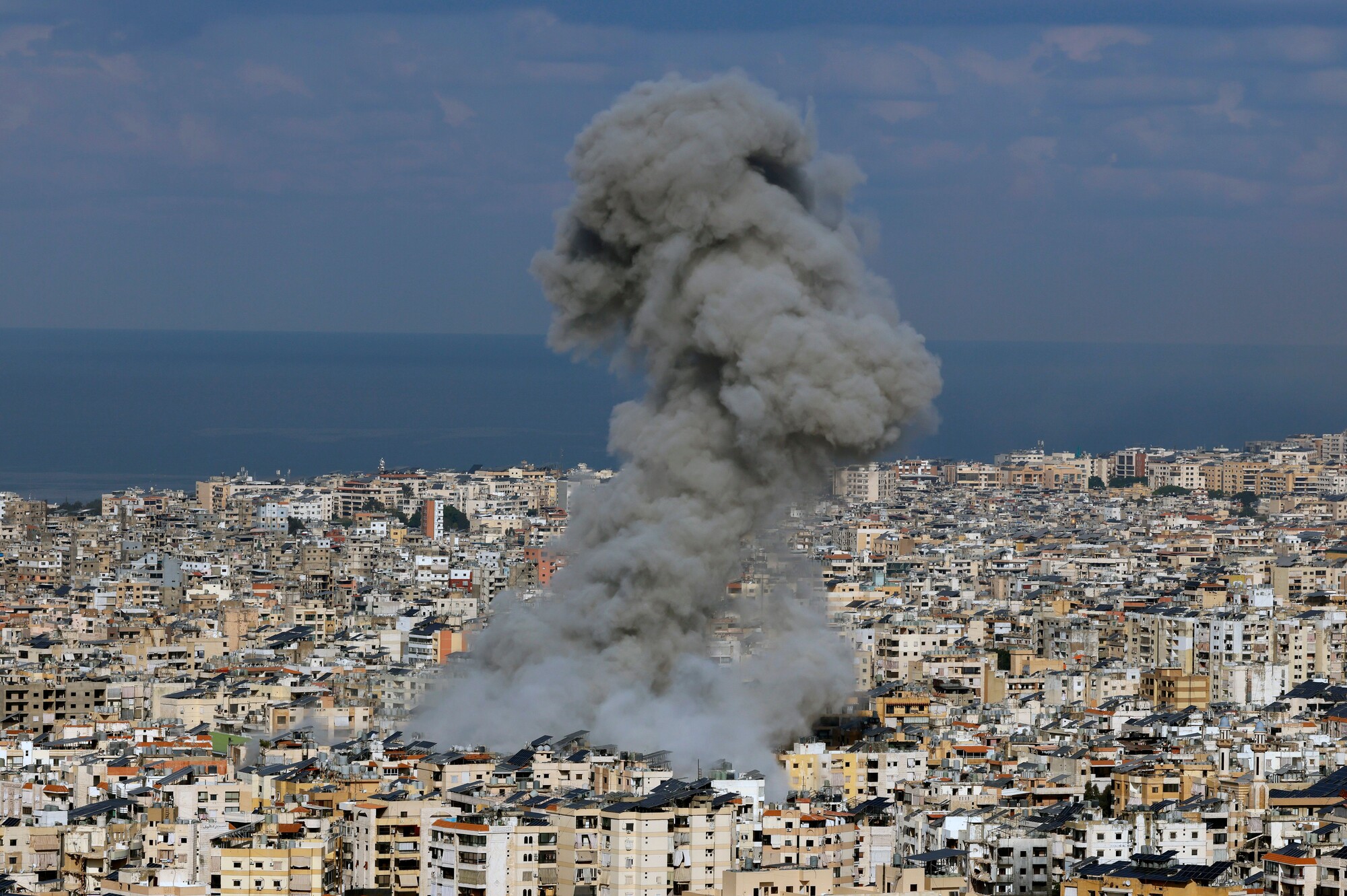
Smoke billows following an Israeli airstrike on Dahieh, in the south of Beirut, Lebanon. Photo: Wael Hamzeh/EPA/Shutterstock
Humanitarian organizations, including Oxfam and partners in Lebanon, are working tirelessly to respond, providing emergency water trucking, hygiene kits, and essential supplies as displacement rises. But emergency aid alone cannot keep pace with the scale of destruction, nor can it substitute for political action to end the violence.
Donor Support Is Saving Lives Right Now
It is critical to recognize the tangible impact of solidarity from people across Canada. Thanks to the generosity of Oxfam donors, vital assistance is reaching families who have lost homes, livelihoods, and access to basic services.
Donor contributions are helping address the urgent needs of internally displaced populations, particularly those living in collective shelters and host communities in Mount Lebanon, Beirut, and North Lebanon. This support enables Oxfam to deliver an integrated response that brings together water, sanitation, and hygiene (WASH) services; multipurpose cash assistance; and protection programming, including prevention and response to sexual and gender-based violence (SGBV).
By combining these interventions, donor support is not only helping families meet immediate needs such as clean water, food, and shelter, it is also helping mitigate rising protection risks linked to displacement, exploitation, and limited access to services, especially for women and girls.
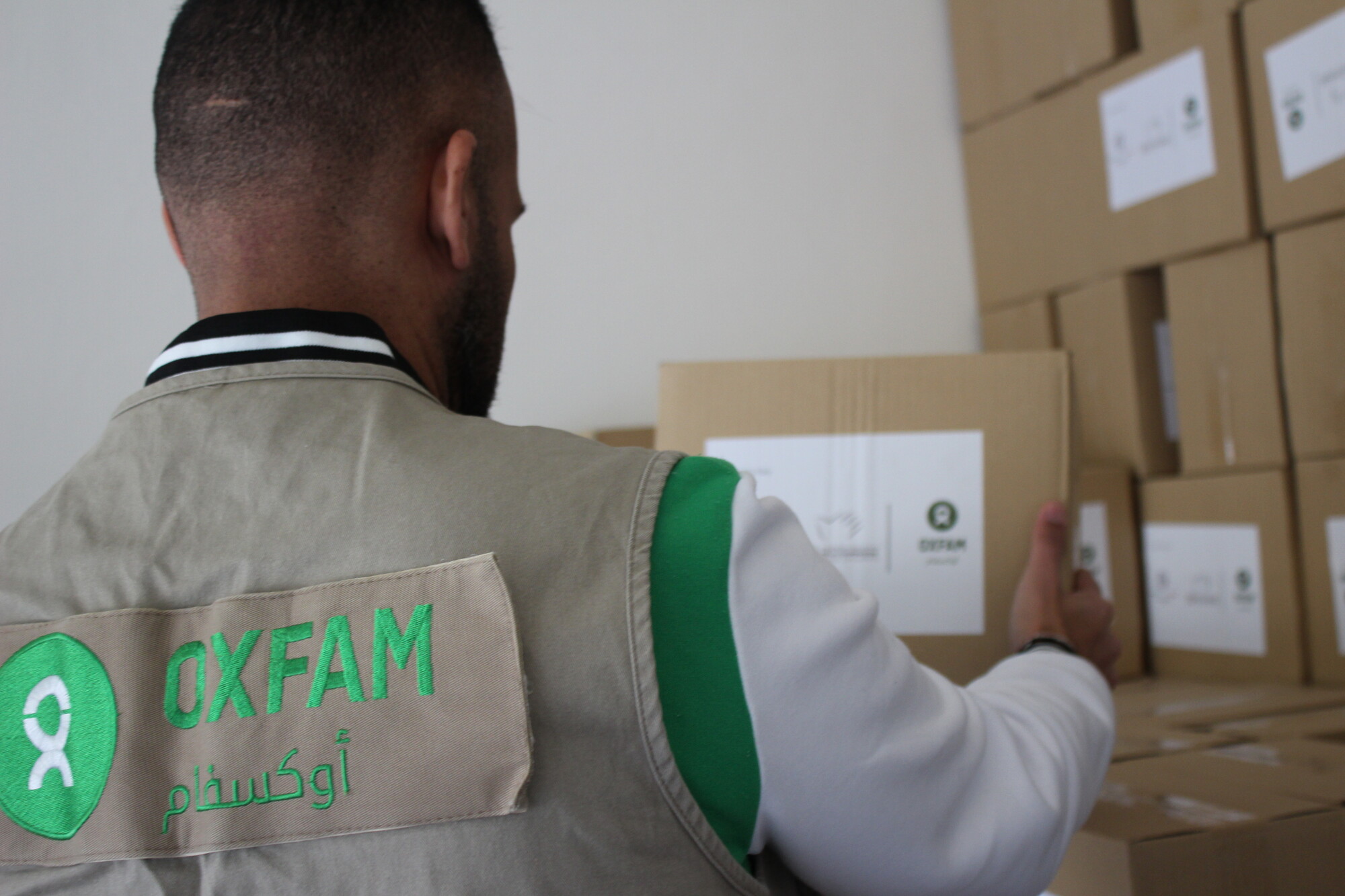
Oxfam staff in the south of Beirut distributing hygiene kits and menstrual health management kits to people who have been displaced by the escalating conflict. A hygiene kit includes shampoo, soap, toothpaste for adults, toilet paper, floor mop, laundry powder, sponge, dishwashing liquid, tissue paper, sanitary pads, children toothpaste, detergent and garbage bags. Photo: Ghiwa AbiHaidar/Oxfam
This impact is strengthened by Oxfam's long-standing presence in Lebanon. Oxfam has worked in the country since 1993, with a head office in Beirut and sub-offices in Tripoli, Zahle, and Rmayleh in the south, allowing for nationwide coverage and rapid mobilization in times of crisis.
Oxfam is recognized in Lebanon for its strong track record in emergency WASH, multi-purpose cash assistance, food security and livelihoods, and protection work, delivered with high technical standards, strong community engagement, and effective coordination with national and international actors. Donor support is what makes this lifesaving work possible.
Standing With the People of Lebanon
We at Oxfam and our supporters are doing everything possible to save lives, protect dignity, and support communities through this crisis. But humanitarian action must be matched by political courage. The people of Lebanon deserve protection, accountability, and an international community—including Canada—that is willing to do more than just manage their suffering.
Canada must use its diplomatic influence to push for an immediate and sustained ceasefire. Without a sustained ceasefire, civilians will continue to bear the brunt of violence, and humanitarian needs will only continue to grow.
Canada must suspend the Canada-Israel Free Trade Agreement. Trade, investment, and cooperation with Israel sustain the very infrastructure of genocide and occupation of both Palestine and Lebanon.
Canada must take legislative measures that would stop the flow of weapons from Canada to Israel, including ensuring that Canadian-made military goods are not used in ways that contribute to violations of international humanitarian law, in line with Canada's obligations under the Arms Trade Treaty.
Canada must champion accountability. Alleged attacks on civilian infrastructure, obstruction of humanitarian access, and harm to aid workers and medical personnel must be independently investigated. Canada should actively support international accountability mechanisms and oppose impunity for violations of international law.
Bachir Ayoub, Oxfam Lebanon Country Director, has warned:
"It's clear that Israeli forces are repeating the same pattern in Lebanon as they did in Gaza—attacking civilians, critical civilian infrastructure, emergency responders, and aid workers. Civilians are once again paying the price for the international community's failure to ensure accountability."
— Bachir Ayoub, Oxfam Lebanon Country Director
As the invasion continues and conditions deteriorate for millions of people who have already endured far too much, Canada must choose whether it will simply respond to the consequences of violence—or work to prevent it.
Oxfam stands with our colleagues, partners, and communities in Lebanon. We call on Canada to do the same and thank all those supporters in Canada whose generosity and solidarity are making a real difference.
Discover more stories
On International Safe Abortion Day, we celebrate an important truth: rights only matter when people can exercise them. Around the world, progress has been made to advance sexual and reproductive health and rights (SRHR). Laws have changed, policies have evolved, and investments have expanded access to essential services. Yet for many women, girls and gender-diverse people, stigma, discrimination, lack of information, and under-resourced health systems continue to stand between rights on paper and reality.
Decisions about the future of Gaza must be made by Palestinians, with respect for basic human rights and self-determination.