5 Things About (Super) El Niño You Probably Didn’t Know
5 Things About (Super) El Niño You Probably Didn’t Know
El Niño is hanging over the world like a dark cloud, both literally and figuratively. Experts are even warning that this could be the strongest El Niño on record. But what exactly does that mean? Who will be most affected? And is there anything we can do about it?
1. El Niño isn't a disaster, but it does cause disasters
El Niño is a natural climate phenomenon in which ocean waters in part of the Pacific Ocean become warmer. It occurs every few years and has a major impact on weather patterns thousands of kilometres away. Some countries experience much more rainfall than usual, while others face extreme drought.
The impact of El Niño varies depending on the location, season and year. But one thing is certain: millions of people will feel its effects. Experts are warning of a super El Niño, with its intensity likely to peak between October 2026 and April 2027.
Did you know?
The name El Niño means “the child” in Spanish, a reference to the Christ child, as the phenomenon often peaks around December.
2. Climate change is making the impacts worse
El Niño is a natural phenomenon, but climate change is making its impacts more severe. The oceans are already significantly warmer than normal. As a result, even more heat is released into the atmosphere during an El Niño event.
The consequences of a super El Niño? Heavier rainfall in some regions, longer periods of drought in others, and more extreme heatwaves.
What once might have been a difficult period for communities can now turn into a full-blown disaster.
Wealthier countries have more financial resources to prepare for and respond to extreme weather events, including building flood defenses and resilient infrastructure. Yet it is often the countries and communities with the fewest resources that bear the brunt of the impacts, sometimes with deadly consequences.
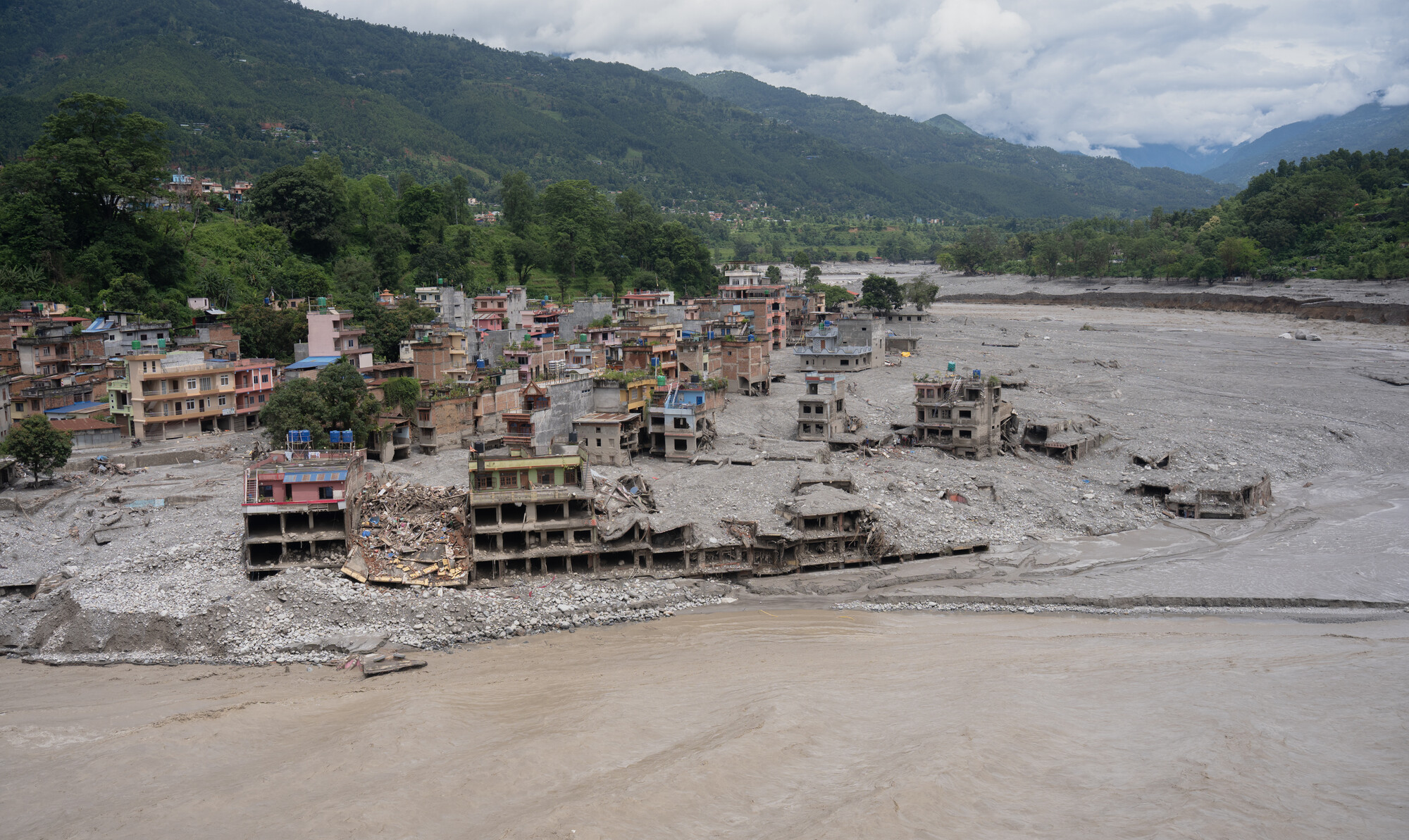
Houses damaged in Trishuli Bazaar, Nuwakot, Nepal, by the catastrophic flash flood on August 26 this year. Photo: Sharada Bashyal / Oxfam
3. Who is most affected by El Niño?
The impacts of El Niño extend far beyond the Pacific Ocean, where the phenomenon originates.
In many countries across Africa, Asia and Latin America, farmers are watching their crops fail because of drought. Families are losing their homes to floods. Drinking water is becoming scarce, and food prices are rising.
In eastern and southern Africa, 62 million people are facing worsening food insecurity due to flooding and drought. Across Asia and the Pacific, millions of people are already being affected by a lack of rainfall. In Latin America, an additional 16 million people are expected to experience food insecurity in the coming months.
The consequences extend beyond the communities directly affected. Extreme weather and failed harvests can disrupt global food supply chains and drive up food prices.
What we only see in disaster movies is, unfortunately, the reality for millions of people.
4. The impact of a disaster is ultimately a political choice
El Niño is unfolding. That's a fact. But the scale of the disasters that follow? That is partly determined by political choices.
For years, too little has been invested in tackling climate change. Far too little funding is being provided to vulnerable countries to help them adapt to its impacts. Yet the people who have contributed the least to the climate crisis are often the ones paying the highest price.
Despite the scale of the threat posed by El Niño, global humanitarian funding for preparedness and response remains critically insufficient.
Canada and other wealthy countries must urgently increase humanitarian funding, invest in climate adaptation, support locally led responses and help communities strengthen their food and water security.
That's why we're advocating not only for emergency humanitarian assistance when disaster strikes, but also for fair climate financing and decisive action to tackle the climate crisis.
There's a term for this: climate justice.
Because while we can't prevent El Niño, millions of people losing everything as a result is not inevitable.
It's not a law of nature. It's a political choice.
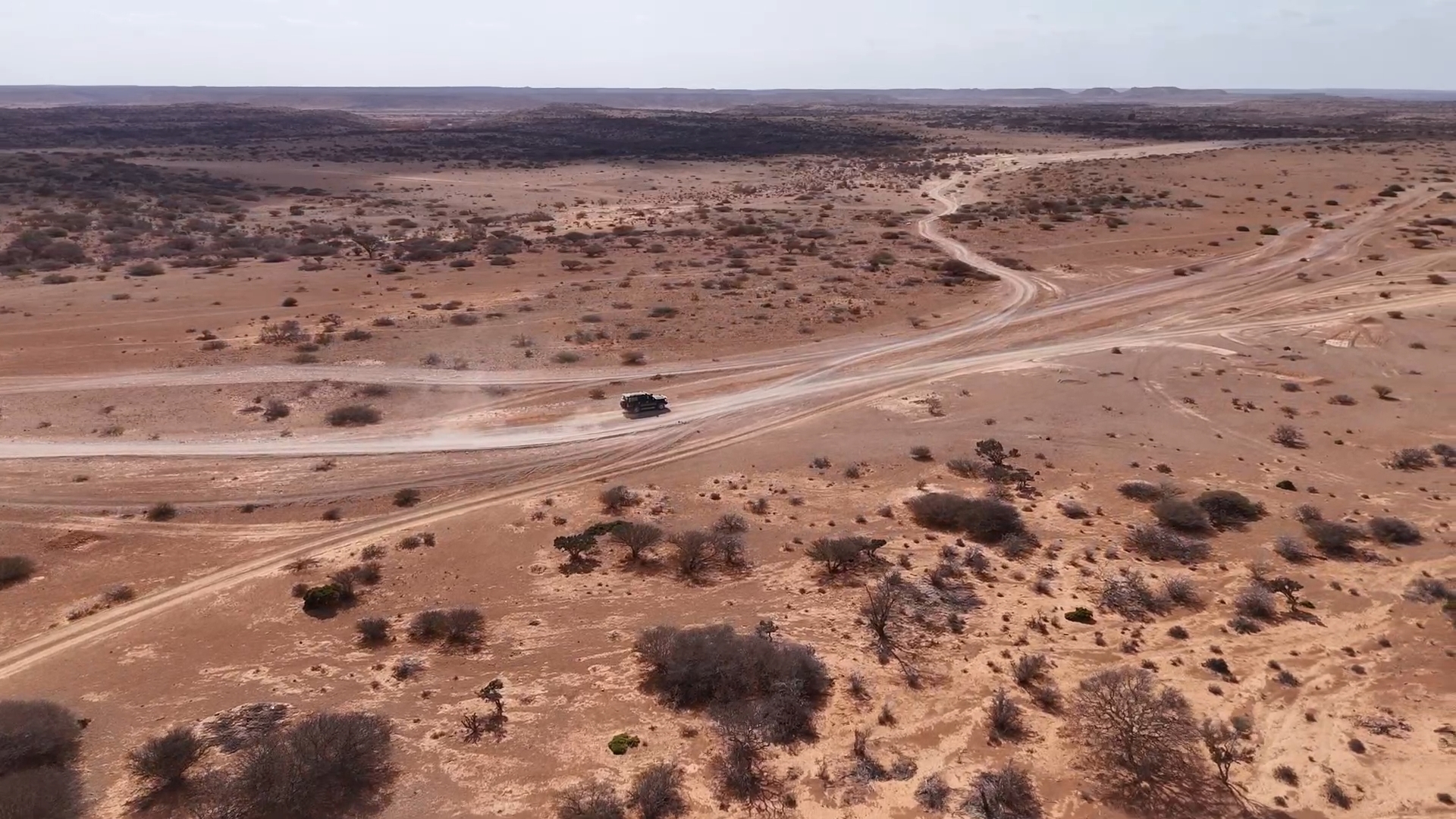
In this area of Somalia, roads cut through land where the effects of drought are visible in every direction. Photo: Oxfam
5. We often know months in advance what's coming
Unlike an earthquake, El Niño doesn't come out of nowhere.
Scientists can often see it coming months in advance and anticipate many of its impacts. This gives us both an opportunity and a responsibility to act before disaster strikes.
Together with our partner organizations, we build up food reserves, repair wells and water pipelines, provide farmers with training and resources to adapt to climate change, such as drought-resistant seeds, and raise awareness in local communities.
This preparedness work saves lives and is often less expensive than intervening after a disaster has already begun.
We work in more than 70 countries worldwide. In each country, we carry out assessments and evaluate risks, always in collaboration with our local partners and colleagues who know the situation well.
This helps us prepare for emergencies and respond quickly when disaster strikes.
Your support is crucial to making this possible.
Help us support communities to prepare for and respond to disasters. Donate today.
Sources and acknowledgement
Adapted from 5 Things About (Super) El Niño You Probably Didn't Know by Hilde Stroot, Oxfam Novib (originally published in Dutch).
Humanitarian funding to El Niño critically insufficient, Oxfam press release, October 22, 2026.
Discover more stories
At a time when women's rights and democratic freedoms are increasingly under attack, investments in SRHR matter more than ever. They are directly relevant to Canada's ambition to build stronger, mutually beneficial economic relationships around the world.
During a visit to northwestern Uganda, Oxfam Canada's Content and Creative Specialist met refugee students eager to share their stories, dreams, and the way they're making a difference in their communities. This World Children's Day, read more about how these young learners are challenging gender norms, supporting one another, and imagining their own futures.