Beyond the camera: Stories from Uganda’s refugee classrooms
Beyond the camera: Stories from Uganda’s refugee classrooms
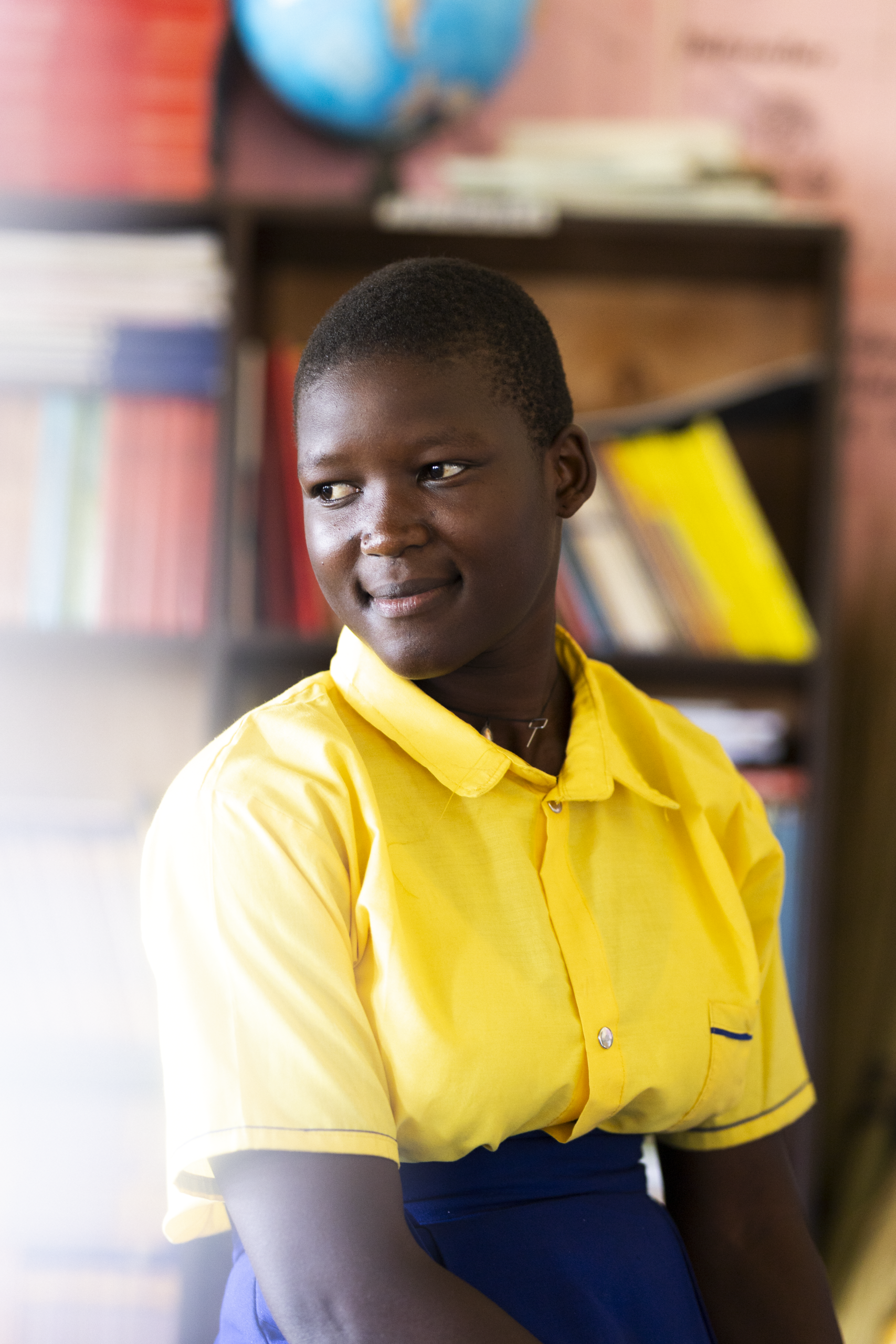
It’s five in the morning in northwestern Uganda, and 17-year-old Blidha is already awake. Outside, dawn has yet to break, and by half past five, she’ll be on her way to school, walking for an hour before settling into her lessons. It’s a journey she makes every school day from her home in Imvepi refugee settlement.
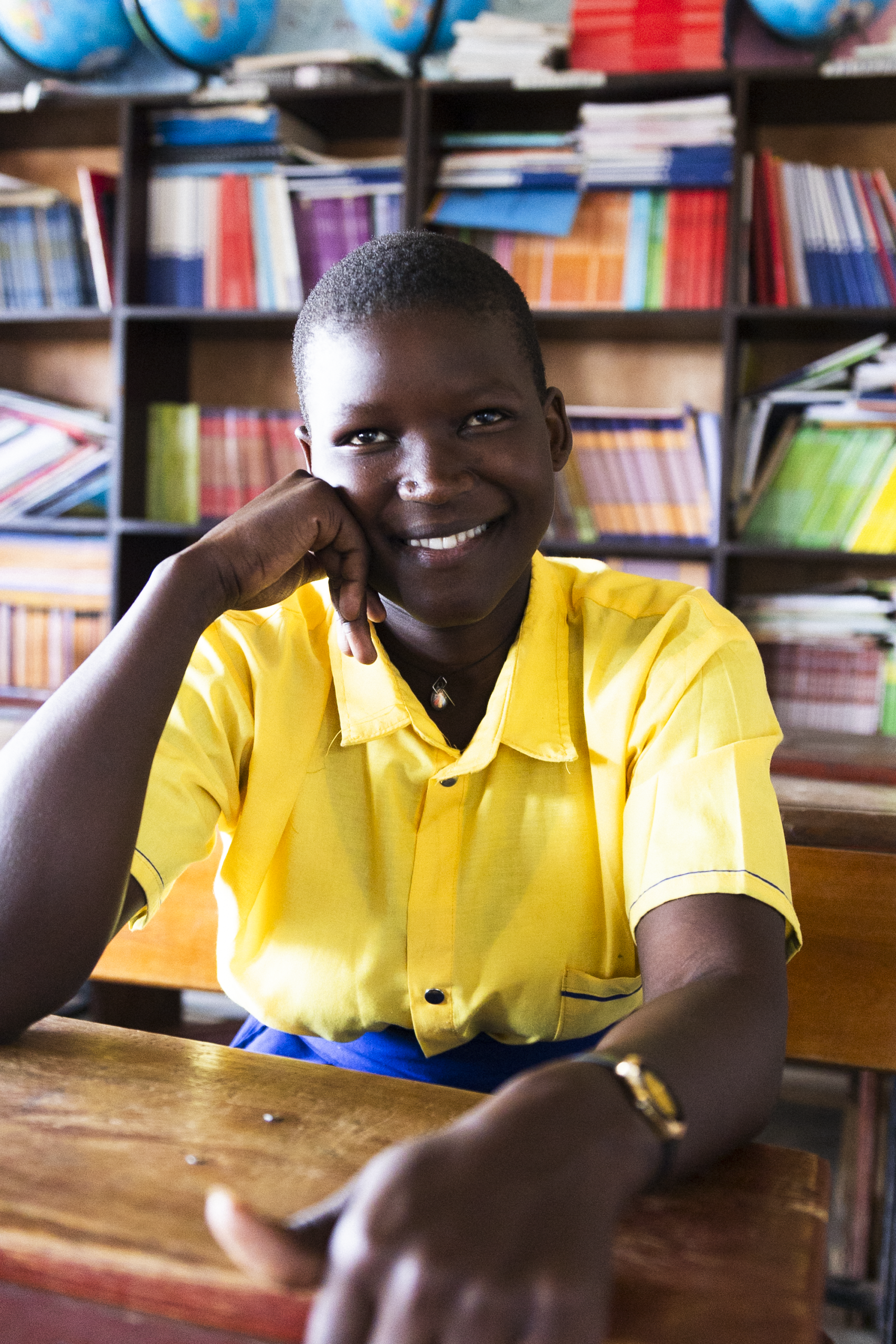
When I met Blidha during my visit to Uganda, she was wearing a bright yellow school uniform and behind her, shelves were lined with books and globes. She told me her favourite subject is English and she loves to read and write stories, and she spoke about her education with so much enthusiasm, the same enthusiasm I’d come to recognize in so many of the students I’d met that week. I chatted with her and took her photo, and she was such a natural in front of the lens. She was so excited to share her love of learning with me. It was one of the many conversations that stayed with me long after I returned home.
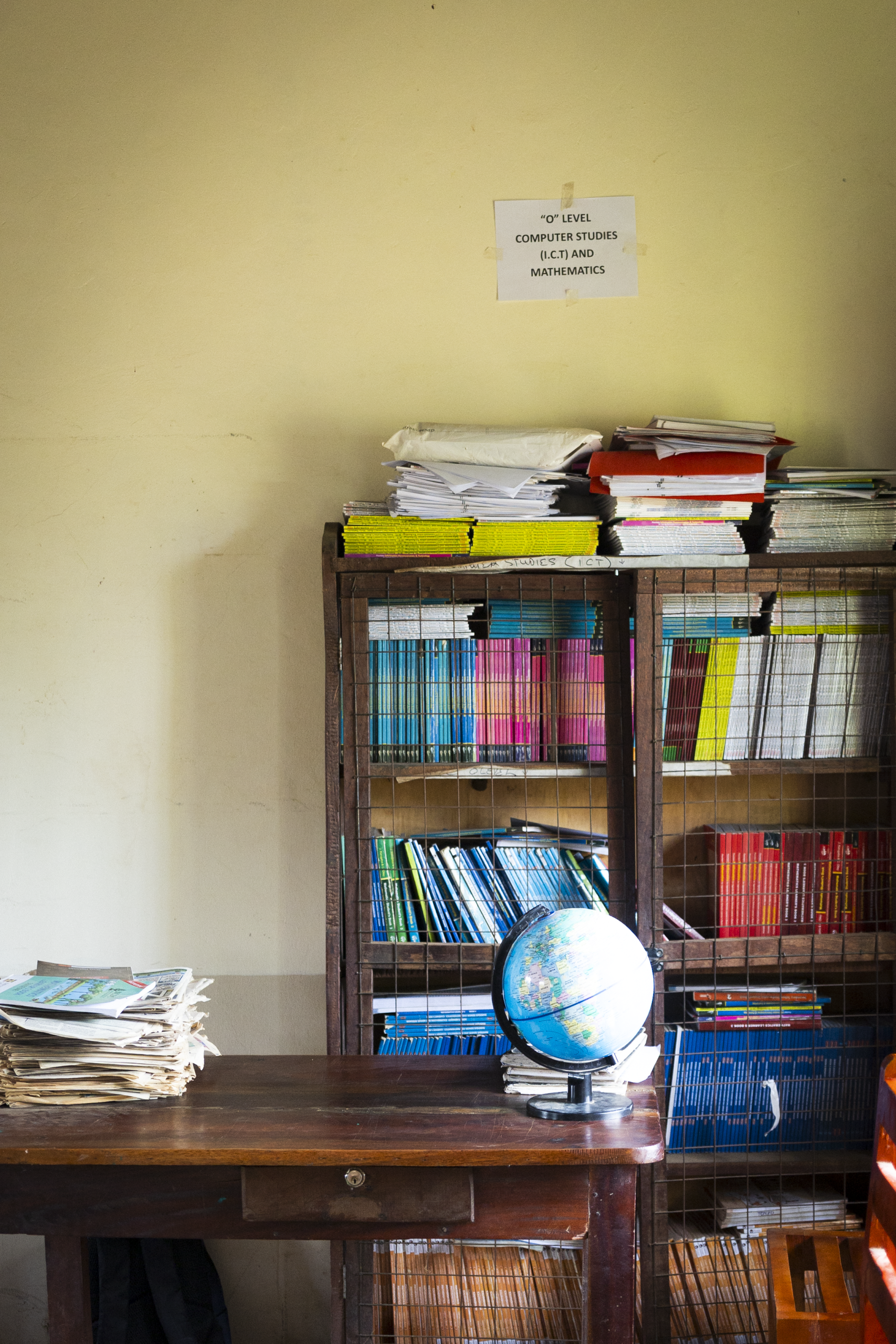
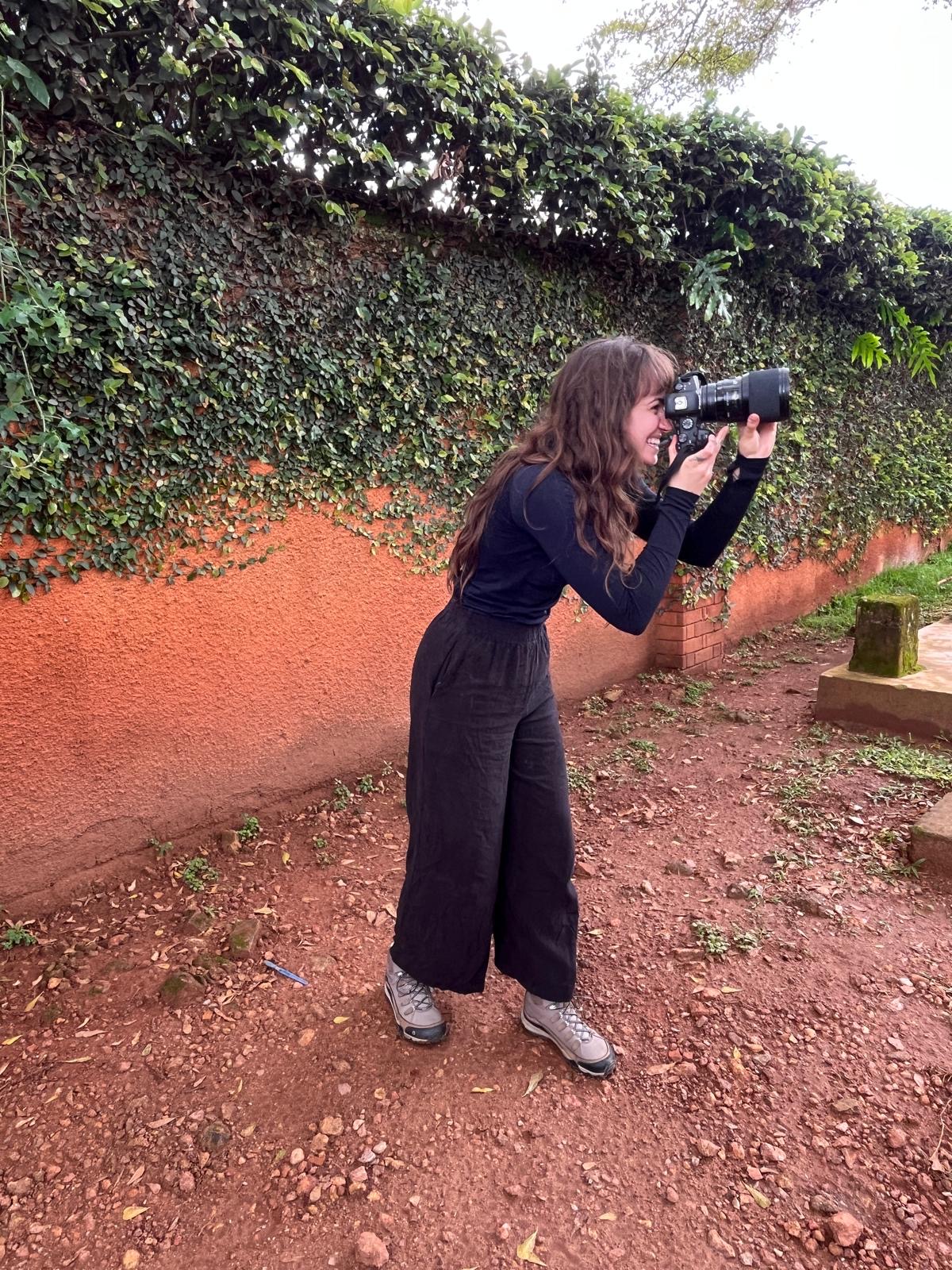
I’d travelled to Uganda with my camera, a notebook, and plenty of questions, to document Oxfam Canada’s work with refugee and host communities. Uganda has become a place of refuge for families fleeing conflict and violence in neighbouring South Sudan, Sudan and the Democratic Republic of Congo. Thousands have been forced to leave behind their homes and communities in search of safety, and today, Uganda hosts nearly two million refugees, many of them children.
In Uganda’s northwest, where settlements like Imvepi have become home to thousands of displaced families, red dirt roads wind through landscapes of woodland savannah trees and cultivated fields. Here, children are growing up, going to school, and imagining futures that extend beyond the circumstances that brought them and their families here. They tell me they want to stay in school to become nurses, doctors, accountants, politicians, and the excitement in their voices isn’t something I can capture on camera. They are so proud of the things they are learning and the programs they are leading, and they can’t wait to share their stories.
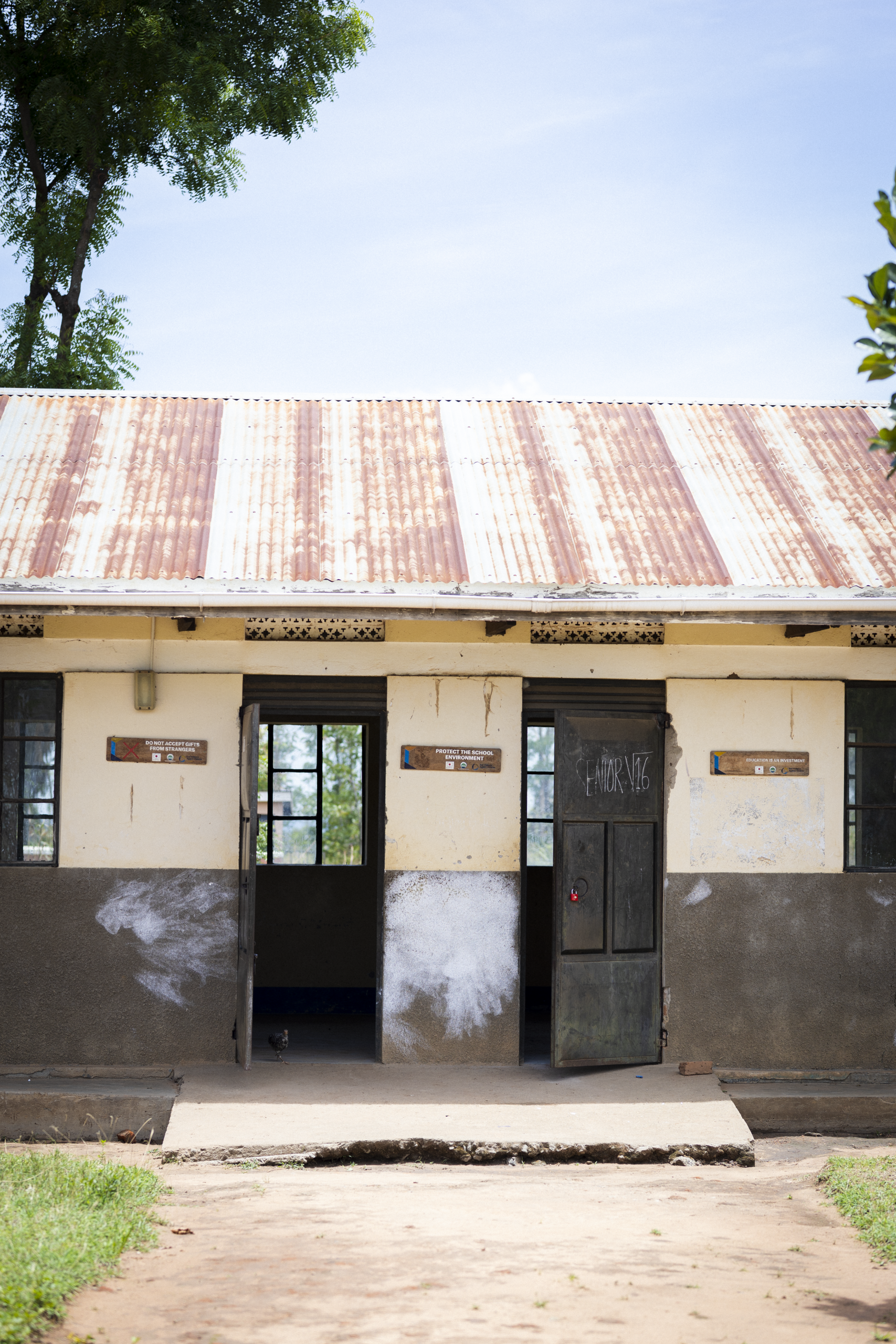
But I soon learned that sometimes wanting to go to school and actually being able to go are two very different things. Blidha told me that there were days when she used to miss school entirely. She told me that like many girls at her school, she used to stay home during her period because she didn’t have access to sanitary pads.
So I asked her, what changed?
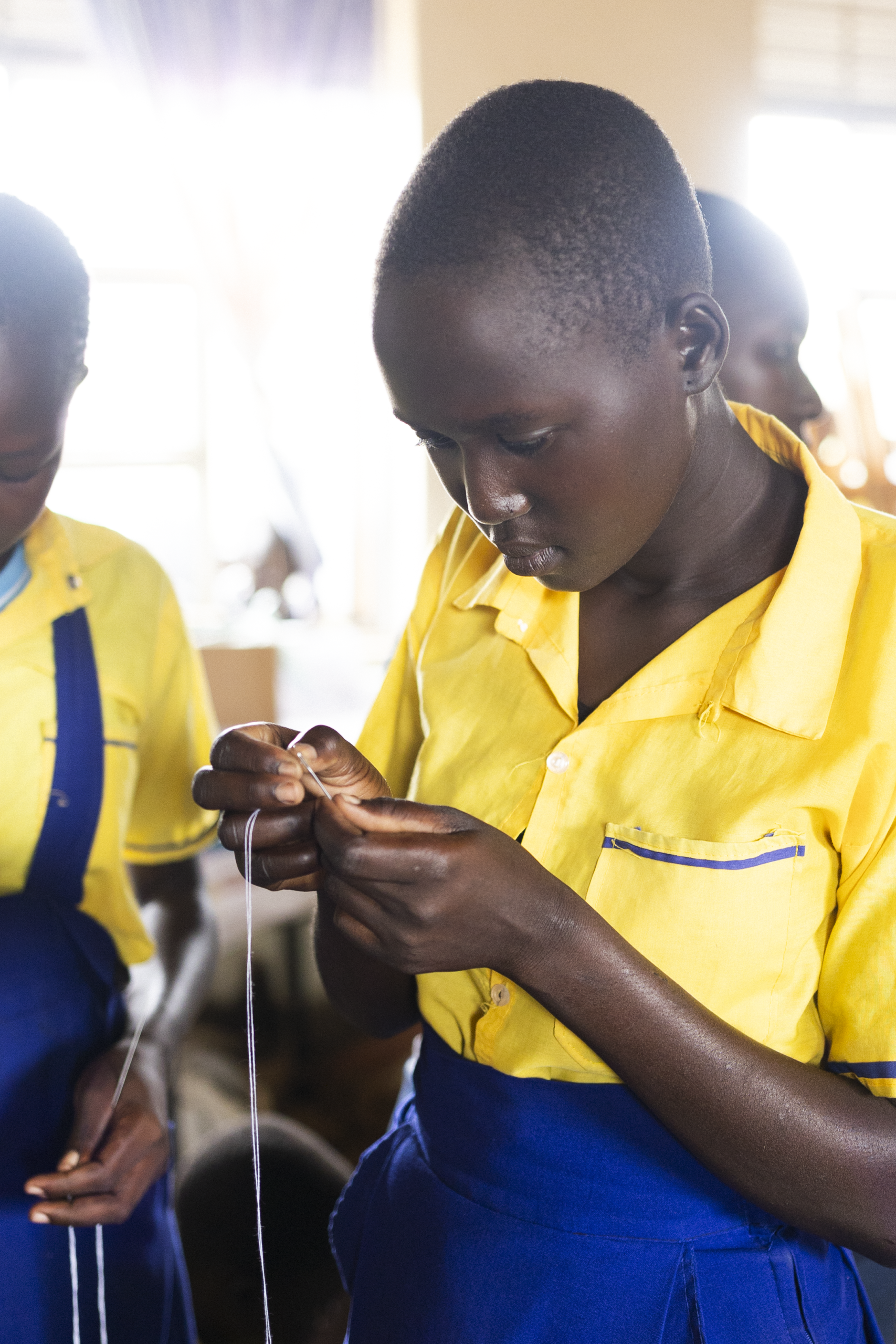
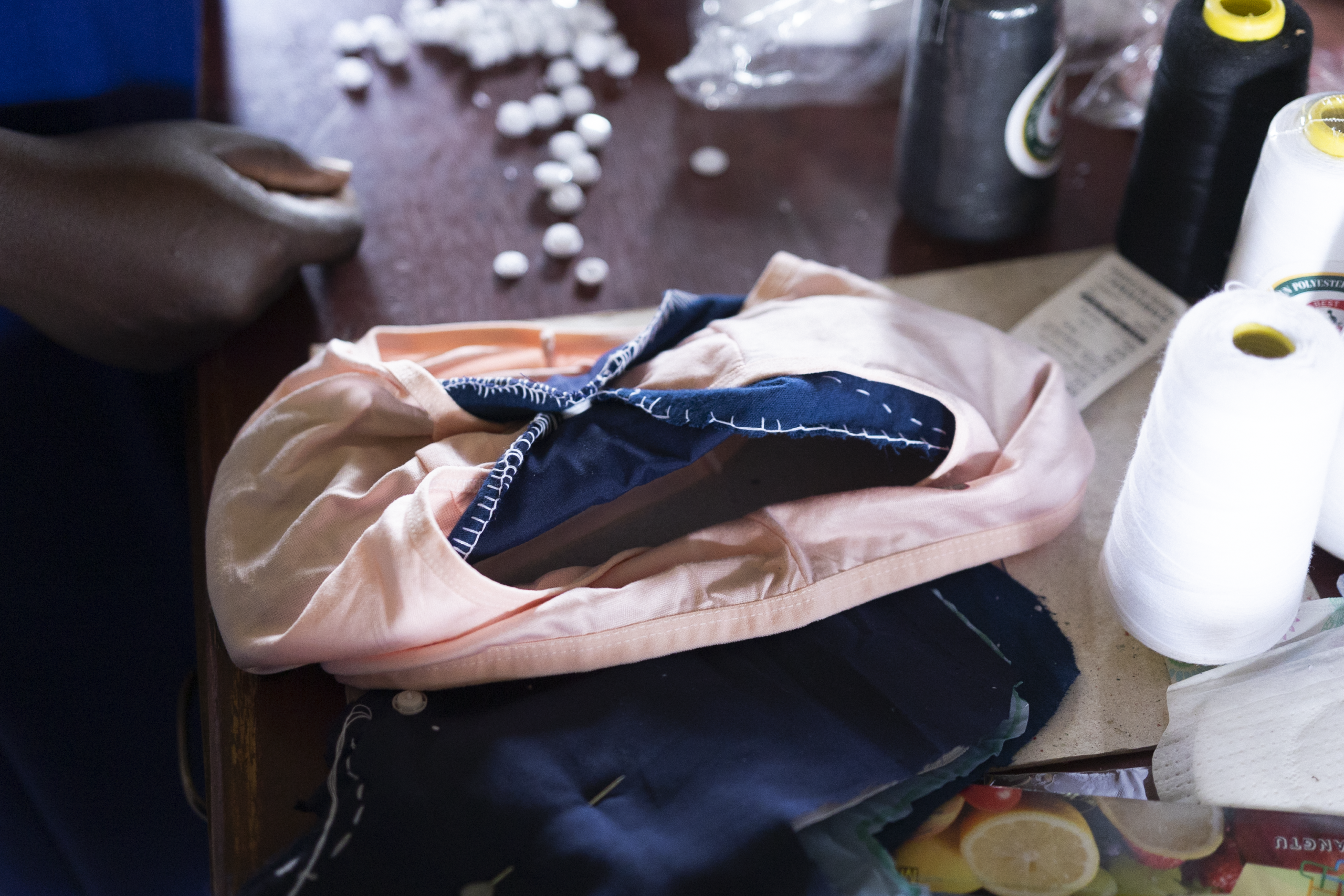
She quickly jumped up and proudly showed me the reusable pads she’d sewn, explaining how the girls were learning to make their own so they wouldn’t have to miss class every month. I photographed her work and thought about how something so simple could make such a huge difference.
But access to sanitary pads wasn’t the only thing that used to hold Blidha back from attending her classes–menstruation had always been a source of embarrassment for her, made worse by boys in her class teasing her. But even that was changing now, too.
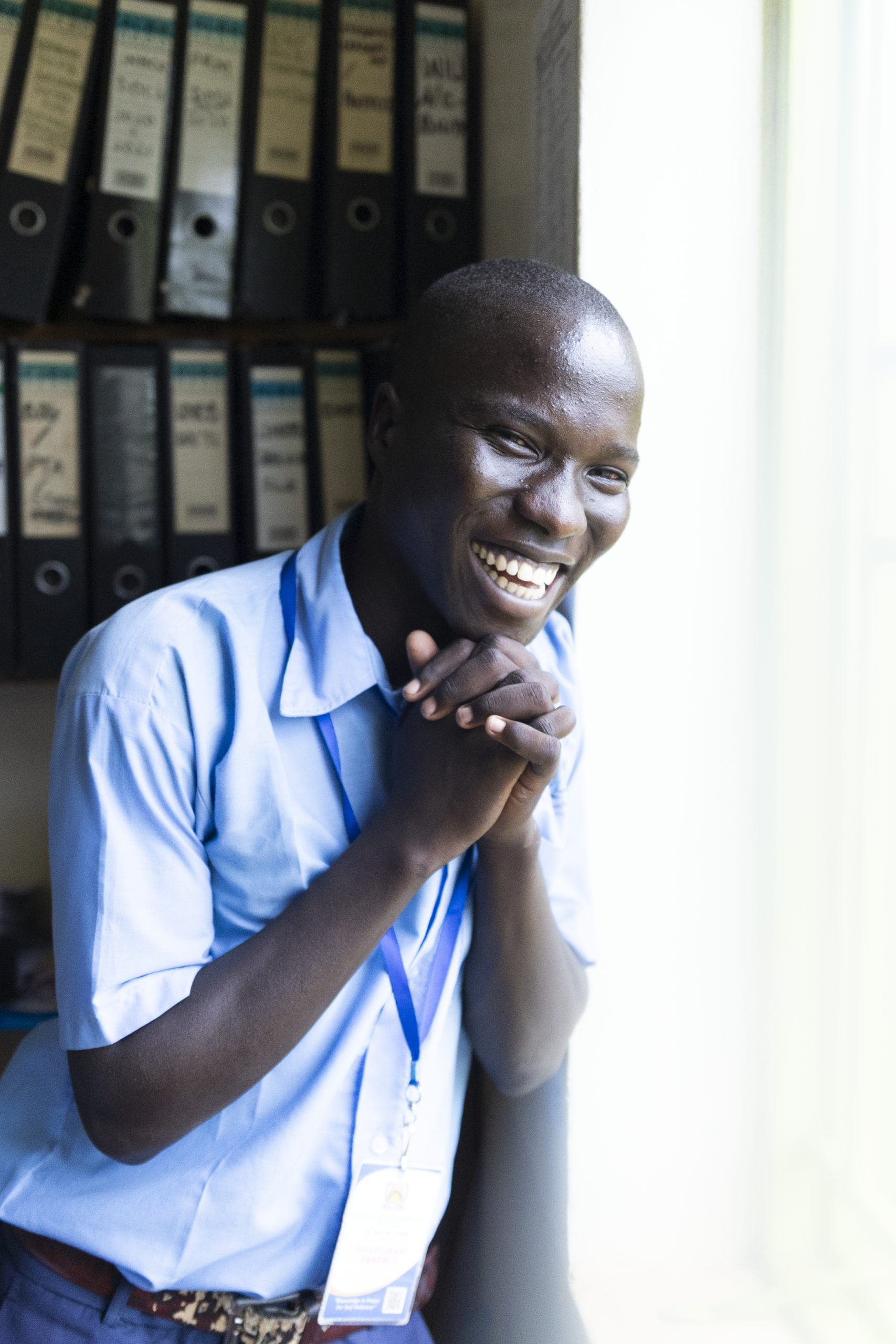
That’s how I met Tomba.
Seventeen years old and originally from South Sudan, Tomba walks an hour and a half to school each morning. His favourite subject is politics, and he dreams of one day becoming a political leader in his home country, helping to build a future free from the conflict that has affected so many lives. He told me how important his education is to him to help him achieve his dreams, and how important it is for him to stand up for his classmates and sisters, ensuring that they, too, have the same access to education that he does.
After learning about menstruation in school, he started talking to them and offering support, and even helping to sew the reusable pads himself and convincing his friends to join as well.
“It is not only the responsibility of girls, but also we as the brothers, we have to help our sisters,” he told me.
What struck me was how confident and matter of fact he was about the whole thing. I spoke to others, too, and there was no awkward laughter or embarrassment you might expect from a teenage boy when talking about periods. They spoke about supporting their sisters with a confidence and excitement that stayed with me long after I put away my camera.
And it was that confidence and eagerness that seemed to follow me from one school to the next.
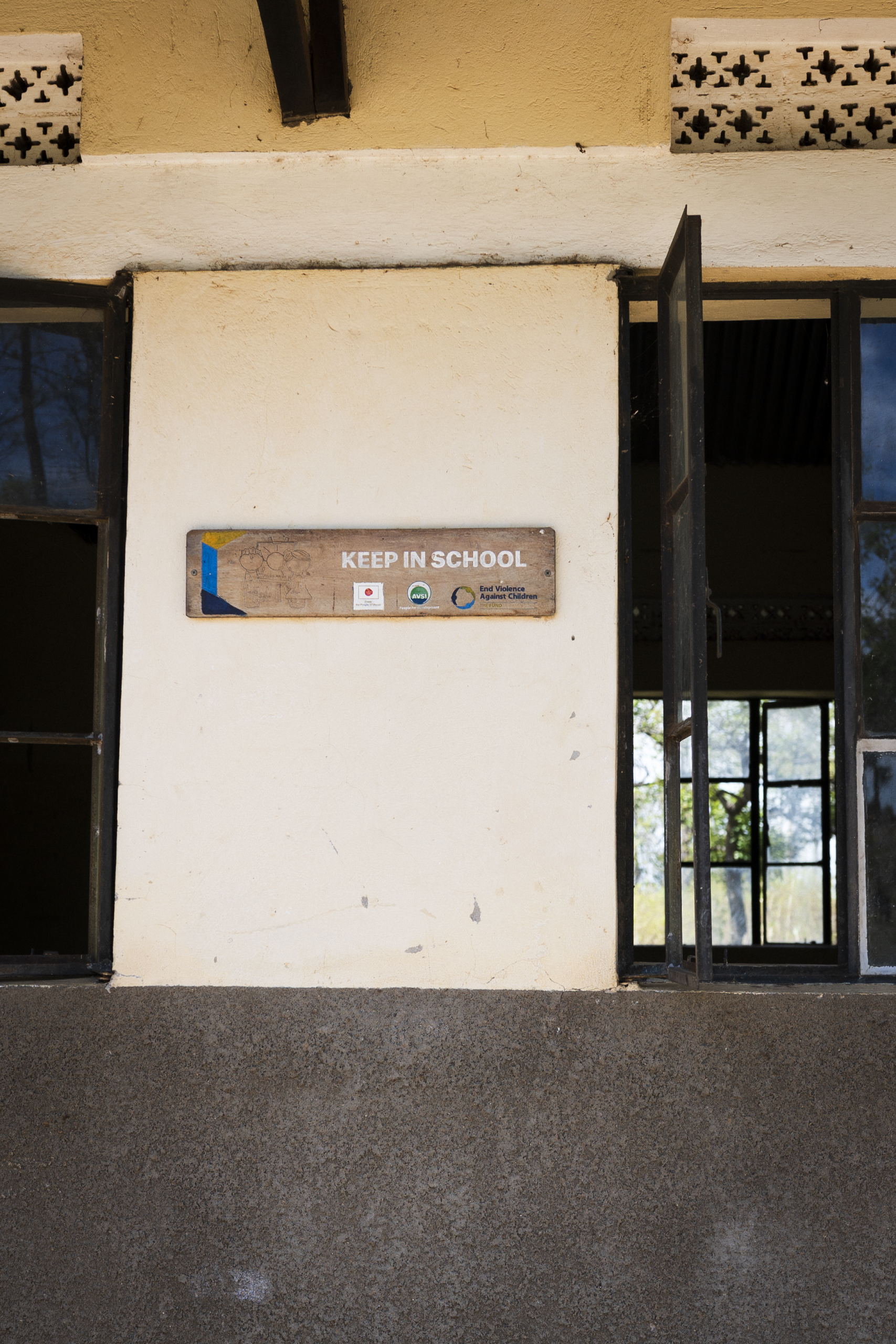
In other schools, students were tending gardens, growing food, and raising goats. Moreen, a student leader, told me about how she and her classmates harvest beans from their school garden, drying them in the sun and using them to help feed other students. Brenda, another student leader, helps Moreen to organize these activities, encouraging her classmates to get involved and take on leadership roles at school.
When I asked Brenda what she wanted to be when she finished school, she didn’t hesitate at all. She wanted to become a nurse, she told me, to help people who were sick. I heard answers like hers again and again that week, whenever I asked students about their futures, they had their answers ready, and their excitement was infectious.
Of course, I knew that enthusiasm alone couldn’t overcome everything standing between these young people and the futures they imagine for themselves. Poverty, displacement, and unequal opportunities for girls and a lack of educational resources make continuing to get an education seem impossible. Some of the students I spoke to even told me they were worried their families wouldn’t be able to afford to keep them in school. But, I also kept thinking about how much these students were already doing. They were growing food for their classmates, organizing school projects, looking out for their sisters and challenging ideas about what girls and boys should be able to do.
On this National Child Day and World Children’s Day, I’ve been thinking about what children’s rights actually look like in everyday life. Sometimes, it’s a girl like Blidha walking an hour-long journey to school every morning. Other times, it’s boys like Tomba helping his sisters feel confident and supported. And during my week in Uganda, I learned that often, it’s entire classrooms full of students eager to learn, with a hundred different ideas about what they want to be when they grow up.
When I returned home, I had hundreds of photographs, but what stayed with me most wasn’t what I could capture through my camera. It was that infectious excitement the students showed when telling me their stories and their dreams, how proudly they showed me what they’d made, and what they’d learned at school that day, and how excited they were about everything still to come. They have big dreams for their futures, and they deserve the right to make them real.
Help us support refugee students like Blidha and Tomba. Donate today.
Discover more stories
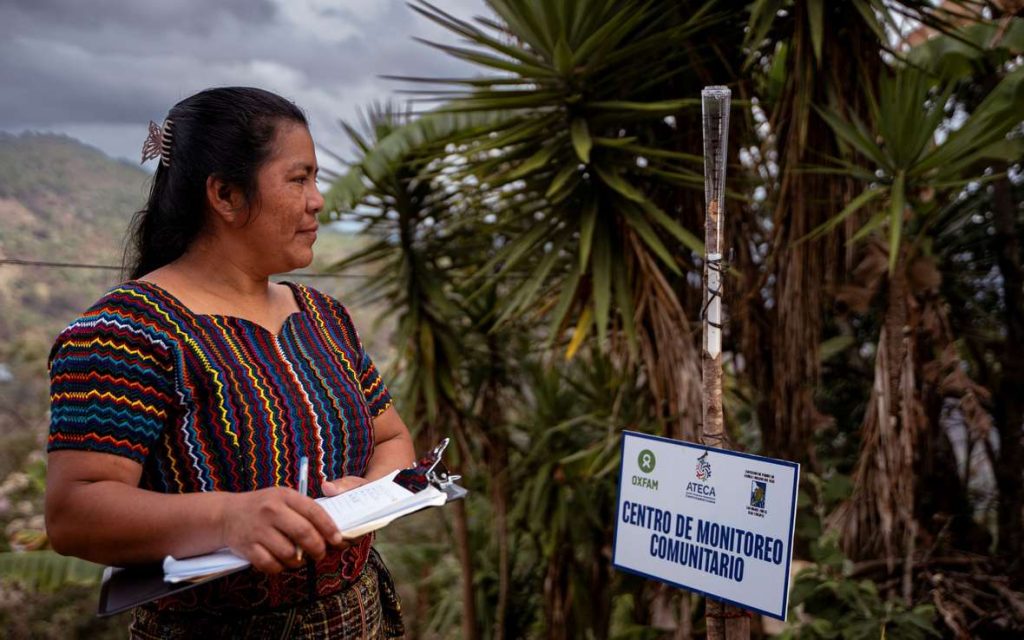
Communities across Guatemala’s Dry Corridor are strengthening local leadership and early warning systems to improve food security, protect their families, and prepare for the future.
The climate crisis is deeply unfair. Oxfam’s Disaster Divide report reveals the world’s richest 0.1% produce more carbon emissions than the poorest 44% of humanity combined. In Canada, the richest 0.1% emit 50 times more carbon per person than the poorest half of the population.