World Humanitarian Day: Why humanitarian action matters when people are forced to flee
World Humanitarian Day: Why humanitarian action matters when people are forced to flee
Every year on August 19, World Humanitarian Day recognizes the people who put themselves on the frontlines of crises to support others. It is also a chance to recognize the strength of the communities living through conflict, disasters, and displacement, and the work that continues long after the world's attention has shifted elsewhere.
Today, humanitarian crises are becoming more complex. Conflict, hunger, disease outbreaks, and climate-related disasters are colliding in ways that leave millions of people struggling to meet even their most basic needs. While every crisis is different, they all point to the same reality. Humanitarian action is about more than delivering assistance in an emergency. It is about helping people to meet their immediate needs, protect their rights and dignity, and shape the decisions that affect their lives – while addressing the inequalities and systems that make some people more vulnerable to crisis than others.
For World Humanitarian Day, we're spotlighting some of the world's largest displacement crises. From Sudan and South Sudan to Bangladesh, Uganda, Syria, and Lebanon, millions of people have been forced to flee their homes while the communities hosting them face growing pressure on resources and essential services. These are not the only humanitarian emergencies Oxfam is responding to, but they show why sustained humanitarian action remains so important.
Sudan and South Sudan: A crisis that extends beyond one border
The conflict in Sudan has created one of the world's largest refugee crises. Millions of people have been forced to flee their homes, with many seeking safety in neighbouring South Sudan.
For South Sudan, this comes on top of challenges that already existed. Communities are facing food insecurity, flooding, and limited access to clean water and health care, even as they welcome people escaping violence across the border. This has placed additional pressure on communities and services that were already under enormous strain, underscoring the need for sustained support for both people arriving from Sudan and the communities hosting them.
Doup Bankok knows this journey firsthand. In 2023, he fled Sudan for Renk, South Sudan, leaving his wife and children behind. After finding work with Oxfam, he was able to send money home until his family could eventually join him. Doup went on to work as a hygiene promoter, helping people at the transit centre protect themselves from health risks, including cholera. His story shows how people who have lived through a crisis can also become part of the humanitarian response.
Oxfam is responding in South Sudan, helping people access clean water, sanitation, and other lifesaving support while working with communities to strengthen their resilience during an increasingly difficult time.
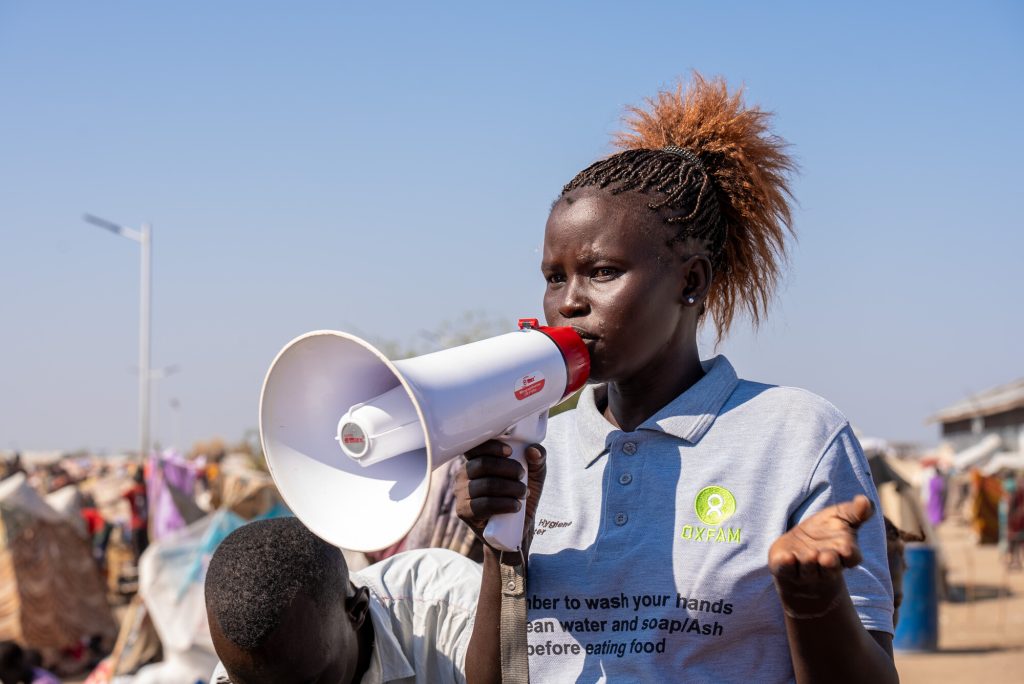
Jun Ajuk, Oxfam health promoter, speaks to refugees and returnees in Renk on the importance of maintaining hygiene to avoid the spread of diseases. "We go to the communities and speak to them on the importance of maintaining good hygiene to avoid the spread of diseases. We also go house to house to support them with basic detergents, clean water and buckets so they can actually use them to clean," - Jun. Photo: Herison Philip Osfaldo/Oxfam
Uganda: Offering refuge while responding to a health emergency
Uganda continues to provide refuge to people fleeing conflict in neighbouring countries and hosts one of the largest refugee populations in the world.
At the same time, the country is responding to a Bundibugyo Ebola outbreak, linked to the ongoing outbreak in the Democratic Republic of the Congo. Preventing the spread of disease while supporting refugee-hosting communities has become an urgent priority.
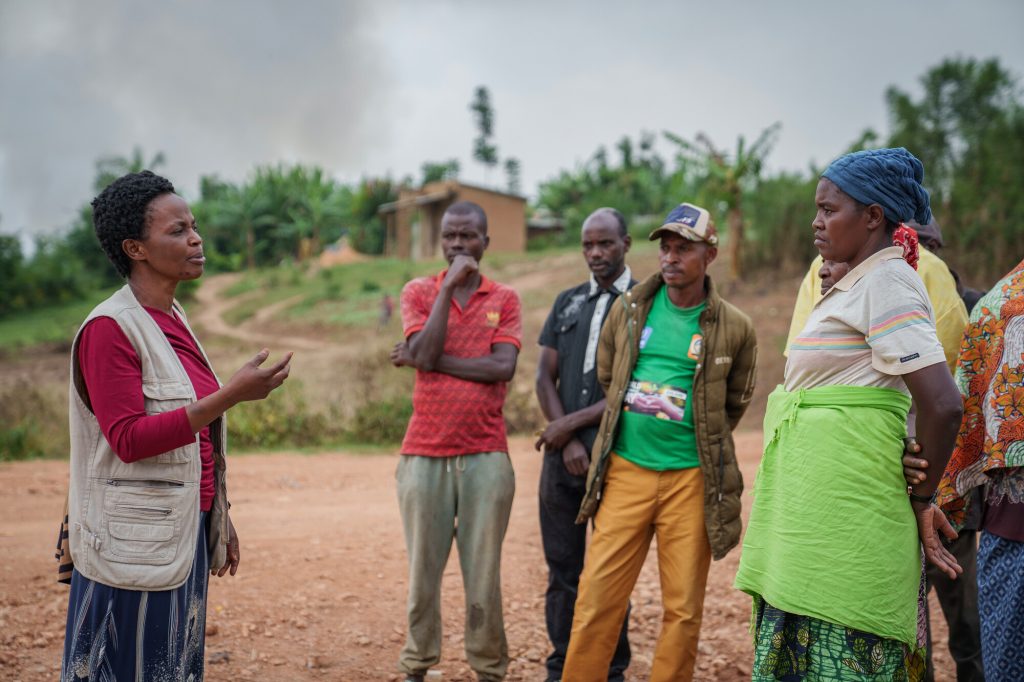
Neema Bahemuka is a Village Health Team member who is trained in conducting active case finding, contact tracing, and follow-up for the Ebola response. She is speaking to the community in Kyaka II Refugee Settlement during an outreach. Photo: Muhumuza Joseph/Oxfam
We are working with our local partners to strengthen water, sanitation, and hygiene services, improve infection prevention and control measures, and support community engagement so people have the information and resources they need to protect themselves and those around them.
Syria and Lebanon: Years of crisis, and new challenges
More than a decade of conflict has left communities across Syria struggling with damaged infrastructure and limited access to essential services. Earlier this year, severe flooding in Deir ez-Zor damaged water pumping stations, irrigation systems, and farmland, putting safe water at risk for hundreds of thousands of people while disrupting livelihoods during the harvest season.
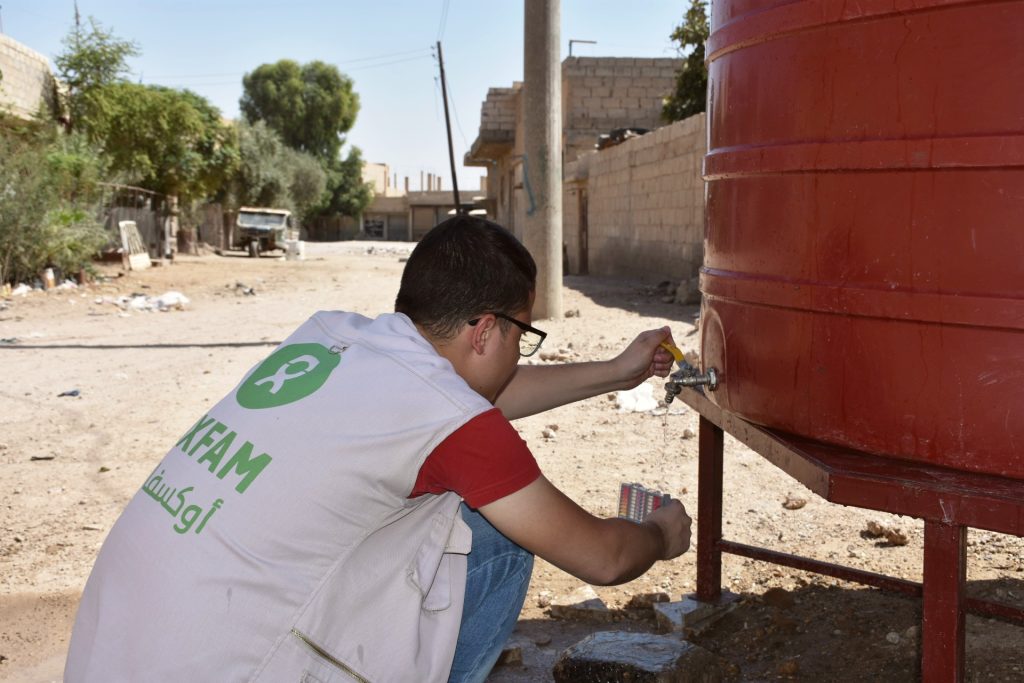
Oxfam team checks the water quality of the tanks installed in different neighbourhoods in rural Deir Ez-Zor in response to the water needs of displaced people as well as the host community. Photo: Dania Kareh/Oxfam
Next door, Lebanon continues to host large numbers of refugees from Syria while facing its own economic and humanitarian challenges. Ongoing insecurity, rising food insecurity, and pressure on public services are affecting refugees and host communities alike.
For Nour Shawaf, Oxfam's Regional Influencing Manager in Beirut, being a humanitarian worker has also meant living through crisis herself. In a video diary recorded in March, Nour spoke about fearing for her two young children while also worrying about her Oxfam colleagues and staff at partner organizations who were delivering aid under difficult circumstances. Her experience is a reminder that humanitarian workers are often part of the communities affected by the emergencies they respond to.
Bangladesh: Nearly a decade of displacement for Rohingya refugees
Nearly ten years after hundreds of thousands of Rohingya people fled violence in Myanmar, Bangladesh continues to host one of the world's largest refugee populations.
The crisis has not ended. Conflict inside Myanmar continues to force people from their homes, making safe and voluntary returns impossible for many families. Continued displacement from Myanmar is placing additional pressure on refugee camps where humanitarian needs already far exceed available resources.
Some people also continue to make dangerous journeys across land and sea in search of safety, often facing trafficking, exploitation, detention, or death along the way.
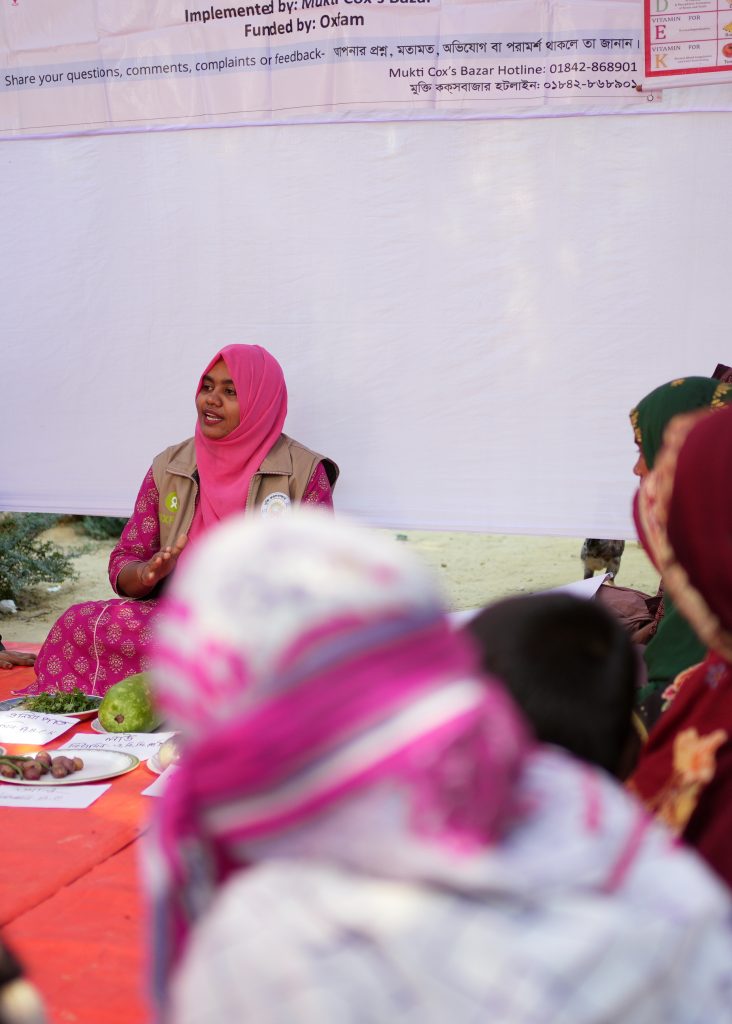
We are continuing to support Rohingya refugees and host communities by improving access to clean water, sanitation, and other essential services, while advocating for lasting solutions that protect the rights and dignity of displaced people.
Humanitarian action is about people
Doup and Nour's experiences remind us that humanitarian workers are not separate from the crises they respond to. They may have been forced to flee themselves or be raising their families in the midst of conflict, while continuing to support others in their communities.
On World Humanitarian Day, we honour the courage of humanitarian workers and the resilience of communities facing unimaginable challenges. Oxfam continues to work alongside communities, advocating for lasting solutions while responding to urgent humanitarian needs wherever they arise.
Because when conflict, disasters, and displacement force people from their homes, humanitarian action is more than an emergency response. It is an act of solidarity and a reminder that no one should face crisis alone.
Stand with people facing and responding to humanitarian crises around the world. Donate today to support Oxfam’s lifesaving work.
Discover more stories
On International Safe Abortion Day, we celebrate an important truth: rights only matter when people can exercise them. Around the world, progress has been made to advance sexual and reproductive health and rights (SRHR). Laws have changed, policies have evolved, and investments have expanded access to essential services. Yet for many women, girls and gender-diverse people, stigma, discrimination, lack of information, and under-resourced health systems continue to stand between rights on paper and reality.
Decisions about the future of Gaza must be made by Palestinians, with respect for basic human rights and self-determination.