Summer 2026: Compounding Climate Disasters
Summer 2026: Compounding Climate Disasters
As summer unfolds, communities around the world face heightened risks from climate disasters. Rising temperatures, severe storms, floods, and earthquakes can strike with little warning, leaving families vulnerable and in urgent need of support. Here is the summer 2026 climate disaster snapshot:
Venezuela Earthquakes
Two major earthquakes (7.2 and 7.5 magnitude) struck Venezuela on 24 June 2026, followed by more than 1,000 aftershocks. The impact was catastrophic – more than 4,000 fatalities, 17,000 people displaced with the majority injured and homes, schools, health facilities and critical infrastructure severely damaged.
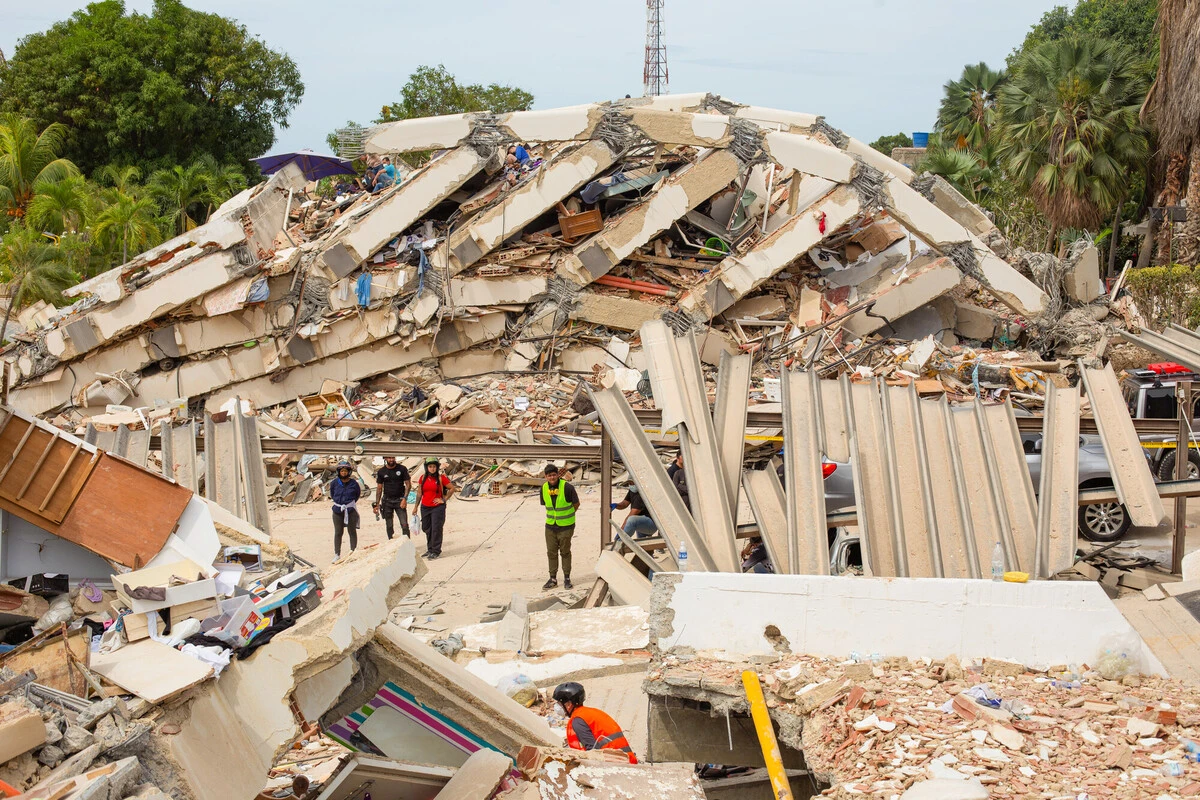
Photo Credit: DEC/Arete/Alex Bartsch
The disaster compounds an already complex humanitarian context, where political uncertainty, access restrictions, and chronic underfunding are making relief efforts more difficult. As of early 2026, an estimated 7.9 million people required humanitarian assistance.
Oxfam and local partners activated an emergency response to the earthquakes focused on safe water, sanitation, food security, protection, and psychosocial support, rushing to reach the most affected communities. As part of the Humanitarian Coalition joint appeal, we raised more than $3.5M plus the dollar-for-dollar matching campaign from Global Affairs Canada. Despite growing humanitarian needs, funding remains critically insufficient, making donor support essential to scaling up life-saving assistance.
Philippines Earthquakes
More than 1.4 million people have been affected by the Earthquake that struck Mindanao in June, with many families facing damaged homes, limited access to clean water, disrupted livelihoods, and heightened protection risks.
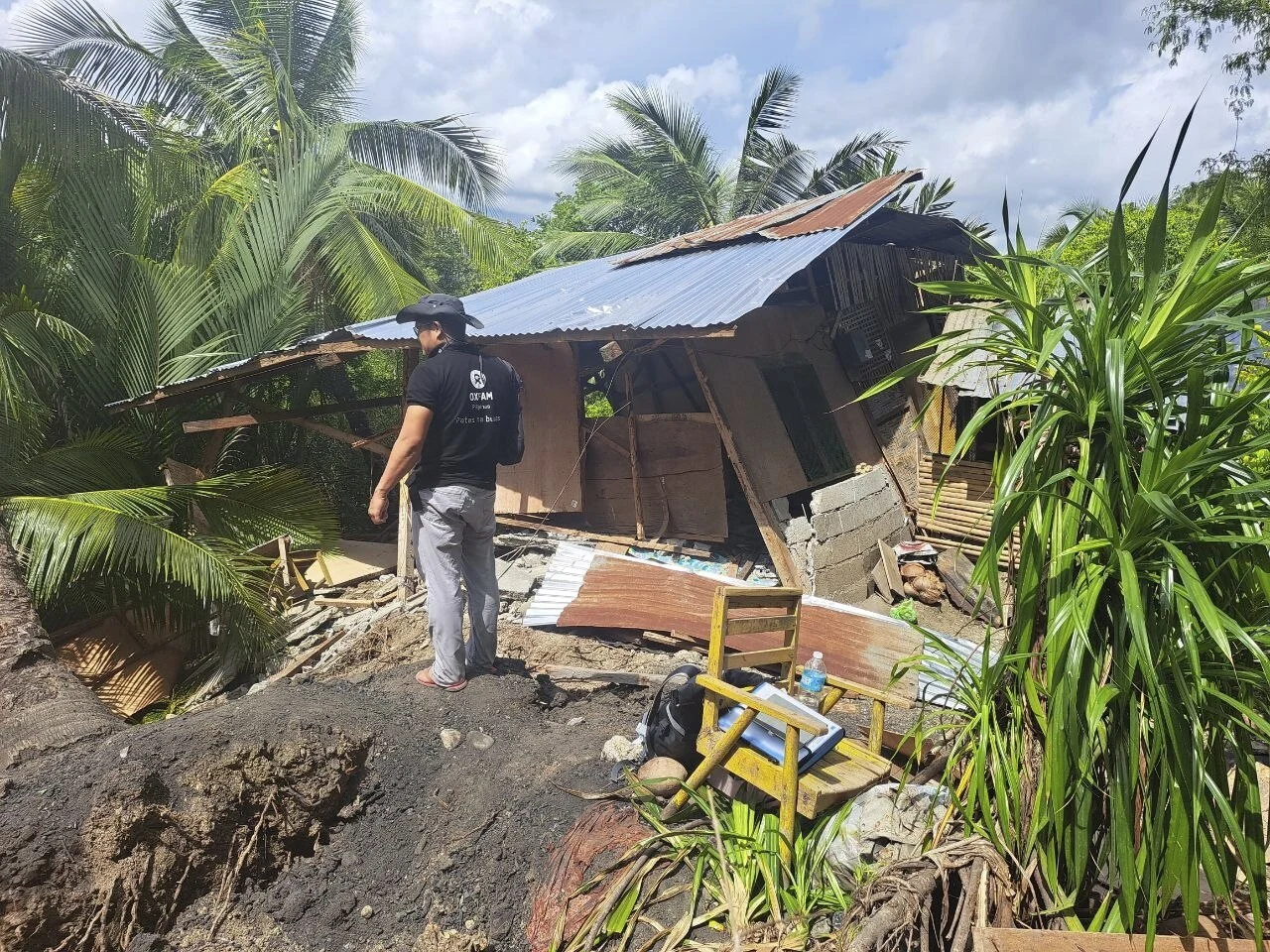
Photo Credit: Oxfam Philipinas
Working to reach some of the hardest-hit and hardest-to-reach communities, Oxfam’s response builds on our longstanding humanitarian presence in the Philippines and partnership with Magungaya Mindanao Incorporated (MMI). Together, local teams are providing emergency shelter materials, non-food items, hygiene and water kits, and psychosocial and protection support to affected families.
The Philippines is the world’s most disaster-prone country according to the World Risk Index and has held this ranking for 17 consecutive years. That’s why Oxfam Philipinas works with communities to be more prepared for extreme and destructive weather events through measures such as early warning systems; resilient agriculture; disaster risk financing; market-based interventions; water, sanitation and hygiene; and initiatives to shift to renewable energy sources.
Bangladesh Floods
When continuous heavy monsoon rainfall and floodwaters swept through parts of Bangladesh in July, families had only moments to escape. In Chattogram and other affected districts, families have lost homes, income and access to safe drinking water and sanitation. In Cox’s Bazar, the danger is especially acute, as Rohingya families live in densely populated camps on fragile slopes, with limited space for safe relocation and heightened exposure to flooding and landslides. Shelters, waterpoints and latrines are severely damaged.
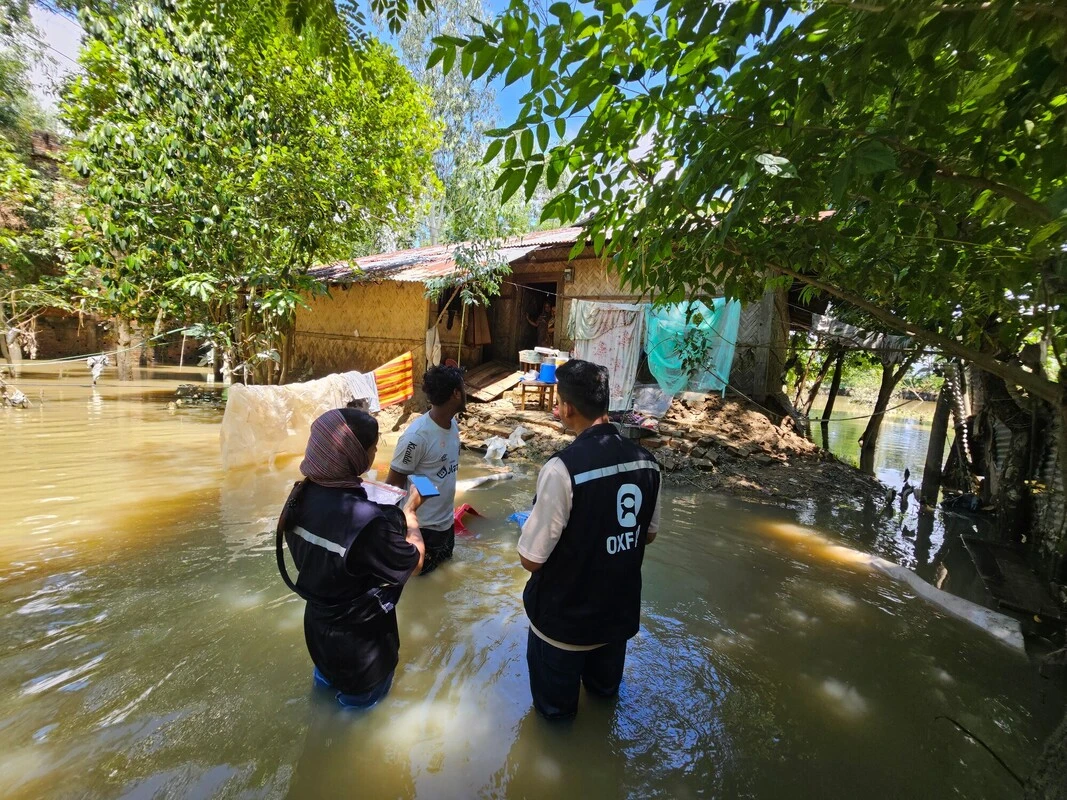
Photo Credit: Shamerul Huda / Oxfam
Oxfam has been working with partners and the community in Bangladesh since 1970, assisting the then cyclone victims, and supporting the people of Bangladesh during the 1971 Liberation War. In the last 50 years, Oxfam has operated in Cox’s Bazar, running critical humanitarian and resilience programs for Rohingya refugees and local Bangladeshi host communities. Our current operations focus on food security, clean water, sanitation, livelihood recovery and emergency response following severe monsoon flooding.
“In crowded camps during long-term crises, everyday life takes extraordinary ingenuity. It also takes your extraordinary support.”
– Fatema Tuz Johoora, Oxfam in Bangladesh
Somalia Drought
Somalia’s drought crisis is a clear example of climate injustice. Repeated failed rainy seasons, rising temperatures, and increasingly unpredictable weather have driven severe water shortages, crop failures, livestock deaths, and widespread hunger across the country. Communities are still recovering from the longest and most severe recorded drought in the region, during which five consecutive rainy seasons failed between 2020 and 2023. Today, 6.5 million people in Somalia face acute food insecurity, despite contributing very little to the global emissions driving the climate crisis. As Oxfam’s Africa Director, Fati N'Zi-Hassane, noted, “Communities here have contributed almost nothing to the global climate crisis, yet they are paying the highest price.”
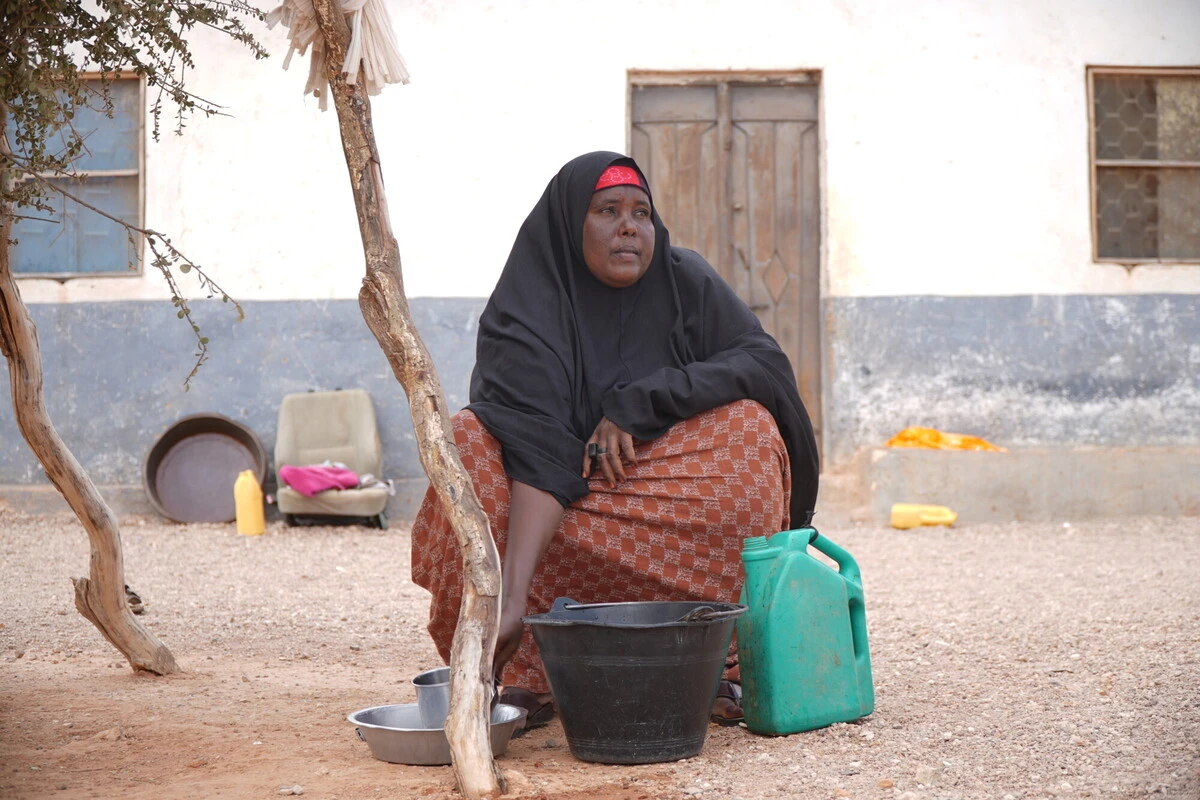
Photo Credit: Abdiaziz Adani / Oxfam
However, Oxfam stresses that drought in Somalia is not caused by climate change alone. The crisis is compounded by conflict, displacement, poverty, disease outbreaks, locust infestations, weak infrastructure, and chronic humanitarian funding shortfalls, all of which undermine communities’ ability to cope and recover. Water scarcity has become especially severe, with Oxfam reporting that water prices in some parts of Somalia have risen by more than 2,000%, placing this basic necessity beyond the reach of many families. As wells and rivers dry up, women and girls often bear the burden of walking long distances to collect water, while insufficient funding limits the humanitarian response. For Oxfam, addressing the crisis requires both immediate humanitarian support and long-term investments in climate adaptation and resilience.
Canada: Heatwaves, Thunderstorms and Wildfires
For many Canadians, climate change no longer feels like a distant threat. The summer of 2026 has been marked by extreme heat, destructive thunderstorms, flooding, and widespread wildfires, disrupting daily life from coast to coast. In early July, parts of Ontario and Quebec experienced record-breaking heat, with Ottawa reaching a humidex of 46°C before severe thunderstorms brought flooding, power outages, and the cancellation of Canada Day celebrations. Across the country, communities have faced a summer of weather extremes, with heat warnings, tornado watches, flash floods, and damaging storms becoming increasingly familiar features of the season.
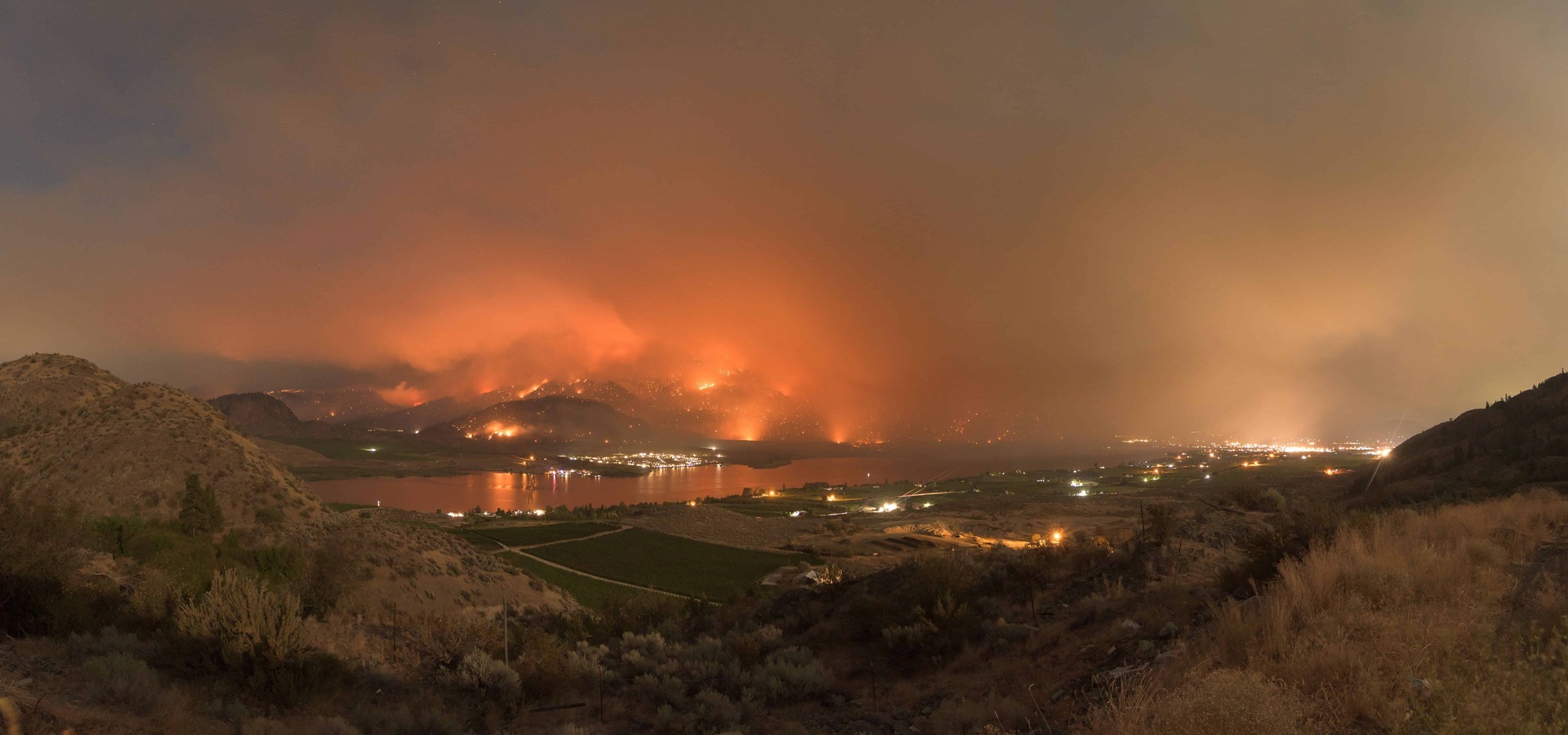
Photo Credit: Shutterstock
At the same time, wildfires continue to reshape the Canadian landscape. By mid-July, hundreds of active fires were burning across the country, with nearly 1.9 million hectares already burned and smoke affecting air quality far beyond fire zones. Entire communities have faced evacuation orders, while major cities have experienced hazardous air quality as wildfire smoke drifted thousands of kilometres. Behind these statistics are families forced indoors, children unable to play outside, workers breathing smoky air, and people wondering whether summers like this are becoming the new normal. For many Canadians, the climate crisis is no longer something happening elsewhere in the world. It is being felt in our neighbourhoods, our health, and our everyday lives.
Oxfam's Response to Climate Injustice
In nearly every region where Oxfam works, the climate crisis is intensified by conflict, political instability, rising food and fuel costs. These compounding factors push more people into extreme poverty.
Together we can respond with:
Discover more stories
Decisions about the future of Gaza must be made by Palestinians, with respect for basic human rights and self-determination.
During a recent visit to Oxfam Pacific in Suva, Fiji, I spent the day in discussions with colleagues on the Women Power project — an initiative focused on strengthening women’s leadership and economic resilience across the Pacific.