On Banaba, Women Are Building Power in One of the Pacific’s Most Remote Communities
On Banaba, Women Are Building Power in One of the Pacific’s Most Remote Communities
I first heard about Banaba during a recent visit to Oxfam Pacific.
While I was meeting with Oxfam colleague, Varea Romanu, Women Power Project Coordinator for Fiji and Kiribati, she described an island so remote that it was accessed only once every couple of months. The only form of contact with the outside world is via a cargo ship that goes to the island when food or petrol runs low or to bring the local Minister to Parliament, sometimes arriving only once every two months on a two-day trip. She spoke about the realities of life there, the long gaps between supplies, the challenges of access, but also about the strength of the community.
Banaba is unlike most of Kiribati’s low-lying coral islands. Its landscape tells a different story, one shaped by decades of phosphate mining that stripped away much of the island’s fertile land. Many Banabans, people indigenous to Banaba Island, were displaced as a result, and those who remain continue to live with the impacts: limited ability to grow food, and ongoing challenges accessing fresh water, with communities relying heavily on rain, challenged by a lack of water catchments for every household.
Today, climate change is compounding these pressures, making already unpredictable conditions even harder to manage.
And yet, what stood out most in that conversation was not just the challenges, but the plans.
Oxfam’s Women Power project is launching in Kiribati in partnership with the Kiribati Climate Action Network (KiriCAN). Banaba is one of the communities this initiative aims to reach.
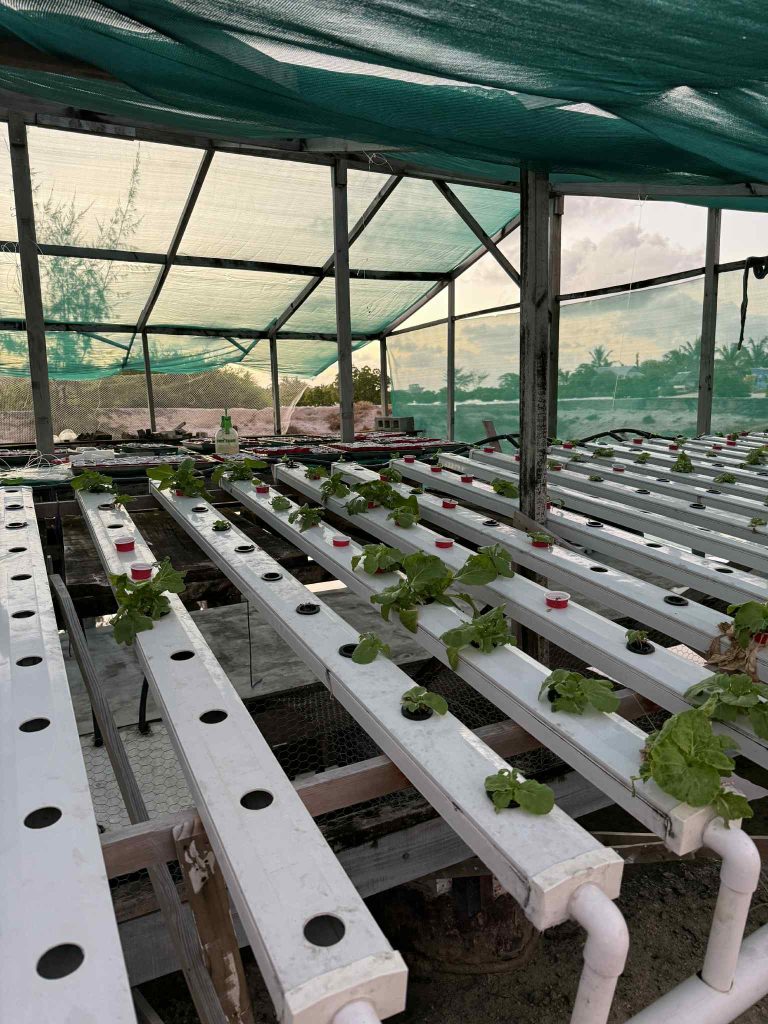
Because travel to the island is so limited, activities will be delivered during future visits, bringing together multiple trainings at once. Varea shared how KiriCAN is planning ahead, preparing to support women through financial literacy training and training of trainers, so that skills and knowledge remain within the community. The team will train and equip Banaban women with hydroponic systems as a gender-responsive, climate-smart agroecology technique.
Hydroponics is a technique that allows plants to grow in nutrient-rich water instead of soil, using 90% less water than traditional methods. This approach is well adapted for Banaba, which is low on topsoil and fresh water. It can also happen at the household level, making it easy for women to look after their kitchen needs.
Pelenise Alofa (aka Mama Pele), founding member of KiriCAN and current board chair, noted her strong desire to travel to Banaba and “hopefully be able to continue to empower our women to stay resilient in the face of challenges! May this project not only empower our women but bring peace and joy to a remote environment…”
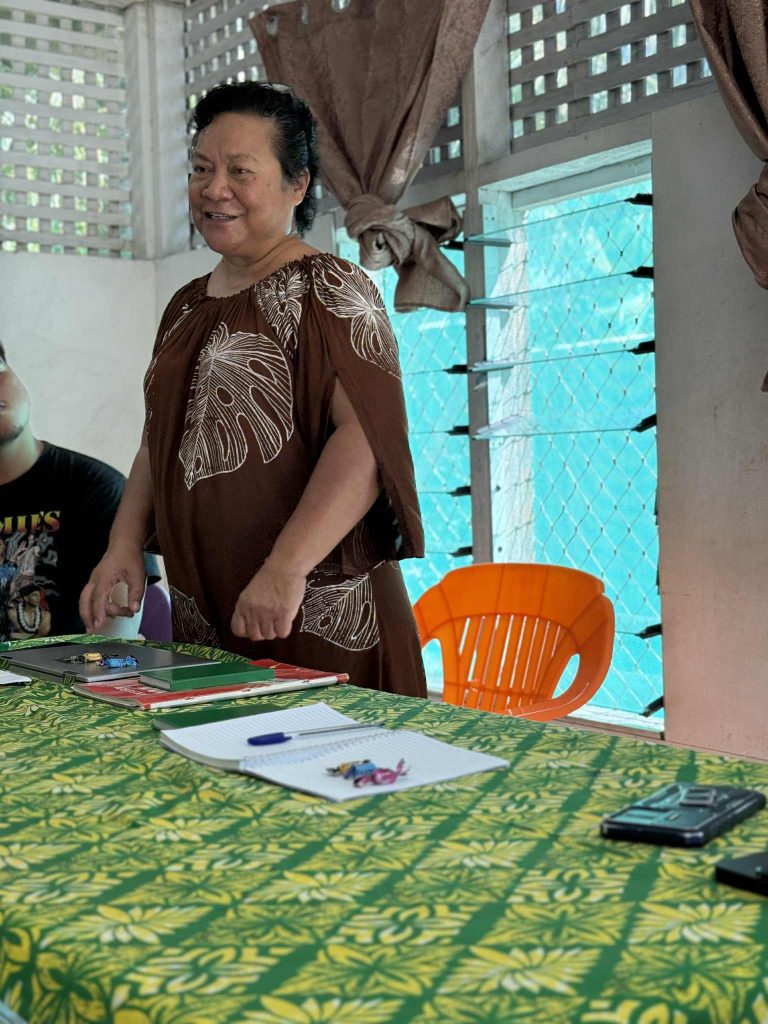
At its core, Women Power is about strengthening women’s leadership and economic resilience. On Banaba, this is especially important. Women are central to managing water, food, and household wellbeing, navigating scarcity with resourcefulness and care.
What stayed with me after that conversation is how much of this work depends on local leadership. In a place where outside support arrives only occasionally, investing in women’s skills and knowledge means change can continue long after any one visit.
Banaba may be remote, but the determination of its people and the leadership of women is anything but distant.
Discover more stories
Decisions about the future of Gaza must be made by Palestinians, with respect for basic human rights and self-determination.
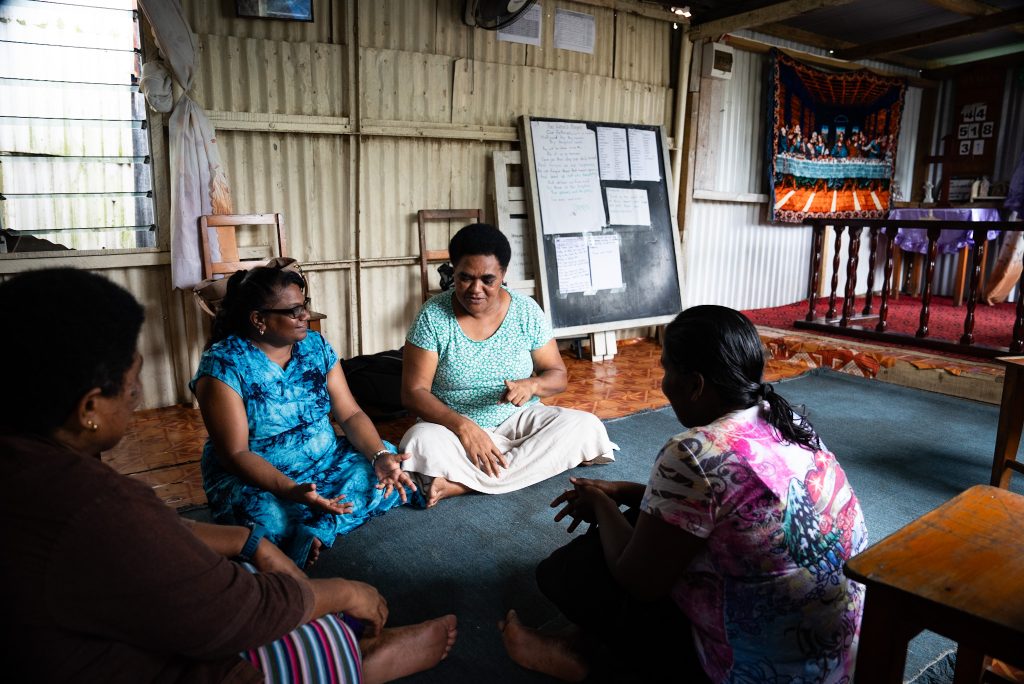
During a recent visit to Oxfam Pacific in Suva, Fiji, I spent the day in discussions with colleagues on the Women Power project — an initiative focused on strengthening women’s leadership and economic resilience across the Pacific.