Young Women Leading Change in Mozambique
A new generation standing up
In Mozambique’s northern province of Nampula, many girls grow up facing difficult choices long before they reach adulthood. Poverty, limited access to information, and long-standing social expectations often push girls toward early marriage and early pregnancy, making it harder for them to stay in school and shape their own futures.
Nearly half of girls in Mozambique are married before the age of 18, and adolescent childbirth remains common in many communities.
But across Nampula province, communities are working to change that reality.
Young people, local organizations and community leaders are coming together to create spaces where girls and young women can learn about their rights, access health services and make informed decisions about their futures.
Through the Stand Up for Sexual and Reproductive Health and Rights initiative, implemented by local partners with Oxfam's support and funding from the Government of Canada, young people are gaining access to information, youth-friendly health services and safe spaces for conversation — often the first place where many feel comfortable asking questions and sharing their experiences.
For many participants, that journey begins with a conversation.
Adelina’s story
Adelina was 14 years old when she first attended a community session organized by OPHENTA, one of the project’s local partner organizations.
At the time, she had many questions about relationships, health and the expectations placed on girls in her community, but few places where those questions could be asked openly.
During the sessions, Adelina learned about sexual and reproductive health and about the rights young people have to make decisions about their own lives.
For her, the experience was transformative.
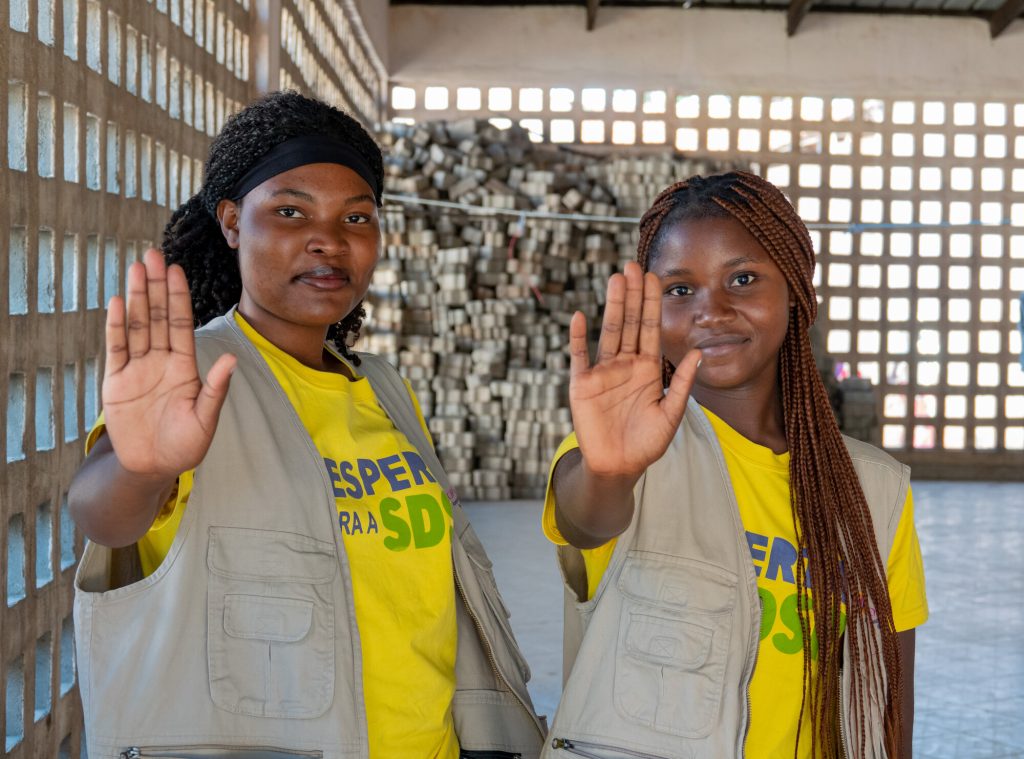
OPHENTA outreach workers who are also leaders in the feminist batucada group. Here they are holding hands up to say: "Stop sexual violence, Stop early forced marriage, Stop early pregnancy". Photo: Jessica Dimande/Oxfam
Today, at 19, Adelina is an “Agent of Change” in her community. She now works with other girls and young women, sharing what she has learned and helping them connect with youth-friendly health services where they can access information and support.
“In the neighbourhood where I work, many girls didn’t know about their rights,” Adelina explains. “Now they are informed and empowered. They can say no to violence, no to early pregnancy and no to early marriage.”
Her story reflects a broader shift happening across the communities where the project works. Young people are not only receiving information — they are helping lead change.
Bringing services closer to communities
Access to healthcare remains a challenge for many young people in rural areas of Mozambique. Clinics can be far away, and stigma or lack of information can make it difficult for young people to seek support.
To help address these barriers, the Stand Up project works closely with AMODEFA, a Mozambican organization that provides youth-friendly sexual and reproductive health services.
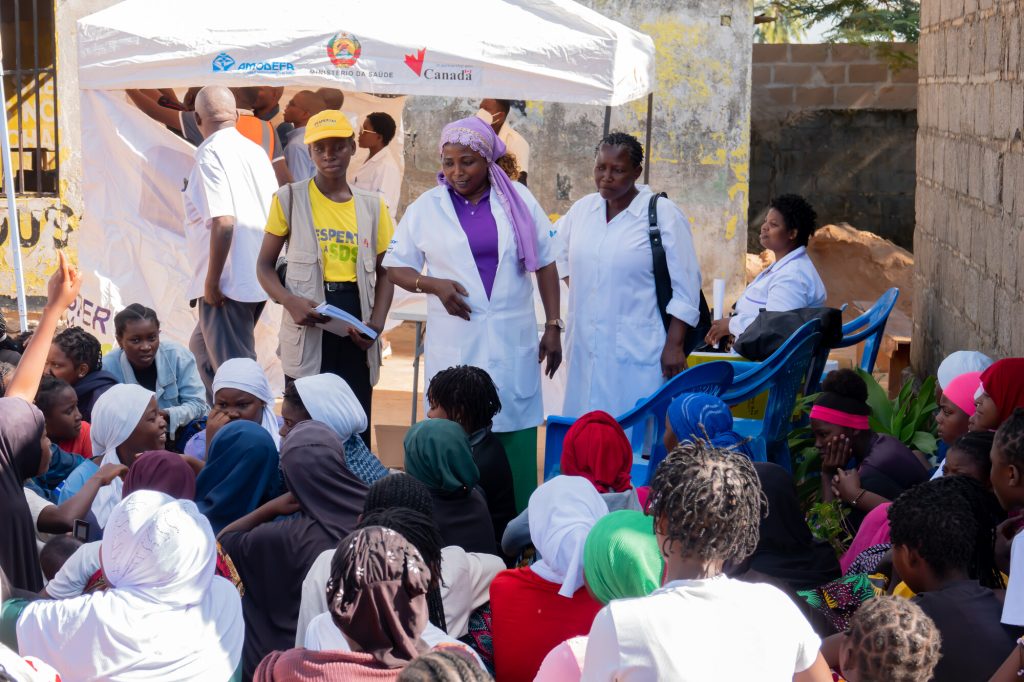
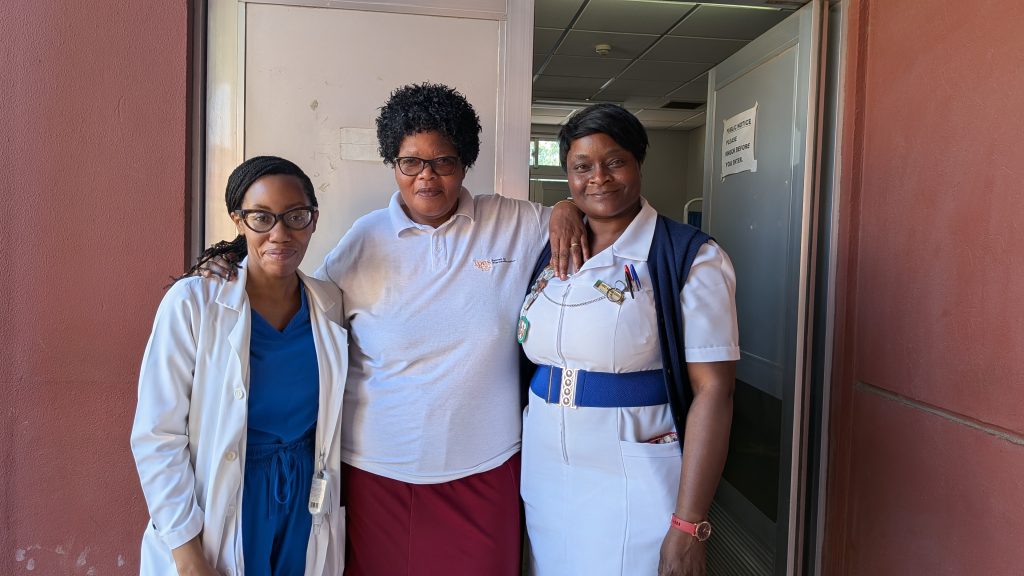
A maternal and child health nurse, a head nurse, who are part of the AMODEFA Health Unit, and an OPHENTA change agent talking about the importance of sexual and reproductive health to the community. Photo: Jessica Dimande/Oxfam
Through mobile health brigades and community outreach, services are brought closer to the people who need them most. These teams offer counselling, health information and referrals, helping young people better understand and care for their health.
Health workers are also receiving training to ensure that services are welcoming and responsive to the needs of young people.
For Stélio Faiela, coordinator of the Stand Up project for AMODEFA, these efforts are helping shift awareness in communities. “When services are offered in the community, people can receive care focused on what matters to them,” he says.
As information becomes more accessible, more young people are seeking guidance and support.
Communities driving change
Change is not happening in isolation — it is being shaped within families and communities.
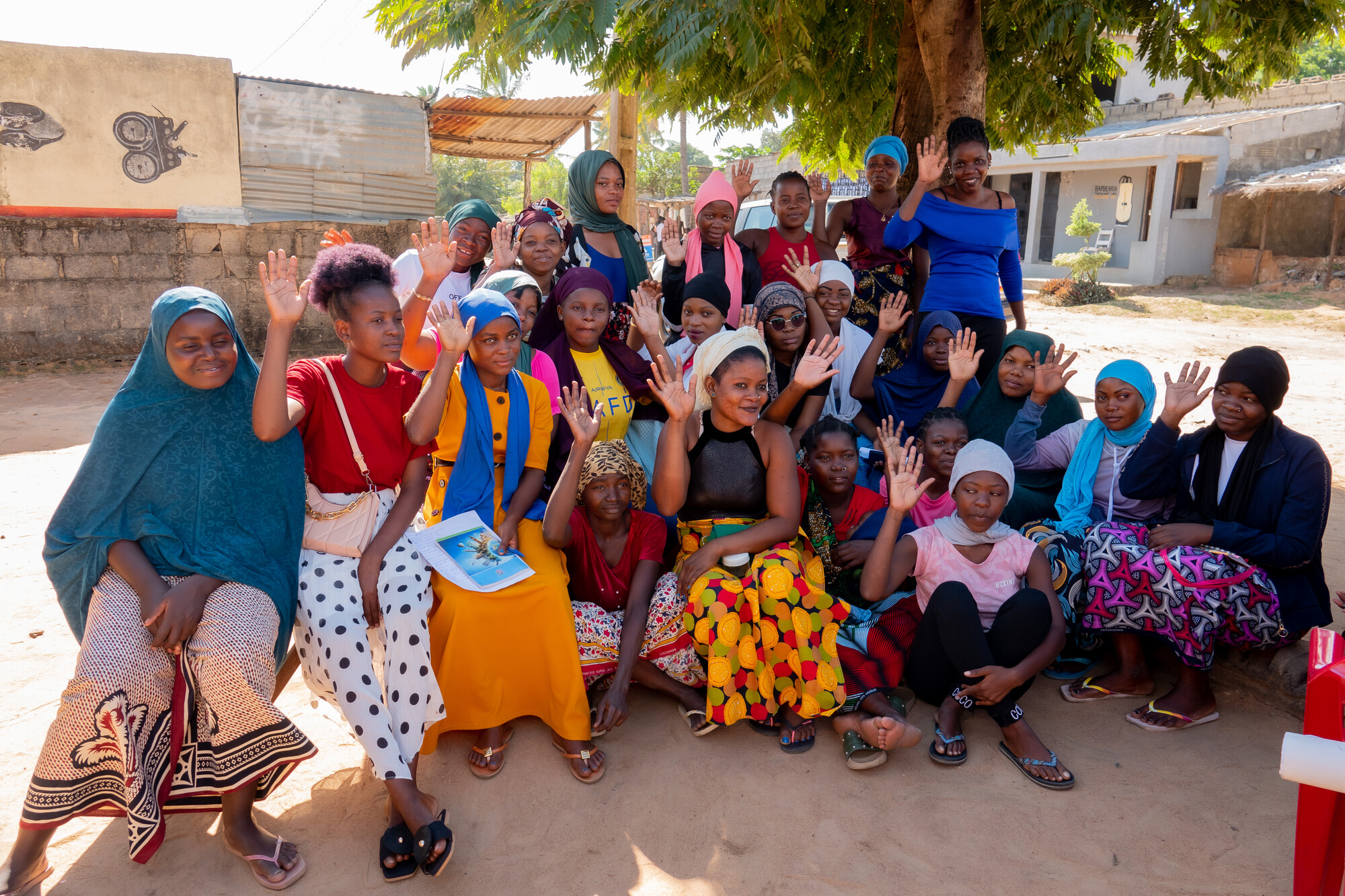
In Mozambique, Stand Up is implemented in three districts in the northern coastal province of Nampula: Nampula City, Nacala, and Mecuburi. Nampula City, Nacala, and Mecuburi together comprise a total population of 1.2 million, with a 51% female population. Photo: Jessica Dimande/Oxfam
Across Nampula province, parents, teachers, religious leaders and local authorities are taking part in conversations about the health and well-being of young people. These discussions are opening space for dialogue around topics that were once difficult to address.
Community committees have also been formed to support young people and encourage conversations about education, health and opportunity.
For many, these shifts begin with awareness.
As one community member shared during project activities, learning about the challenges young people face and the rights they have has helped change how they support girls in their communities.s.
These conversations are helping create environments where girls are better supported to stay in school, access services and make decisions about their own lives.
And increasingly, young people themselves are taking the lead — speaking up, sharing information and helping others navigate the same challenges they once faced.
Looking ahead
The Stand Up project will continue its work in Nampula province until 2028.
Its goal is simple but powerful: ensuring that girls and young women have the knowledge, services and community support they need to make informed decisions about their lives.
Across Nampula, that change is already taking shape. And more and more young women are beginning to imagine futures that look different from the past.
Discover more stories
On International Safe Abortion Day, we celebrate an important truth: rights only matter when people can exercise them. Around the world, progress has been made to advance sexual and reproductive health and rights (SRHR). Laws have changed, policies have evolved, and investments have expanded access to essential services. Yet for many women, girls and gender-diverse people, stigma, discrimination, lack of information, and under-resourced health systems continue to stand between rights on paper and reality.
Decisions about the future of Gaza must be made by Palestinians, with respect for basic human rights and self-determination.