Emergencies That Didn’t Make the Headlines
When an emergency hits, we provide people with the life-saving assistance they need to survive - clean water, sanitation facilities, food, shelter and protection.

Hurricane Otis, Mexico
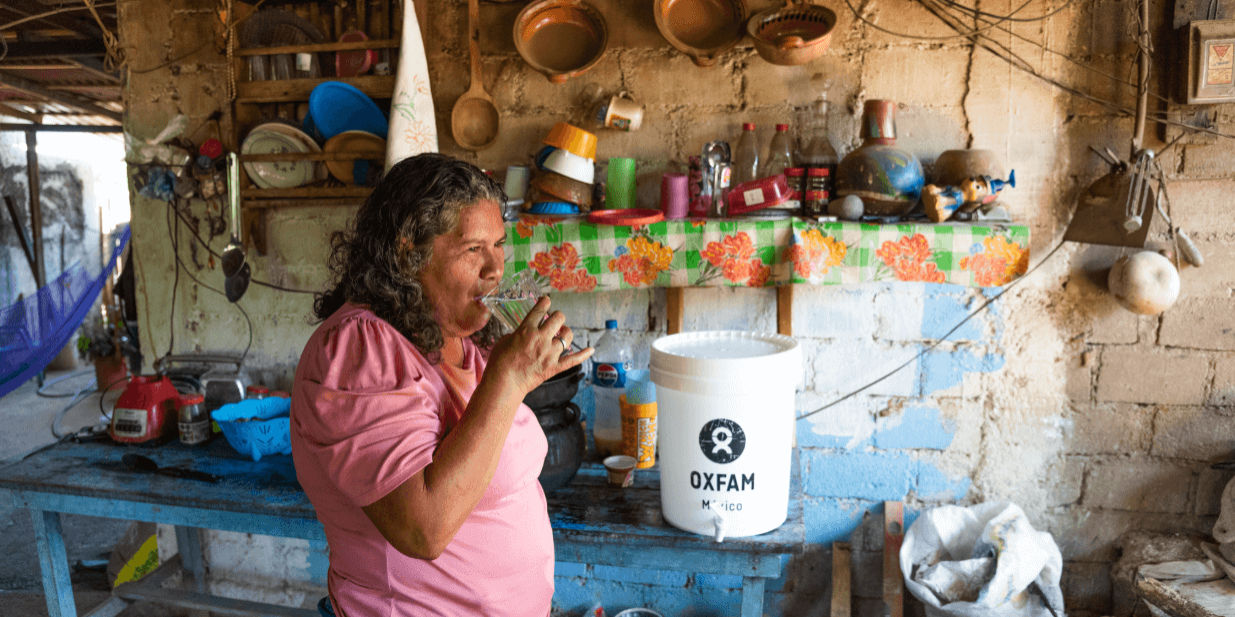
A community member enjoys safe and clean water. Photo: Oxfam Mexico
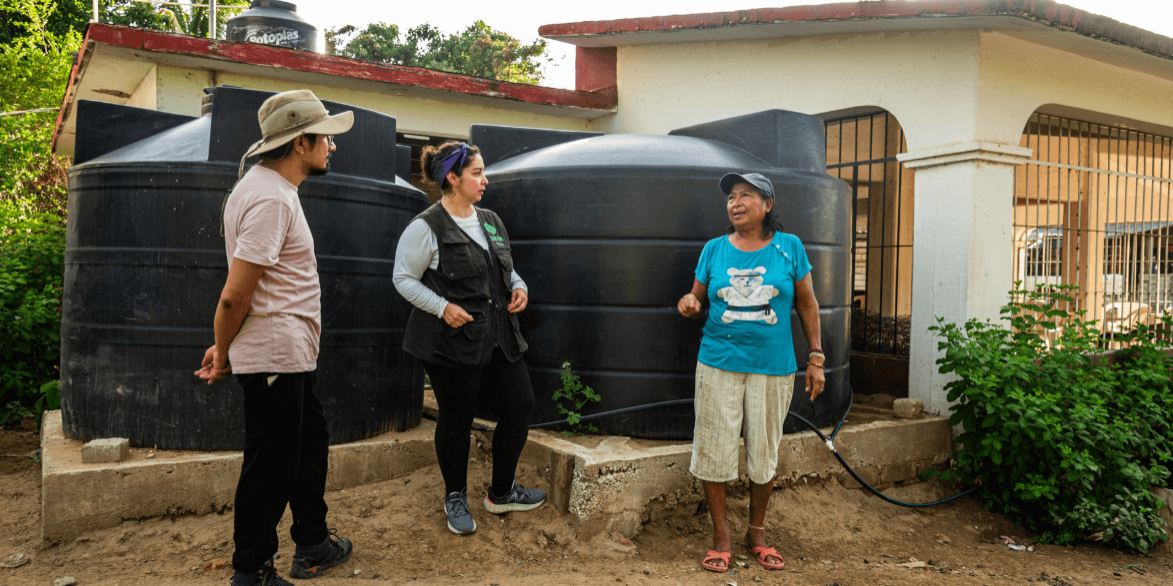
Oxfam staf, in front of newly-installed safe-drinking water stations, discuss with community members impacted by Hurricane Otis. Photo: Oxfam Mexico
IMPACT IN ACTION
- ▶ 10 safe-drinking water stations installed to prevent waterborne disease
- ▶ Community members trained to operate new water purification systems for long-term access
- ▶ Direct consultation with families ensured aid met their most urgent needs
When Hurricane Otis struck Mexico’s Pacific coast in October 2023, it tore through Guerrero state with Category 5 force — the strongest storm ever to hit the region. Entire harvests of maize and beans were lost, leaving families without food or income. Homes were destroyed, safe drinking water contaminated, and women and girls faced heightened risks of violence in the storm’s aftermath.
Oxfam Canada worked alongside local communities in rural Cacahuatepec and surrounding villages to respond quickly. Families were consulted directly on their most urgent needs from soap and detergent to clean water. Oxfam installed safe-drinking water stations, provided hygiene kits, and distributed essential food supplies. Community members were also trained to operate new water purification systems, ensuring safe water long after the emergency.
As one community leader shared: “All that help was beneficial. People no longer had money to buy anything, and these kits balanced us again.”
Floods in Bangladesh
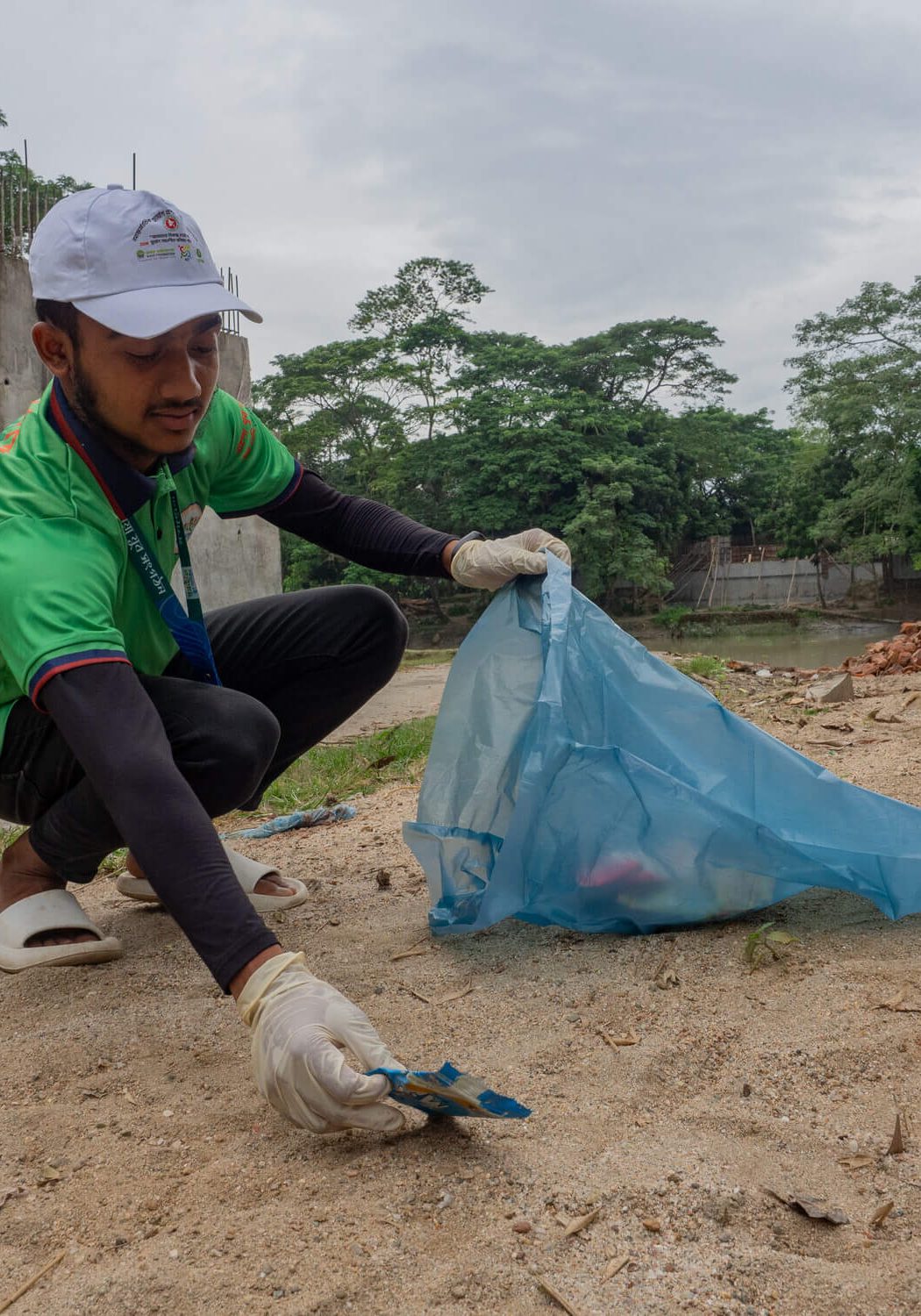
A member of a youth group in Barishal picks up trash to prevent clogging of water channels during floods. The WAVE Foundation, an Oxfam partner, supports this group in its work to reduce disaster risks. Photo: Elizabeth Stevens/Oxfam
IMPACT IN ACTION
- ▶ 27,950 people (5,590 families) reached with life-saving support
- ▶ 100 flood-damaged tube wells repaired, restoring safe drinking water for 7,500 people
- ▶ 14 new community tube wells installed, ensuring reliable access to clean water
- ▶ Emergency latrines built to provide safe sanitation for 7,500 people
In May 2022, flash floods swept through northeastern Bangladesh, submerging villages in Sylhet and Sunamganj. Rivers overflowed dangerously, destroying homes, crops, and infrastructure. Families were forced into crowded shelters while damaged tube wells and toilets left thousands without safe drinking water. Disease outbreaks spread quickly, and women and children faced the greatest risks from hunger and malnutrition to gender-based violence.
Oxfam Canada responded swiftly, reaching nearly 28,000 people with lifesaving support. Families received multi-purpose cash grants to buy food and essentials, helping restore dignity and strengthen local markets. Hygiene kits containing soap, detergent, sanitary pads, and oral rehydration salts, were distributed to prevent disease. To ensure clean water, Oxfam repaired 100 damaged tube wells, installed 14 new ones, and built emergency latrines serving thousands.
These interventions not only saved lives but also helped families recover with greater resilience in one of Bangladesh’s most flood-prone regions.
Super Typhoon Doksuri, Philippines
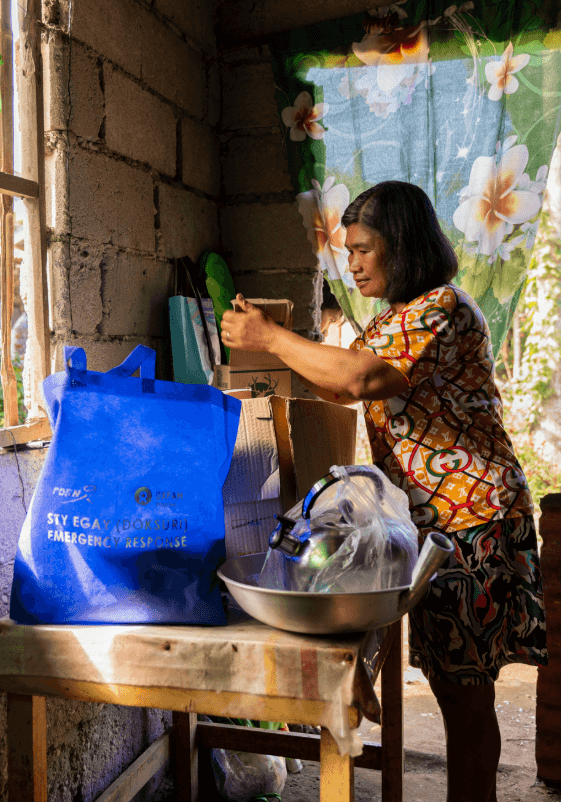
Emigine unpacks an Oxfam-provided shelter kit filled with kitchen essentials. Photo: Oxfam Pilipinas
IMPACT IN ACTION
- ▶ 7,500 people reached with life-saving aid in Cagayan province
- ▶ Families received cash assistance to buy food and essentials
In July 2023, Super Typhoon Doksuri (locally Egay) hit northern Philippines with winds of 175 km/h, torrential rains, and devastating floods. It damaged over 50,000 homes, destroyed livelihoods for nearly 187,000 farmers and fisherfolk, and left communities struggling with food insecurity, water contamination, and disrupted infrastructure.
Oxfam Pilipinas, with support from the Canadian Humanitarian Assistance Fund, reached 23,070 people (5,341 women, 5,502 men, 6,197 girls, 6,030 boys) with lifesaving aid. Interventions included distributing shelter and hygiene kits, repairing safe water points, and providing multi-purpose cash grants for nutrition, especially for pregnant and lactating mothers. Communities also received training on the “Build Back Safer” approach, psychosocial support sessions, child protection referrals, and logistical help for recovering lost legal documents.
For Tita Villon, a widowed rice farmer and day care worker, the aid was vital: “I immediately bought a sack of rice, enough to sustain me and my daughter for a month. The cash aid may not have been substantial, but its value was immeasurable for me.”
Cyclone Mocha, Myanmar
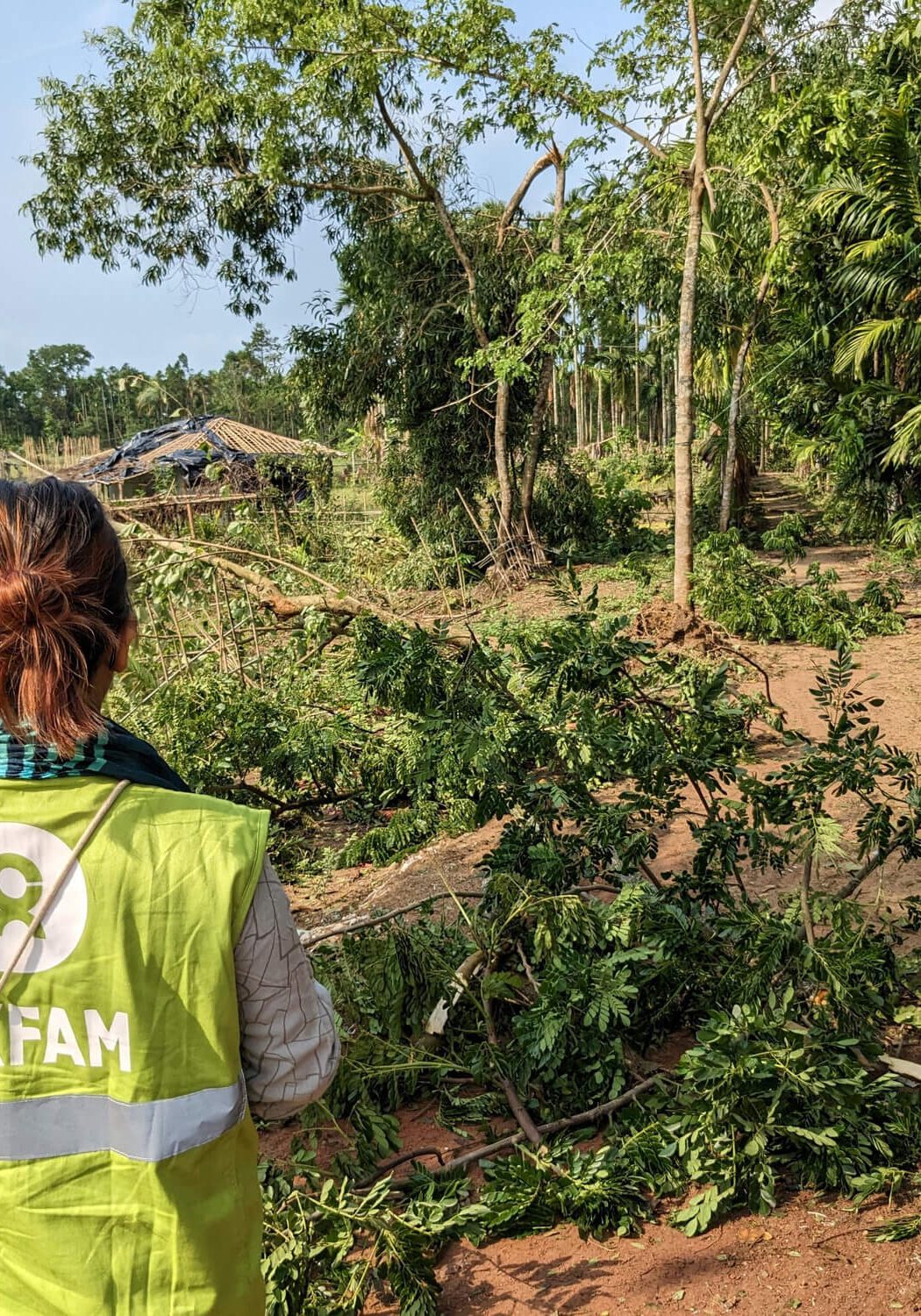
Oxfam's emergency response team on the ground, assessing needs and providing critical aid support after Cyclone Mocha's destructive path through Teknaf. Photo: Mutasim Billah/Oxfam
IMPACT IN ACTION
- ▶ 38,300 people reached with life-saving assistance
- ▶ Distributed shelter kits and trained local carpenters on "Build Back Safer" techniques
- ▶ Cash assistance provided to pregnant and lactating mothers
- ▶ Rehabilitated and repaired safe water points
In May 2023, Cyclone Mocha struck Myanmar’s western coast with devastating winds and torrential rains, causing widespread flooding, destroying homes, and disrupting livelihoods. Thousands of families lost shelter, food supplies, and access to safe water, leaving communities vulnerable to waterborne diseases and protection risks.
Oxfam responded rapidly to support 38,300 people (13,724 women, 12,739 men, 6,144 girls, 5,693 boys). Emergency interventions included distributing shelter and hygiene kits, rehabilitating and repairing safe water points, and providing multi-purpose cash grants—especially for pregnant and lactating mothers. Local carpenters and community members received technical support on the “Build Back Safer” approach, while psychosocial support and child protection sessions helped families cope with trauma. Referral assistance ensured children could access protection services and families could restore critical support structures.
These efforts gave communities the tools and resources to recover and rebuild, helping families regain stability after Cyclone Mocha’s destruction.
Typhoon Kalmaegi response, Philippines
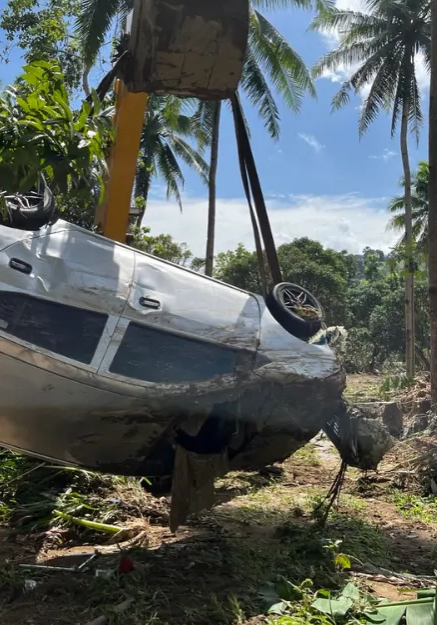
One of the year's strongest typhoons has affected more than 4 million people, leaving many families without clean water, food, shelter and sanitation.
IMPACT IN ACTION (Ongoing)
 Aims to reach 16,000 people across several hard-hit municipalities in Cebu province through WASH, MPCA and Protection support
- Will include repair and construction of water points, water vouchers, toilet repairs with cash for labour, hygiene kits, cleaning kits with community clean up, hygiene promotion, and integrated support to people managing incontinence
- Cash for food and shelter support for the most vulnerable typhoon-affected individuals
- Psychosocial Support Session for children, adults, and first responders; referral support for protection cases, including GBV and legal documentation restoration; cash for care assistance for essential NFIs, laundry and cleaning services, community frontline volunteers; and gender and protection awareness session
The impact of Typhoon Kalmaegi must be viewed within the context of multiple, overlapping emergencies. Several cyclones struck the Philippines since July 2025, and a significant earthquake in September stretched national and local response capacities to the limit, undermining community resilience. Therefore, Typhoon Kalmaegi has hit communities still struggling to recover from previous emergencies and natural disasters.
This proposed humanitarian response aims to address the critical unmet needs of the most vulnerable and underserved communities through an integrated response across three key sectors: MPCA, WASH, and Protection. The intervention will provide essential types of assistance that are often overlooked or inadequately covered in government relief assistance, effectively closing urgent humanitarian gaps. The response specifically targets families in the most affected areas, focusing on unserved and excluded communities, including women, children, men, and LGBTQIA+ individuals.
Surigao del Sur earthquake response, Philippines
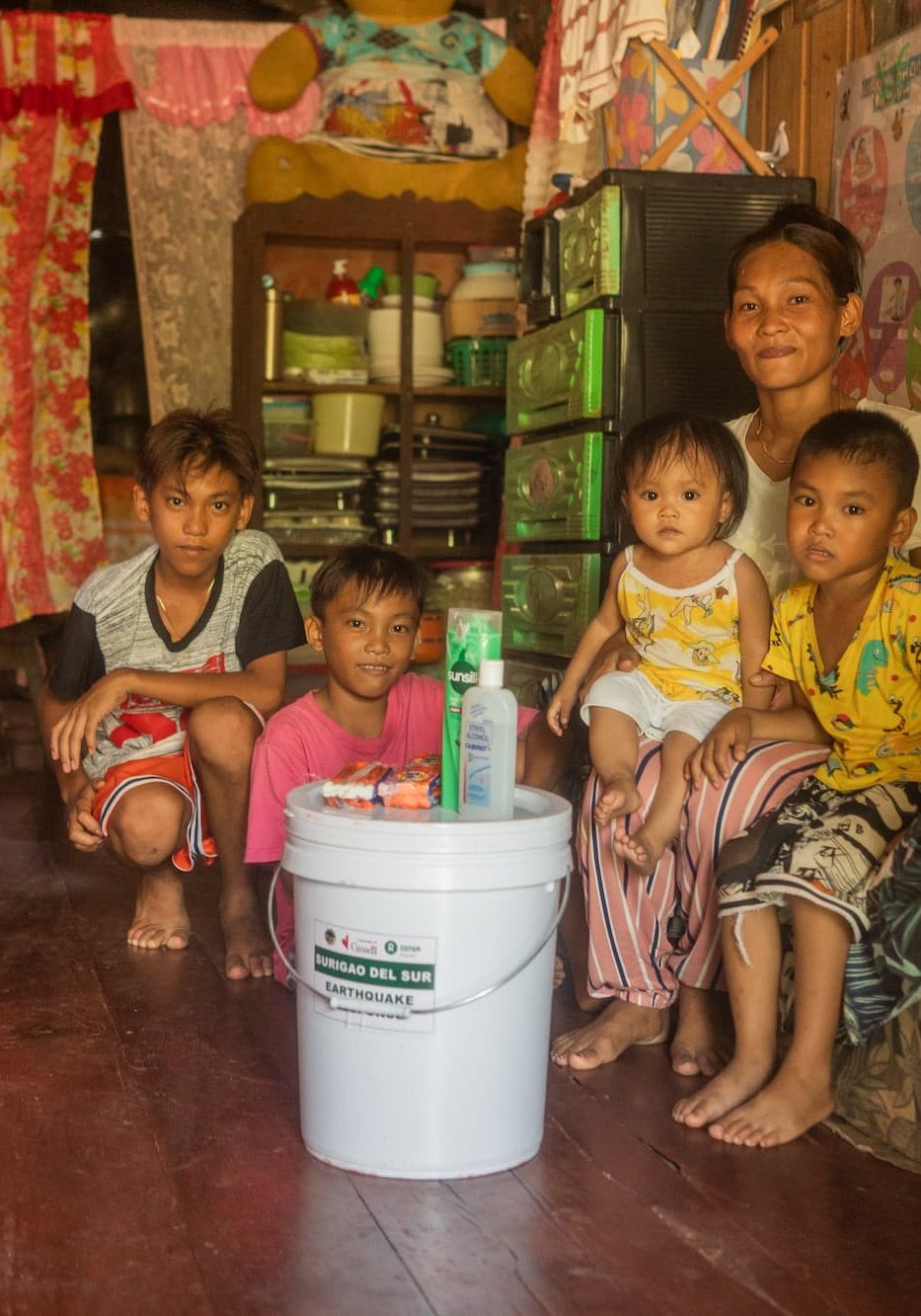
Cherry Astronomo lives in the rural area of Barangay Villaverde, Tagbina in Surigao del Sur. She received Hygiene Kits from Oxfam Pilipinas and its partner Community Organizers Multiversity (COM) after the earthquake. Photo: Vina Salazar
IMPACT IN ACTION
- 15,496 people reached across four municipalities
- Provided 750 shelter kits and cash for repair to affected families with damaged or destroyed homes
- Distribution of 2,500 hygiene kits, with inclusion of specialized menstrual health components for certain beneficiaries
- Provision of cash-for-care aimed at helping 650 pregnant and lactating women, elderly persons, persons with disabilities to access non-food items based on their needs (e.g. undergarments, sleeping foams, clothes for infants and children, towels, medicine, etc.)
- Conducted community awareness sessions on protection, gender, GBV, SRHR, care work, referral pathways to 2,043 people
- Facilitated community-based psychosocial support sessions for adults and children affected by the earthquake for 1,634 people
Oxfam’s emergency response addressed the immediate needs of the most vulnerable and hard-to-reach families in the Province of Surigao Del Sur who were not included as government beneficiaries and had not received any humanitarian assistance.
The response prioritized the provision of MPCA to 7,595 people, as well as unconditional cash to support the nutritional requirements of pregnant, lactating mothers, and the elderly. It also included sanitation and hygiene strengthening, gender and protection awareness, cash for care and support in accessing referrals in protection cases.
Shelter kit provision and cash for repair distribution were complemented by orientation and technical support for local carpenters on Build Back Better principles of shelter construction for future resilience and local capacity building.
Kenya Flood Response
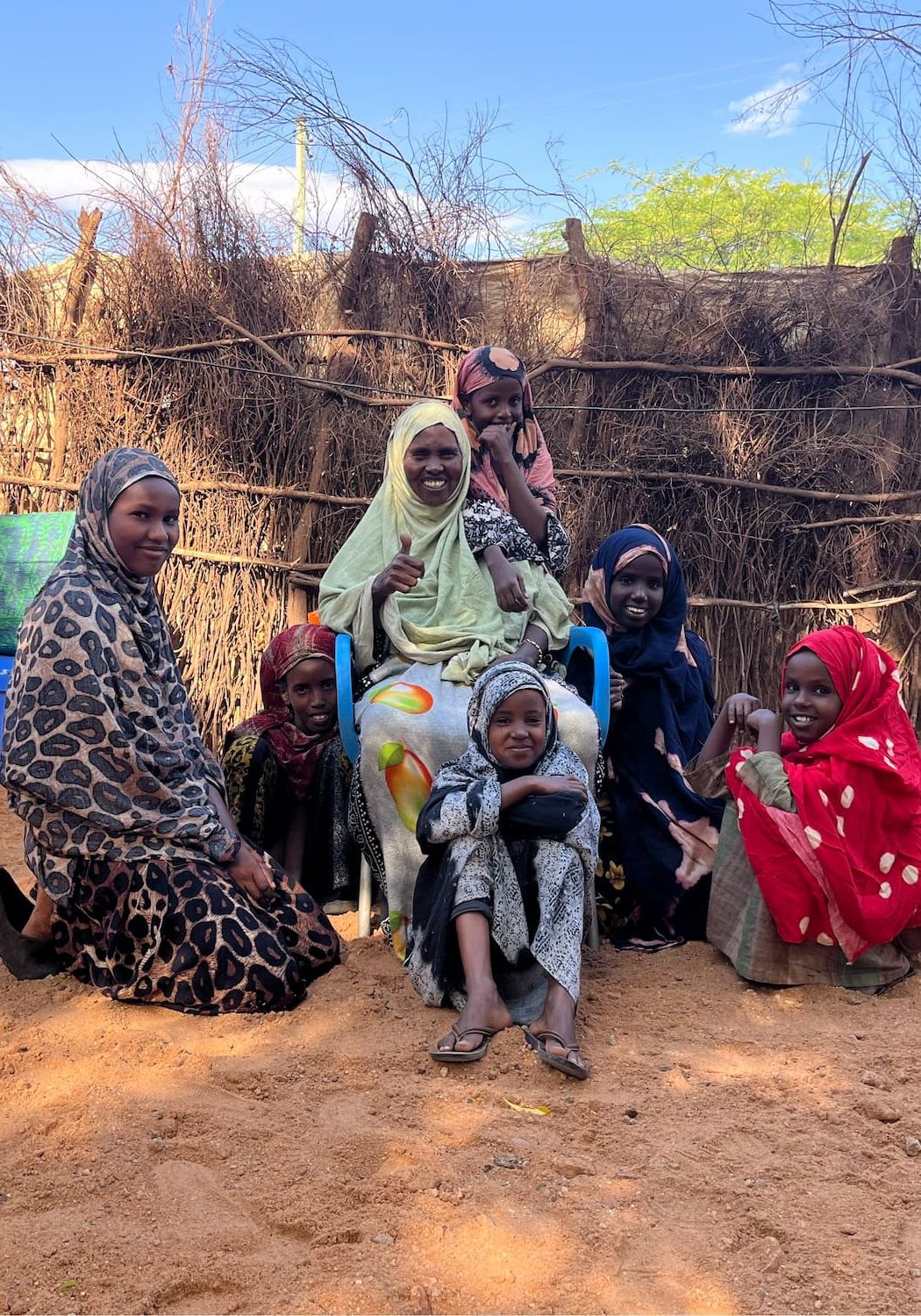
Marwa is a beneficiary of a two-month cash transfer program. She used the funds to purchase a donkey cart, which has become a vital source of income for her family
IMPACT IN ACTION
- 10,588 people reached across two counties
- Rehabilitation and repair of 10 water systems in two different counties, serving at least 19,853 people and allowing them access to safe and clean water
- Construction of 22 emergency toilets and bathing areas and 36 handwashing stations, serving 2,047 people
This flood response project was implemented in Tana River and Garissa Counties in Kenya, two of the areas hardest hit by severe flooding. Under the WASH pillar, the response improved access to safe water, sanitation and hygiene services through the rehabilitation, construction and repair of key water points. It provided 1,374 people from 400 households with WASH and shelter kits, as well as dignity kits for vulnerable women and girls and hygiene kits for 2,587 people from 660 households.
A total of 36 Community Health Promoters were trained on WASH and epidemic control, supporting hygiene promotion and behaviour change communication, alongside community engagement sessions that reached 10,588 people.
The response also supported food security by providing multi-purpose cash assistance (MPCA) to 3,441 people from 705 households, alongside nutrition campaigns, education sessions on dietary diversification and malnutrition, and the distribution of essential waste management tools and supplies. In addition, 103 malnourished children and women were referred to nearby health facilities.
Protection mechanisms were strengthened through community dialogue and sensitization sessions on harmful practices and gender-based violence, as well as referrals for medical, mental health, psychosocial and legal support to 33 vulnerable individuals and survivors of SGBV.
El Niño induced flood response, Somalia
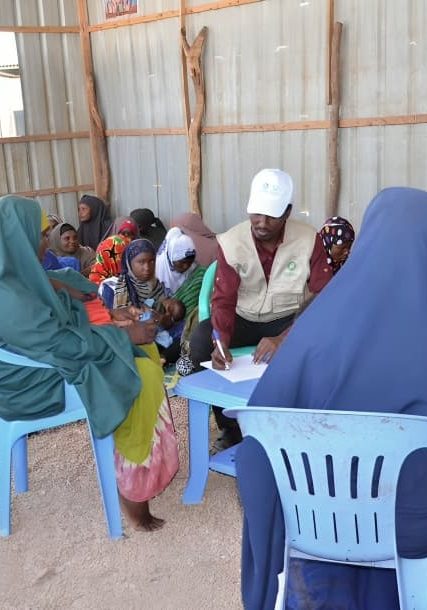
Registration of beneficiaries for MPCA in Beletweyne. Photo: Abdullahi Salad
IMPACT IN ACTION
- 7,109 people reached in the most flood-affected districts of South-Central Somalia
- Two rounds of MPCA (multi-purpose cash assistance) provided to 7,109 of the most vulnerable flood-affected people – many displaced and living in IDP camps
- The flexibility of the MPCA allowed beneficiaries to freely choose what to spend the cash on, based on their specific, immediate needs
- Post-Distribution Monitoring (PDM) was conducted in order to assess the impact of cash assistance
The government of Somalia declared a national emergency on 6th November 2023 after severe flash and river floods hit many locations in the south of the country, impacting the most vulnerable populations living in low-lying areas and flood-prone settlements.
Oxfam, in partnership with local partner Zamzam Foundation (ZZF), implemented Cash Assistance, which reached 7,109 individuals and 1,000 households in the most flood-affected districts of South-Central Somalia.
The majority of MPCA beneficiaries were female-headed households, and they reported spending the cash assistance on urgent needs such as food, water costs, repayment of food-related debts, medicines/health costs, as well as children’s education, firewood, and household items.
Davao del Norte Flooding, Philippines
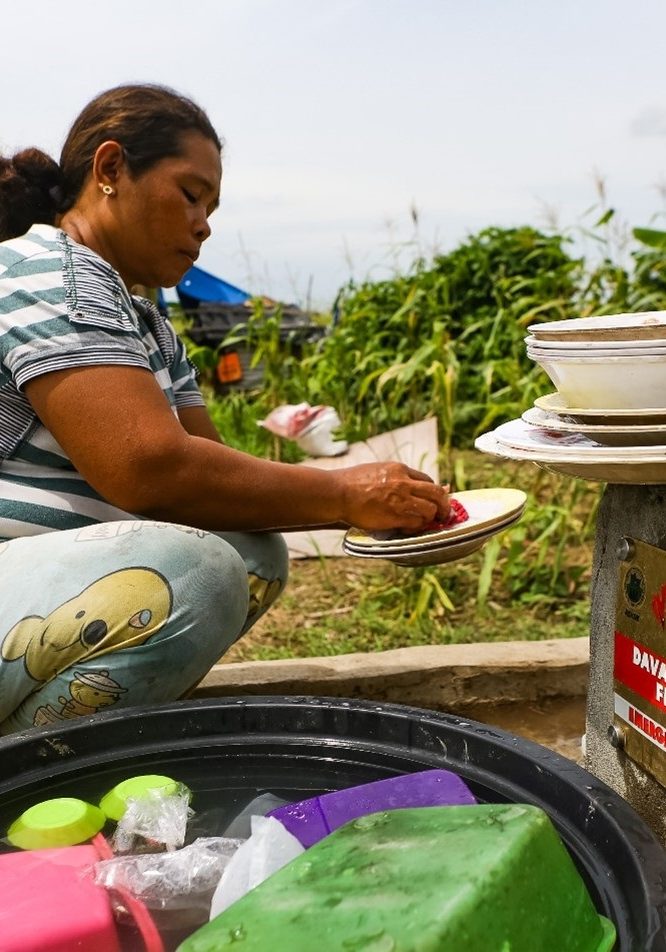
Now that we have our own hand pump, we don’t have to endure long walks to fetch water, to wash our laundry as well as to fetch our drinking water. Besides, we don’t have to worry where to get our budget to be able to buy our drinking water,” said Perlita, a mother of five children. Photo: Keith Bacongco
IMPACT IN ACTION
- 20,107 people reached across four municipalities
- 6,250 people received multi-purpose and conditional cash assistance for food and basic needs
- 11 water systems installed or rehabilitated, reaching 8,583 people
Severe flooding in Davao del Norte Province left communities in Kapalong, Asuncion, Braulio E. Dujali and Carmen struggling to recover, especially those in remote areas not covered by government assistance. Women, children, elderly people, persons with disabilities, and pregnant and breastfeeding women were among the most affected, with homes damaged or washed away and access to food, shelter and clean water disrupted.
Oxfam Pilipinas and RDISK reached 20,107 people — surpassing the original target of 18,850 — by prioritizing communities with the greatest unmet needs.
Cash assistance supported 6,250 people to meet urgent food and basic needs. Shelter support, including kits, vouchers, non-food items and technical guidance on Build Back Better-Safer principles, helped 3,176 people access safer shelter.
The response also improved water, sanitation and hygiene services for 8,583 people through water system rehabilitation, kit distribution and hygiene promotion. In addition, 2,098 vulnerable individuals accessed gender and protection information and services through community-based sessions.
Nepal Floods & Landslides Nepal
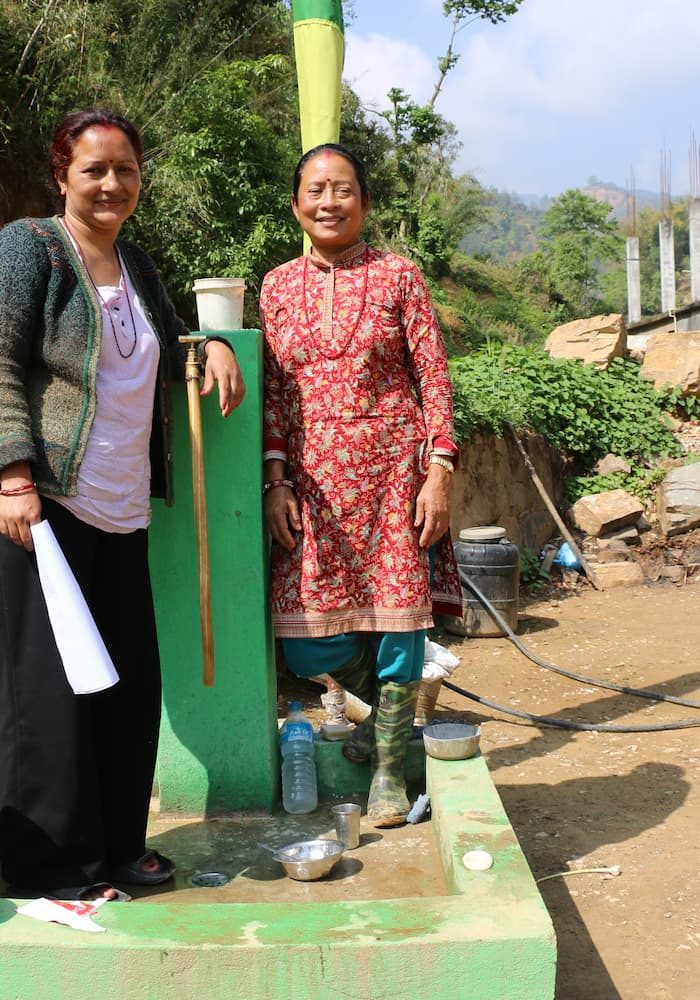
Sumira Lopchan (53) and Sunita Koirala (32) no longer have to travel to fetch water for her family. Photo: Rachana Mukhia/Oxfam
IMPACT IN ACTION
- 6,691 people directly reached with emergency support
- WASH, food and non-food assistance delivered across two districts
- Gender equality and disability inclusion integrated across the response
Floods and landslides in Dhading and Kavrepalanchowk (Kavre) districts left vulnerable communities facing urgent food insecurity and limited access to clean water and essential services. Pregnant and lactating women, elderly people, children under five, displaced families, and at-risk households were prioritized in the response.
The project reached 6,691 people directly and had an indirect reach of 20,879 people. Support included water, sanitation and hygiene services, emergency food assistance, non-food items, and gender and protection programming.
Gender equality, disability inclusion, and safeguarding were integrated across all sectors. Women and marginalized groups were included in consultation and decision-making processes, strengthening access, accountability and ownership. The project met, and in several cases exceeded, its objectives while delivering timely and dignified support that strengthened resilience and preparedness for future disasters.
Severe Tropical Storm Trami, Philippines
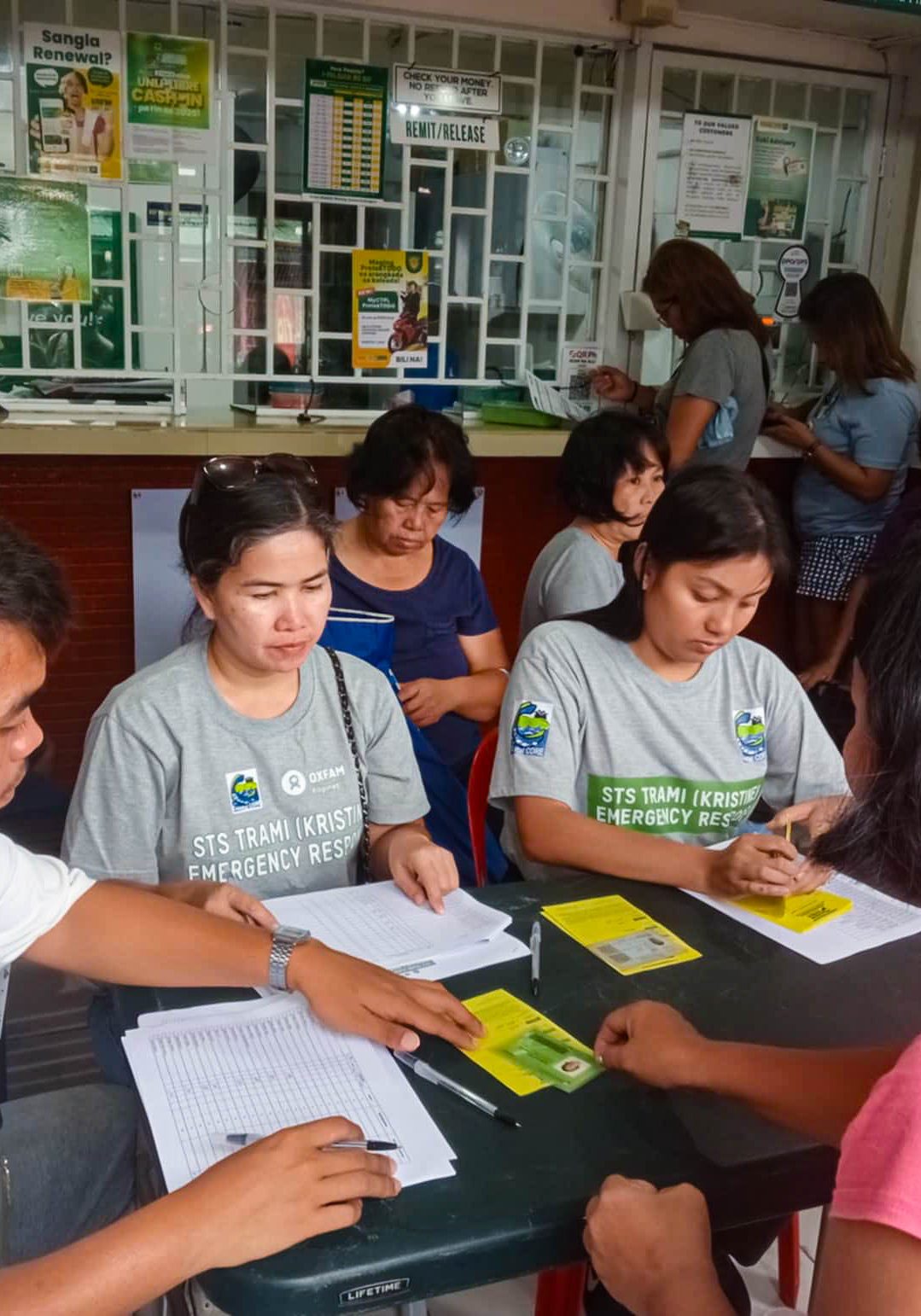
The emergency response provided vital assistance to over 20,000 individuals affected by the severe flooding brought by STS Trami, surpassing the initial target of beneficiaries reached. Photo: Thony Rom Bea/Coastal Core Inc.
IMPACT IN ACTION
- 20,379 people reached with cash, WASH and protection support
- 10 water points repaired, rehabilitated and improved
- 100 vulnerable mothers received maternal and newborn kits
Severe Tropical Storm Trami caused widespread flooding in Nabua and Bula, Camarines Sur, exceeding previous events in both scale and impact and leaving communities without reliable access to food, safe water, shelter and basic services, especially in the first two weeks after landfall.
The response reached 20,379 people, including older people and persons with disabilities. Cash assistance supported families to cover food, medicine, shelter repair, clothing and seed capital for home-based livelihoods.
Safe drinking water was restored through water quality testing and the repair and improvement of ten water points, alongside hygiene promotion and community information campaigns. Thirty-three barangay health and day care workers were trained to lead gender and protection awareness sessions.
Sexual and Reproductive Health and Rights missions targeted communities with high rates of teenage pregnancy and violence against women and children. One hundred vulnerable mothers received maternal and newborn kits, survivors received one-time cash support for legal and logistical costs, and 107 people were assisted in replacing or recovering lost legal documents, often for the first time.
Cyclone Chido, Mozambique
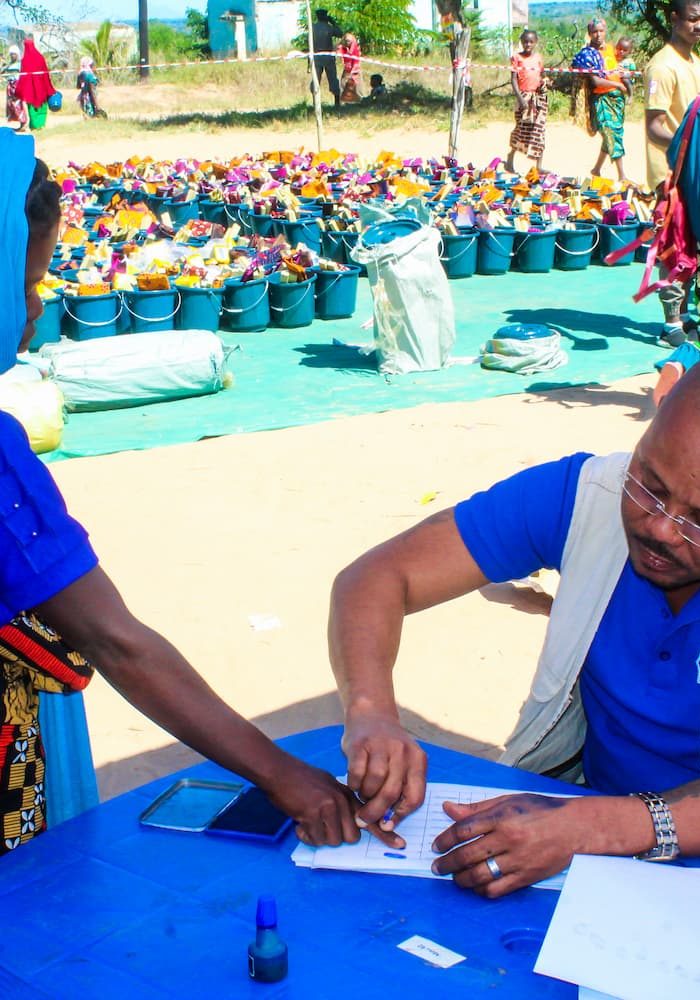
Dignity kits were distributed to 5,000 women and girls. Photo: David Lourenço Bartolomeu/ADEL
IMPACT IN ACTION
- 6,747 people reached with life-saving assistance
- 1,860 individuals supported through cash and voucher programming
- 5,000 women and girls received dignity kits
- Facilitated health promotion and awareness raising sessions to 10,550 people including discussions on menstrual hygiene management and basic health practices
Tropical Cyclone Chido struck Mecufi District in Cabo Delgado Province on December 15, 2024. As of December 20, 2024, 120 people had died and 329,565 people were affected, including 216,930 in Cabo Delgado. A total of 65,293 families were impacted, with widespread damage to shelter, health, education, water and sanitation systems, food security, livelihoods and protection services.
Oxfam’s response provided voucher and cash-based assistance to 1,860 individuals from the most vulnerable families so they could meet urgent needs such as food and essential household items. Family kits including utensils, blankets, hygiene materials and clothing are being distributed to households that lost their possessions.
At least 5,000 women and girls of sexual and reproductive age received dignity kits that included information and education materials to support them in addressing, reporting and seeking help related to protection risks and gender-based violence.
Myanmar Earthquake, Myanmar
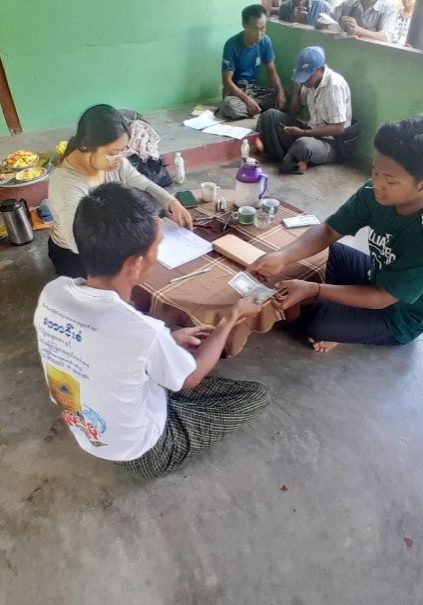
U Win Ko was able to improve his family’s sanitation practices, as a recipient of cash for hygiene kits. Photo: Ni Ni Myint
IMPACT IN ACTION
- 11,460 people reached with WASH, protection and cash assistance
- Facilitated hygiene promotion and awareness sessions which reached 996 individuals on topics such as proper sanitation methods, handwashing practices, increased use of latrines, and importance of safe water handling
- Constructed 90 new latrines across the 3 affected townships, benefitting 1,996 individuals / 499 families with improvements in critical sanitation and overall hygiene conditions
- Provided Individual Protection Assistance (IPA) to 500 vulnerable individuals facing heightened protection risks such as GBV and requiring Mental Health and Psychosocial Support Services (MHPSS), either through referrals to or direct support from GBV service providers
- Distributed multi-purpose cash assistance (MPCA) to 3,338 individuals from 1,000 HHs, prioritizing women-headed households, those caring for PWDs, and IDPs
On March 28, 2025, a 7.7 magnitude earthquake struck central Myanmar, with its epicentre near Mandalay, causing widespread destruction across Mandalay and Sagaing Regions. Entire neighbourhoods were severely damaged, making it the strongest earthquake recorded in the country in the past 100 years. Oxfam’s response focused on water, sanitation and hygiene (WASH), protection and cash assistance across five townships.
In Mandalay Region, densely populated urban areas saw extensive damage to homes, hospitals, schools and critical infrastructure, while disruptions to water and sanitation systems increased the risk of disease outbreaks, including acute watery diarrhoea, especially for those in temporary shelters.
In Sagaing Region, the response targeted rural and peri-urban areas affected by ongoing conflict, prioritizing households with young children, pregnant and lactating women, elderly people and persons with disabilities.
The response improved access to hygiene and sanitation, provided multi-purpose cash assistance (MPCA), and addressed protection risks through awareness activities, individual support and referrals for women and girls.