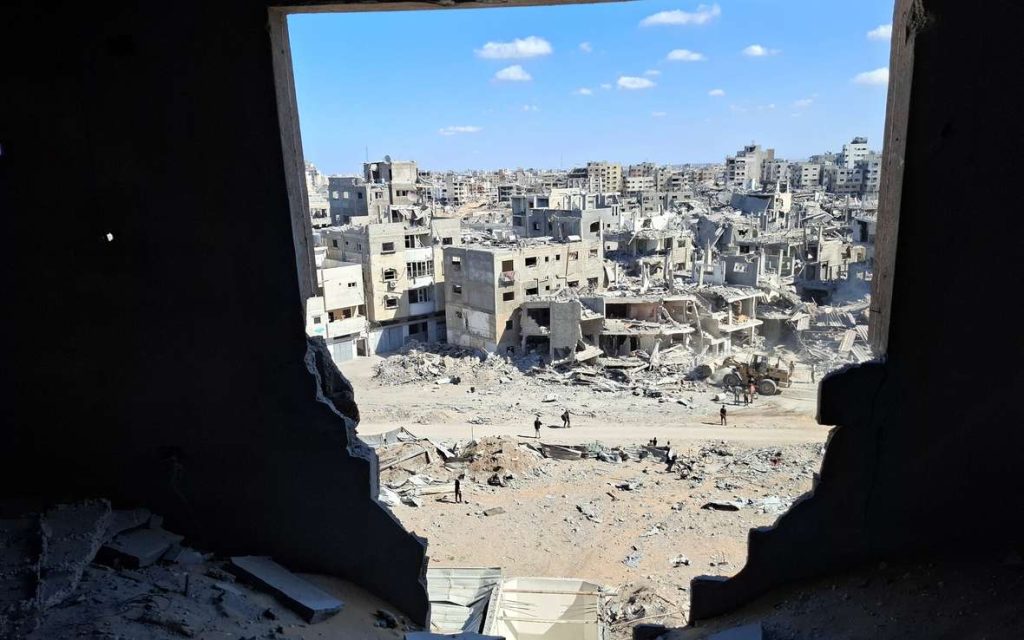
When Water Returns, Communities Begin to Recover
In communities across Zambia and Malawi, access to clean water shapes nearly every part of daily life. It affects whether children can stay in school, whether mothers can safely care for their babies, whether health clinics can function and whether families can recover from climate shocks with dignity.
But as climate change intensifies, reliable access to water is becoming harder to sustain.
Across Southern Africa, the 2023-2024 El Niño-induced drought brought one of the most severe dry spells in recent years. Long periods without rain deepened existing challenges in communities already facing poverty, strained infrastructure and limited public services.
This World Environment Day, as the world braces for a potential super El Niño, stories from Zambia and Malawi offer a reminder that climate resilience is not only about responding to environmental crises. It is also about ensuring communities have the systems, resources and support they need to adapt and recover.
Restoring time, dignity, and the ability to learn in Siakabamba, Zambia
In Siakabamba community in Zambia’s Southern Province, access to clean water had long been difficult. The 2023–2024 El Niño-induced drought only deepened the crisis, making water scarcity part of everyday life.
For Clodia Simalape, a 25-year-old mother, collecting water once consumed much of the day. “Getting water was very difficult for us,” Clodia recalls. “We had to walk long distances just to draw water, and most of our day would be spent doing that.”
The only available water source was overcrowded, forcing women and girls to spend hours waiting for their turn. Time that could have gone toward caring for children, earning an income or managing household responsibilities was instead spent searching for water.
“By the time you came back home with water, the day was already gone,” she says.
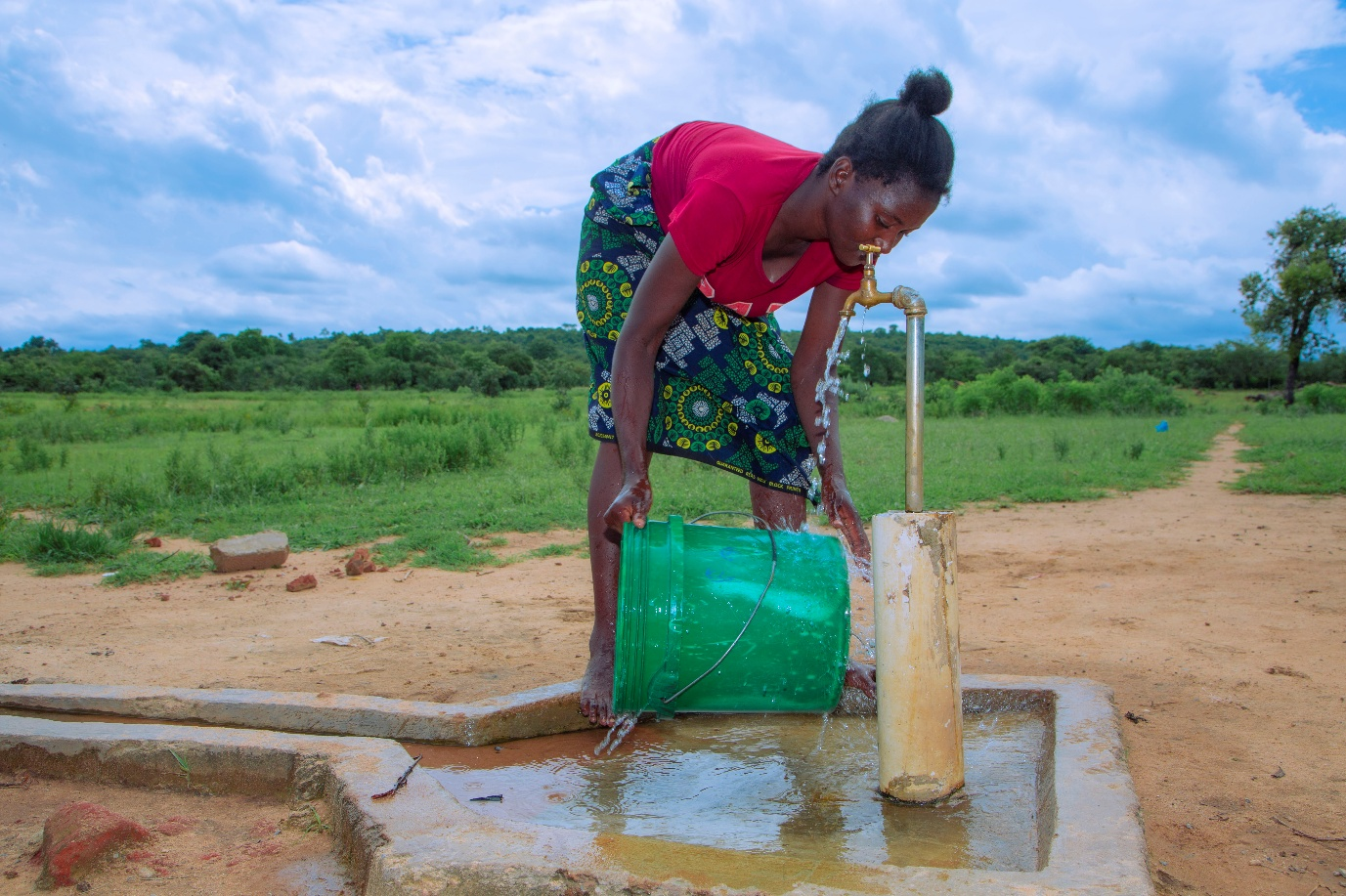
Clodia Simalape, a 25-year-old mother living in Siakabamba Community in Sinzaze, now has reliable access to clean water. Photo: Eric Malyangu/ Oxfam
At Siakabamba Secondary School in Zambia, which serves 680 pupils, frequent water shortages repeatedly disrupted learning. The school relied on a single borehole system with aging pipes that broke down often, forcing students to spend time fetching water instead of attending lessons.
“Whenever the pipes broke, the school would go without water,” explains Head Teacher Teddy Simuunza.
Through Oxfam’s Integrated Emergency Response for El Niño-Induced Drought project, supported by Global Affairs Canada and implemented alongside local partners, a reliable water supply system was installed at Siakabamba Secondary School, extending access to surrounding households as well.
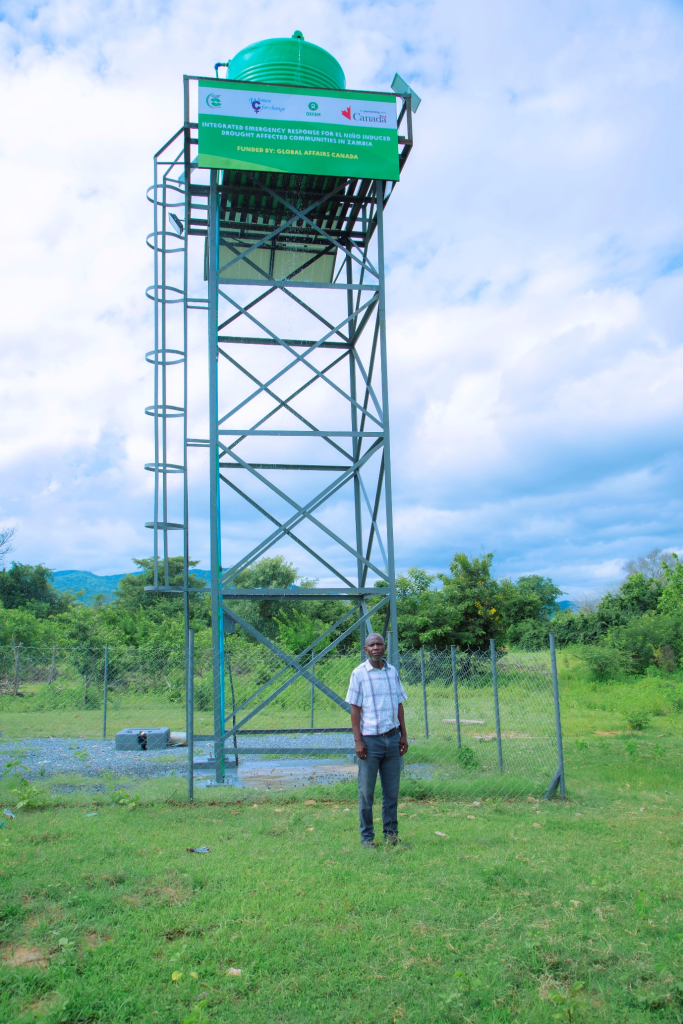
A solar-powered water pump and storage tank installed through the project now provide a reliable water supply independent of electricity outages. The improved water system has also benefited approximately 200 surrounding households and allowed the school to establish a garden that helps generate income for school improvements, including purchasing furniture, reducing school fees and funding student activities.
Now, families can collect clean water much closer to home. “I no longer spend hours fetching water, and I have time for other activities,” Clodia says.
“Teachers can now teach freely and effectively, and pupils attend classes regularly with better concentration,” Simuunza says.
Clean water improves care at Sinzaze Rural Health Facility, Zambia
At Sinzaze Rural Health Facility in Zambia, unreliable water access had long affected patient care and sanitation. The clinic previously relied on an electric water pump that frequently failed during power outages, leaving healthcare workers and patients without water during critical moments.
“There were times when patients were forced to come with their own water in order to be attended to,” says Obbie Ngulube, an Environmental Health Technician at the facility.
The lack of water created serious challenges, particularly in the maternity ward, where hygiene and sanitation are essential.
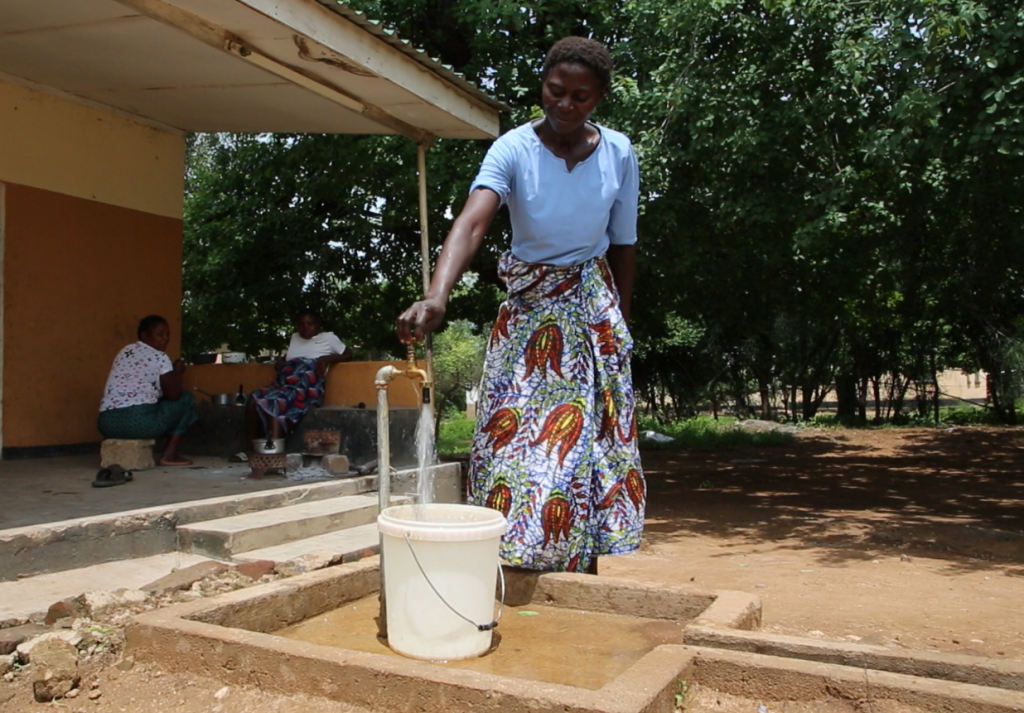
Following the installation of a solar-powered water system and storage tank through the project, the facility now has a consistent supply of clean water. Toilets are functioning, hygiene conditions have improved and expectant mothers are arriving at the clinic with greater confidence.
“Having enough water has really improved hygiene, especially for the babies,” says Junza Siatwambo, a mother who delivered at the facility. “Washing babies properly is very important for their health, and now we are able to do that without difficulty.”
Today, Sinzaze Rural Health Facility stands as an example of how access to clean, reliable water can transform healthcare delivery.
Communities rebuilding water systems in Chikwawa, Malawi
In Machokola Village in Chikwawa District, Malawi, more than 85 households spent over six months without a functioning borehole after their only water source broke down. Residents were forced to collect water from neighbouring villages, where overcrowding and tensions often created unsafe and undignified conditions.
“It was either you fetch water under very hostile environments, or you crowd around one borehole, which was not very sanitary,” explains Chitani Frank, Chairperson of the village’s Umodzi Committee, which is responsible for managing the water point.
Through Oxfam’s drought response project, the borehole was fully rehabilitated, and community members received training on maintenance and long-term management.
“They taught us how to fix small problems that may occur,” says resident Chitani Frank. “Seven area mechanics also took part in the training, and we contact them whenever we face a challenge that we cannot handle ourselves. This is really helping us maintain the borehole.”
Today, the village has restored access to clean water, and households are contributing monthly funds toward future repairs to help ensure the system remains sustainable.
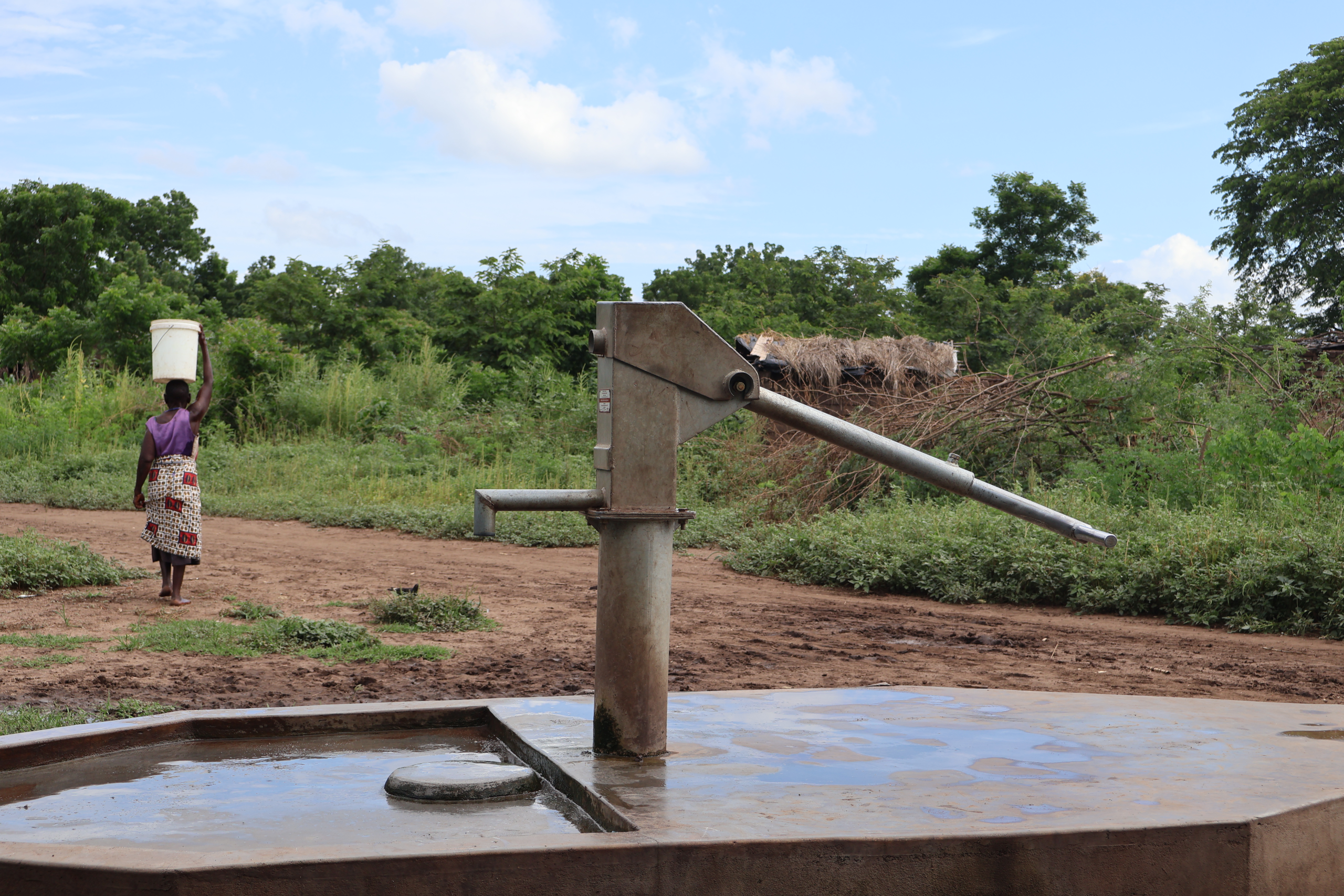
A rehabilitated borehole in Machokola Village that has improved access to clean and safe water. Photo: Veronica Mwale/ Oxfam
Climate change continues to place enormous pressure on communities across the world, particularly where existing infrastructure and services are already stretched thin. But these stories also show what becomes possible when communities have access to reliable, climate-resilient water systems.
Water allows children to stay in school. It helps mothers care for their families safely. It supports health workers, strengthens communities and restores time, dignity and opportunity. As climate change continues to deepen existing inequalities, reliable access to water remains critical for communities working to recover and rebuild.
Help bring clean water and resilience to more communities by donating today.
Discover more stories
On International Safe Abortion Day, we celebrate an important truth: rights only matter when people can exercise them. Around the world, progress has been made to advance sexual and reproductive health and rights (SRHR). Laws have changed, policies have evolved, and investments have expanded access to essential services. Yet for many women, girls and gender-diverse people, stigma, discrimination, lack of information, and under-resourced health systems continue to stand between rights on paper and reality.
Decisions about the future of Gaza must be made by Palestinians, with respect for basic human rights and self-determination.