What is community-led care? Meet the women building support across the care journey
What is community-led care? Meet the women building support across the care journey
Care is often spoken about as something personal, a private responsibility that happens inside the home. But for many families, care is collective, moving through communities, across generations, and beyond the walls of a single household.
This Black History Month, two Black-led organizations offer a grounded example of what community-rooted care looks like in action.
Jessica Johnson, a full-spectrum doula, founder of Rooted Birthwork Collective and founding member of the National Collaboration for Doula Access, supports families at the very beginning of life, from preconception through postpartum, grounding her practice in reproductive justice and community-led birthwork. Tanya Hayles, founder of Black Moms Connection, supports mothers long after birth, through a global community of over 50,000 Black moms and a childcare centre designed with cultural and community intention.
Their work exists along different parts of the care journey, but together, it tells one story: care is infrastructure, built through community, lived knowledge, and intention.
Community-led birthwork as liberation
For Jessica, care begins before a baby ever arrives.
Jessica describes herself as a full-spectrum doula, supporting clients from preconception through the first year after birth.
As a Canadian born to Jamaican parents, Jessica grounds her work in a collective model of care, a foundation that helps shape her work as a doula. “I was raised by the Jamaican community in Ottawa, so it’s nice to be able to provide that support for some of our clients in this more holistic way of caring for parents, especially in their first year.”
For Jessica, liberation is about returning power to families. And it is not abstract–it shows up in practice. “Doulas are gap-fillers,” she says. In many cases, that gap exists because families are navigating unfamiliar or inadequate care systems, facing immigration barriers like not having access to OHIP, or struggling to access essentials like cribs and car seats. “We’re showing up as doulas, as social workers, as counsellors... we wear multiple hats,” Jessica says. This work often extends far beyond delivery day. “If the client can have someone who can see them alongside their journey, however long that journey is, that will help reduce those barriers so that they feel confident and knowledgeable navigating medical and social systems.”
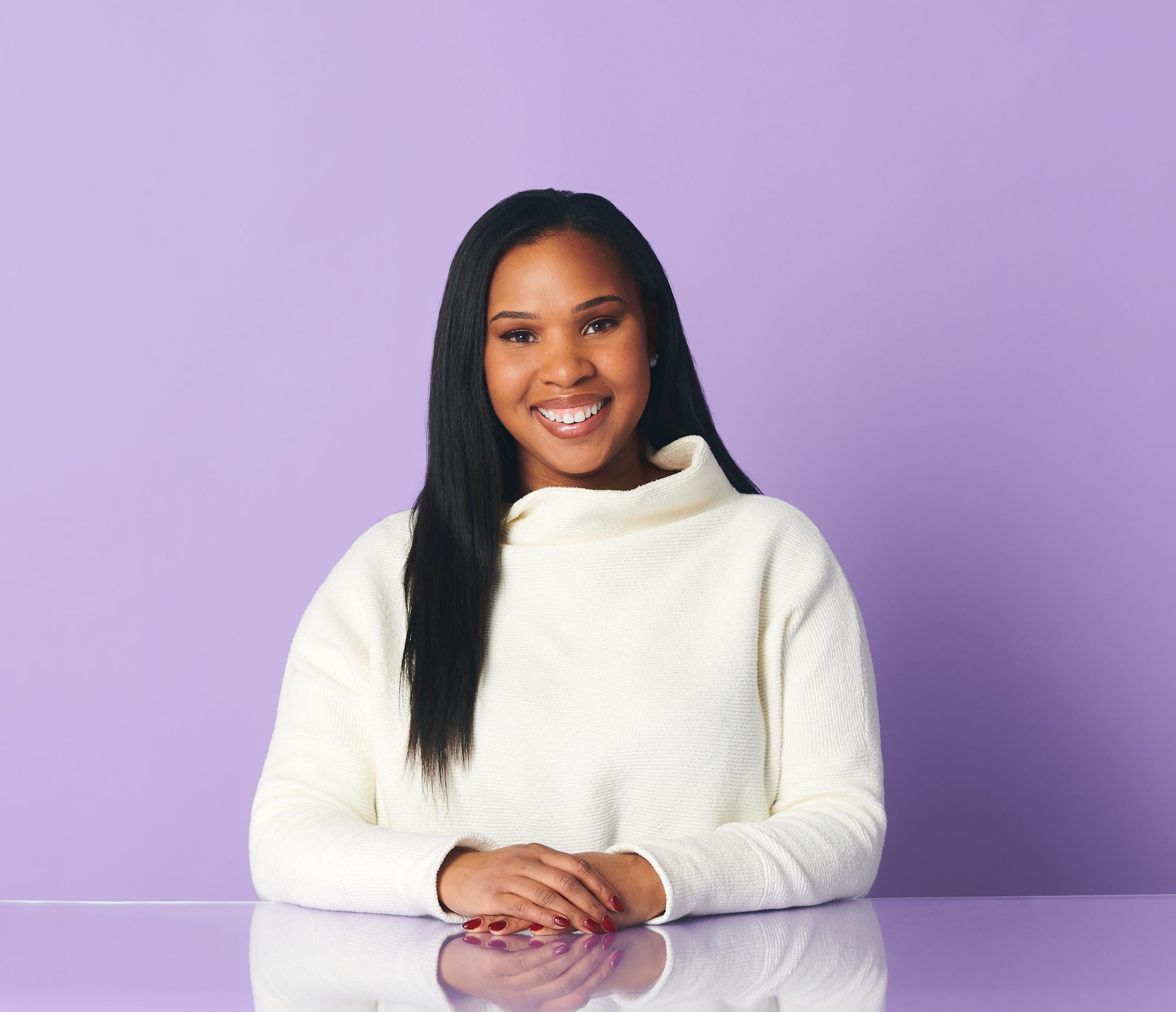
Rooted Birthwork Collective and NCDA are grounded in a reproductive justice framework, the decision to have children, not have children, and to parent safely. This framework shows up in Jessica’s work every day.
“By giving that power back to the doulas and the clients who are receiving their care, that to me is power, that to me is freedom. Because you’re no longer reliant on someone else telling you how to take care of yourself and prepare for having a baby. You’re setting the stage for your family from the onset, and how this child is going to go into the world versus the powers that be telling you. Standing firm in that, and having confidence in that is the liberation component."
When asked what a better system would look like, Jessica describes care that respects lived knowledge, care models that recognize doulas as essential, and community-led support that continues beyond birth. “I think it’s an attitude shift. It’s understanding that these people are the most knowledgeable about their lives. I believe that a healthy family is going to reduce the demand on the healthcare system. So, making sure that the system integrates different forms of care, and that this care goes beyond this person just being pregnant and then delivering, and then they go home.”
If birth is the beginning, she reminds us, it is only the smallest part of becoming a parent. “You have the rest of your child’s life to parent,” she says. “That’s the longest piece.”
When care extends beyond birth
If birth is only the beginning, motherhood is the journey that follows.
Like Jessica’s birth work, Black Moms Connection centres lived knowledge and collective care.
Black Moms Connection began on a hot summer day at a splash pad, Tanya explains. “My son was just under two at the time, and it was really hot, and I was like... wait, do they make sunscreen for Black people?” she says. “I’m a Gen Xer, so like most elder millennials and Gen Xers, I was on Facebook in different mom groups. But it wasn’t a space where I could ask diverse questions and get culturally relevant answers.” So she asked eight friends a simple question: if she started a space specifically for Black moms, would they join?
“They said yes, of course, because they’re my friends,” Tanya says. “And it was born. The goal was ultimately to create a safe space for Black mothers to connect and share their experiences. As Black mothers, there are certain things that are universal to motherhood, you know, getting your kids to eat vegetables or getting them to bed on time. But there are things that are very specific to the Black motherhood experience.”
For Tanya, those differences shape how Black Moms Connection shows up for families. “Having a conversation with your children about racism is an inevitability for Black moms,” she says. So, support means creating space for mothers to talk openly about navigating authority and bias, conversations that may not always feel safe elsewhere. It also means questioning assumptions built into everyday systems. Tanya recalls using a federal budgeting tool that estimated the average Canadian spends $40 a month on hair. “I have never, ever spent that,” she says. “So, am I bad at budgeting, or is the tool not considering my hair care needs?” For her, culturally relevant support includes challenging those default norms and designing resources that reflect lived realities.
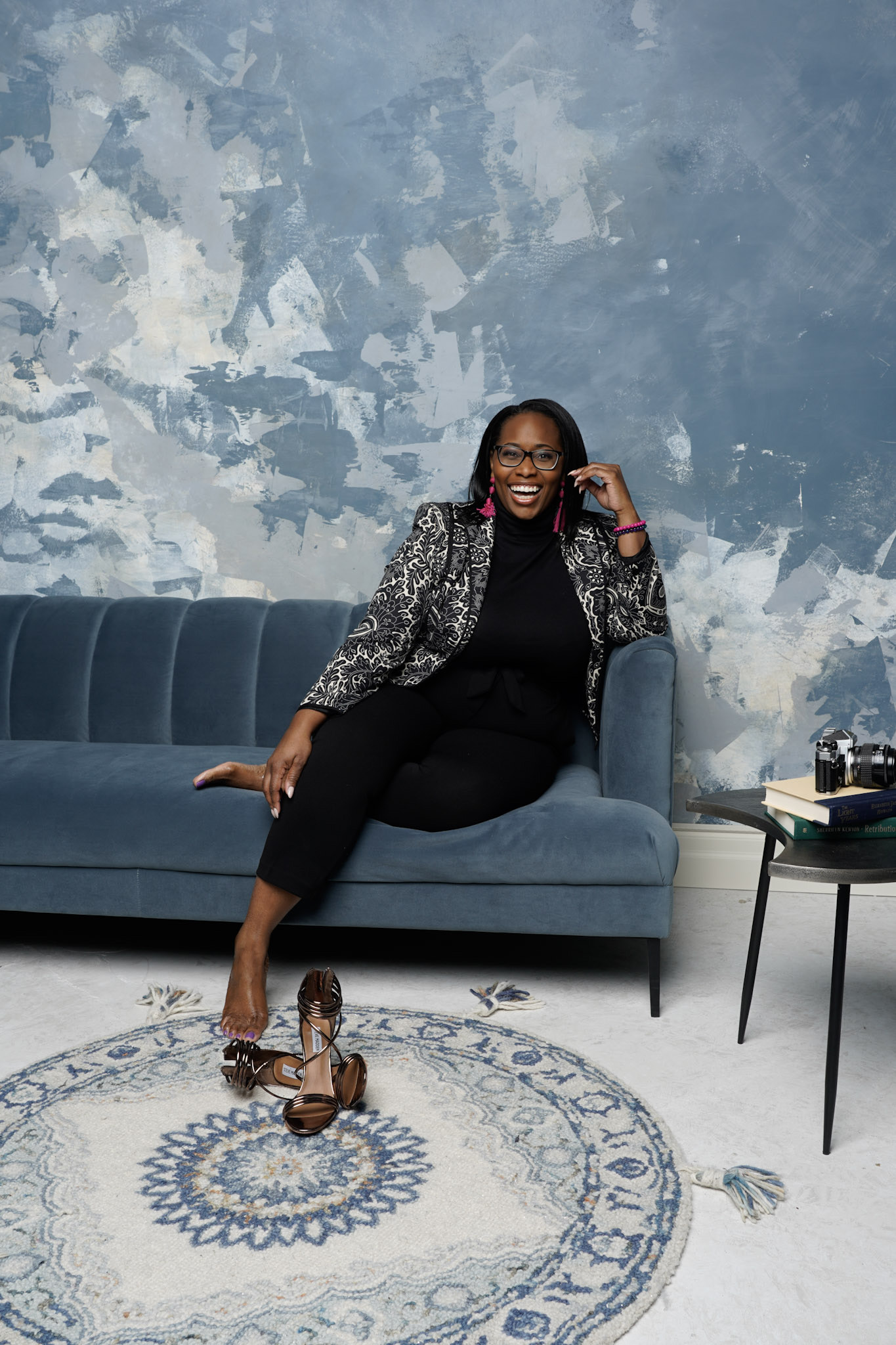
“Oftentimes, if a Black person brings up an issue, even in 2026, we’re told that we’re self-victimizing or playing the race card, and then our concerns are not listened to. There is not a single institution not impacted by racism,” Tanya explains. “Whether it’s housing, or policing, or education, or medicine. So, I think just having a space where you can be seen and heard goes a long way, which is why the community continues to grow.”
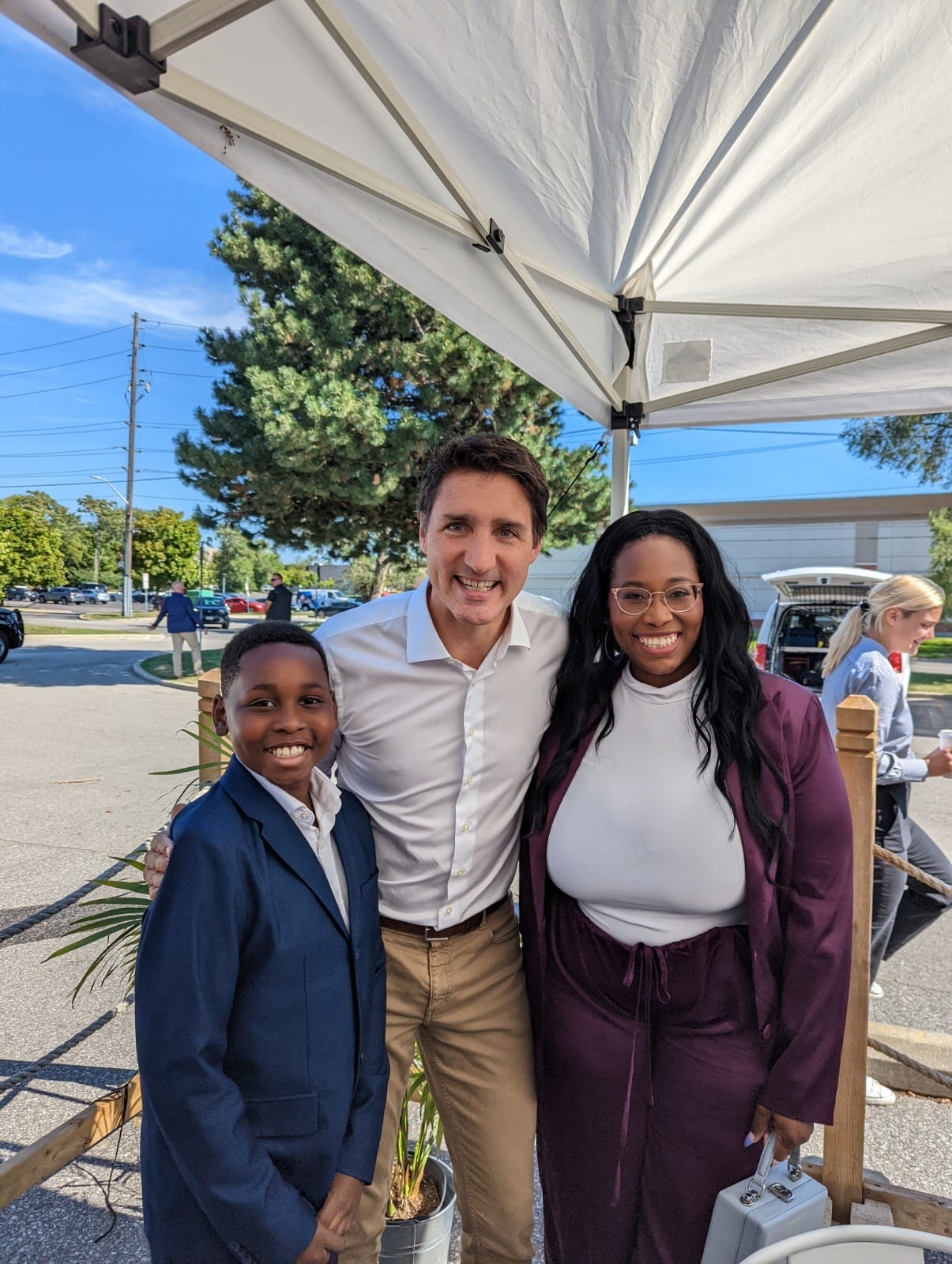
That commitment to intentional care is now taking physical shape.
Black Moms Connection was recently approved for funding for its first childcare centre in Toronto, Wunderly House. For Tanya, the vision is simple but deliberate: a space designed with culture at its centre and built around the realities of working families.
“We know that the world of work is different, it’s not 9 to 5. The people who work shift work and after hours tend to be women, racialized women. So, we will have slightly extended hours for parents to come pick up their kids. We will be a place that is culturally sensitive from the onset, because of who we are as an organization. So, thinking through what that means in terms of the dolls, the books, the training."
"All children should have a place where they all feel safe and warm and included. It’s about extending what childcare means and looks like.”
Community-rooted care is infrastructure
Jessica’s work begins before a baby arrives. Tanya’s carries that support forward. Together, they are advancing a community-rooted version of care, building spaces where families are supported, believed, safe, and recognized as experts in their own lives.
When care is community-led, it looks different. It integrates doulas as essential providers, creates spaces where mothers are believed without having to justify their realities, and designs childcare around the schedules and cultures of the families it serves.
From birth rooms to online communities to childcare centres, care is being built with intention, shaped by the women who know firsthand what families need.
Learn more about NCDA and Rooted Birthwork Collective.
Learn more about Black Moms Connection.
Discover more stories
At Oxfam Canada, we believe that fighting inequality requires challenging the systems that create and sustain it. That’s why our commitment to anti-racism, JEDI, and decolonization is not a side project-it’s at the heart of everything we do.
Water is a right, not a luxury. Despite that, on this World Water Day, clean water remains out of reach for millions of people. In Yemen alone, more than 17.8 million people, including 9.2 million children, lack reliable access to safe drinking water.