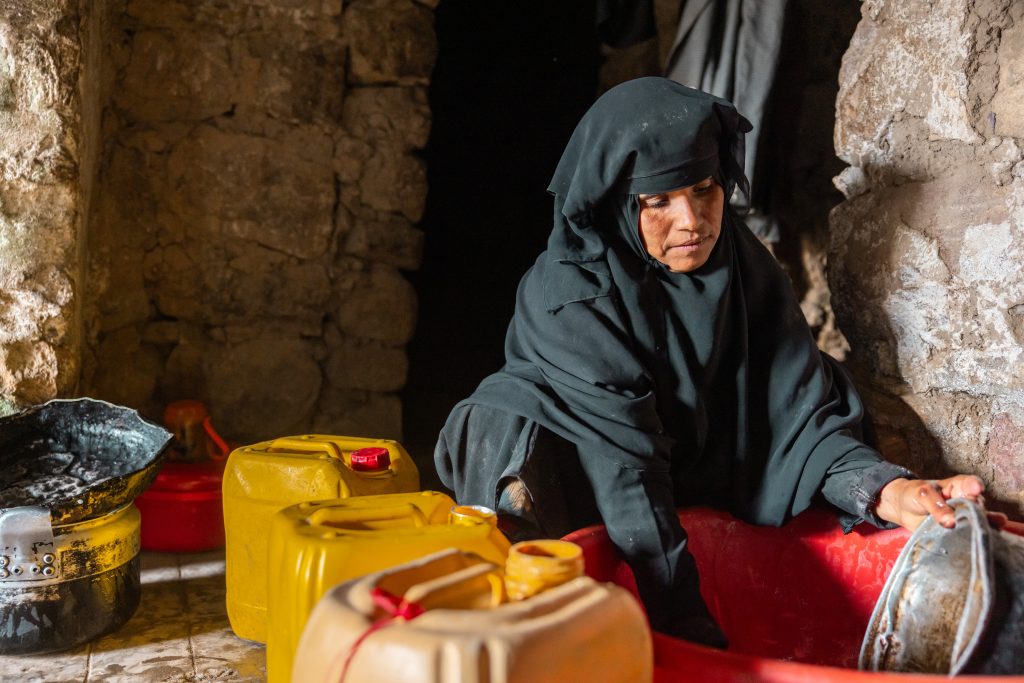
Staying and Delivering Aid in Gaza
The situation in Gaza remains devastating. Families are living through immense loss while access restrictions, damaged infrastructure, and ongoing insecurity continue to limit the delivery of humanitarian aid. Despite this restrictive environment, Oxfam remains fully committed to staying and delivering assistance to the Palestinian people in Gaza to the maximum extent possible.
Oxfam continues to work through our staff, local partners, and, where possible, procurement from local markets. Our Gaza-based team is directly involved in implementing the response every day. Maintaining a strong local presence allows us to stay connected to the communities we serve and respond as conditions change.
Responding Despite Blockages
For months, formal supply requests to Gaza have been blocked. Despite severe impediments, systematic obstruction, and recent registration measures imposed by Israel, Oxfam and our partners have continued delivering life-saving support. Palestinian staff and partners have kept operations going, finding every possible way to reach families in need.
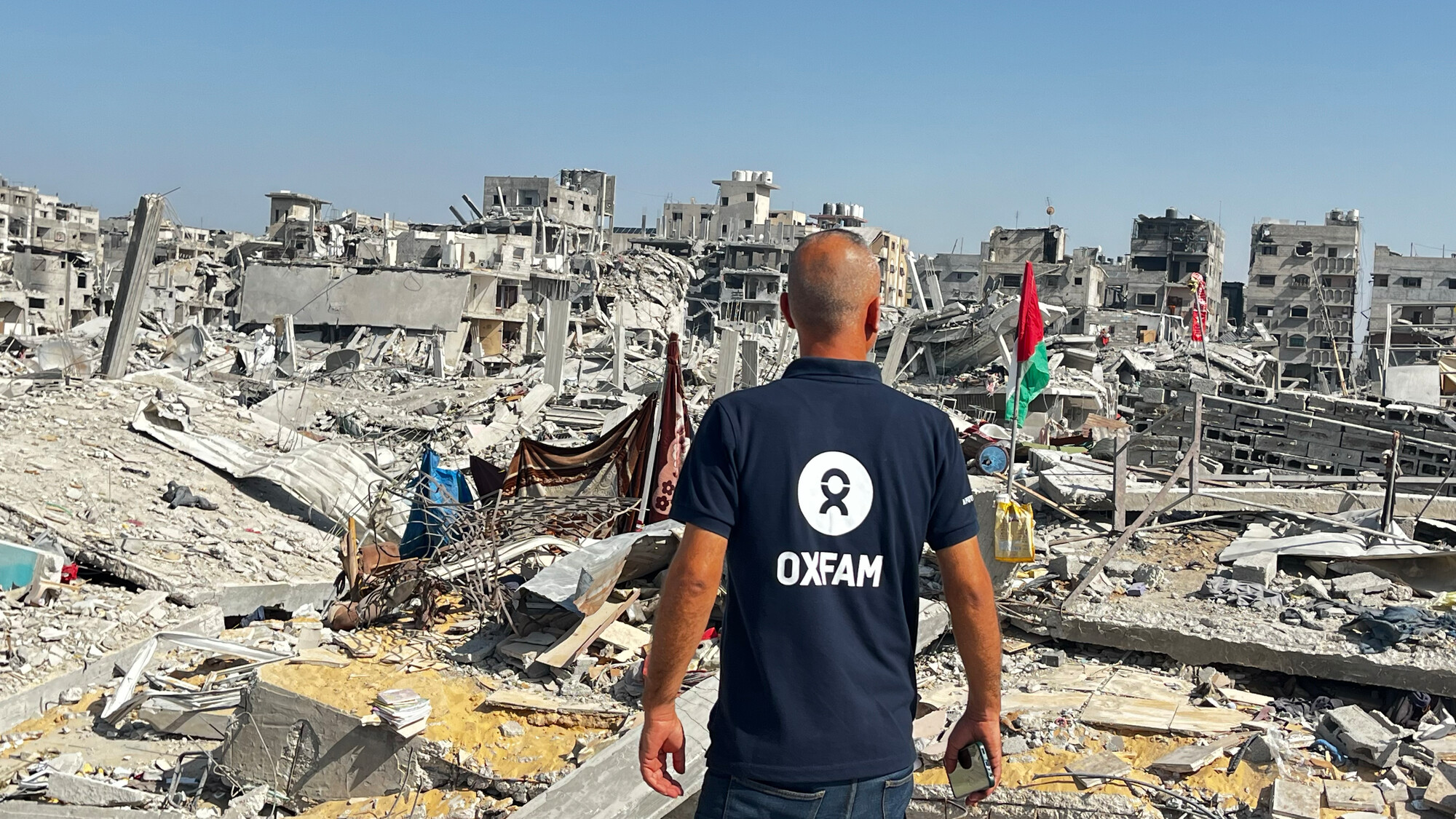
Oxfam stands with communities in Gaza as they work to survive and rebuild. The determination of local responders has made it possible to continue, but the scale of need remains far greater than what can be delivered under current restrictions.
Supporting Families with Dignity
Famine conditions continue to spread across Gaza. While food is entering markets through commercial suppliers, most people cannot afford to buy what they need.
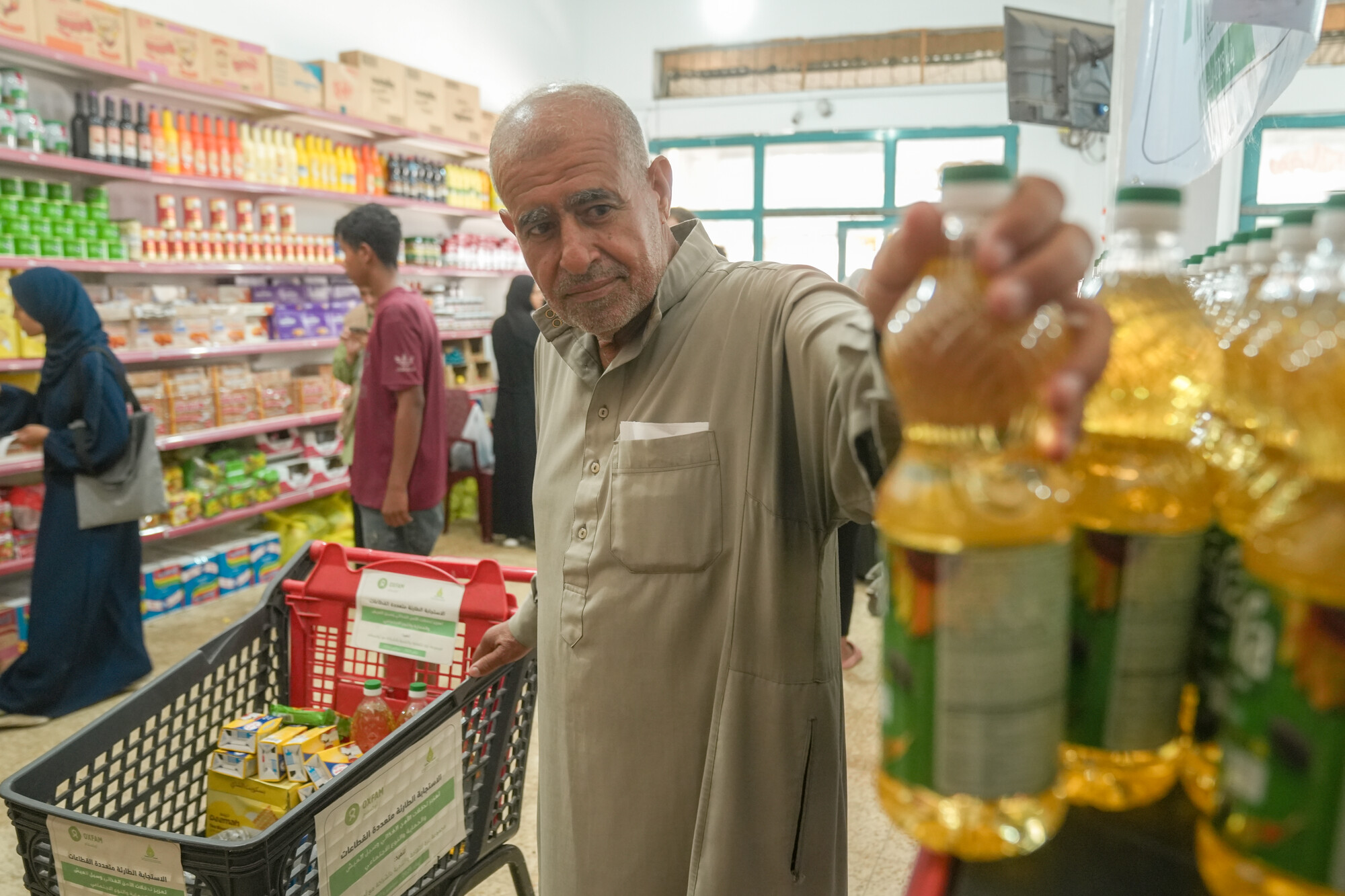
Oxfam is distributing food vouchers to families affected by Israel's genocide in Gaza. These vouchers allow families to access essential food items locally, helping them meet immediate needs. Supporting food security in this manner helps families navigate daily survival while preserving choice and dignity.
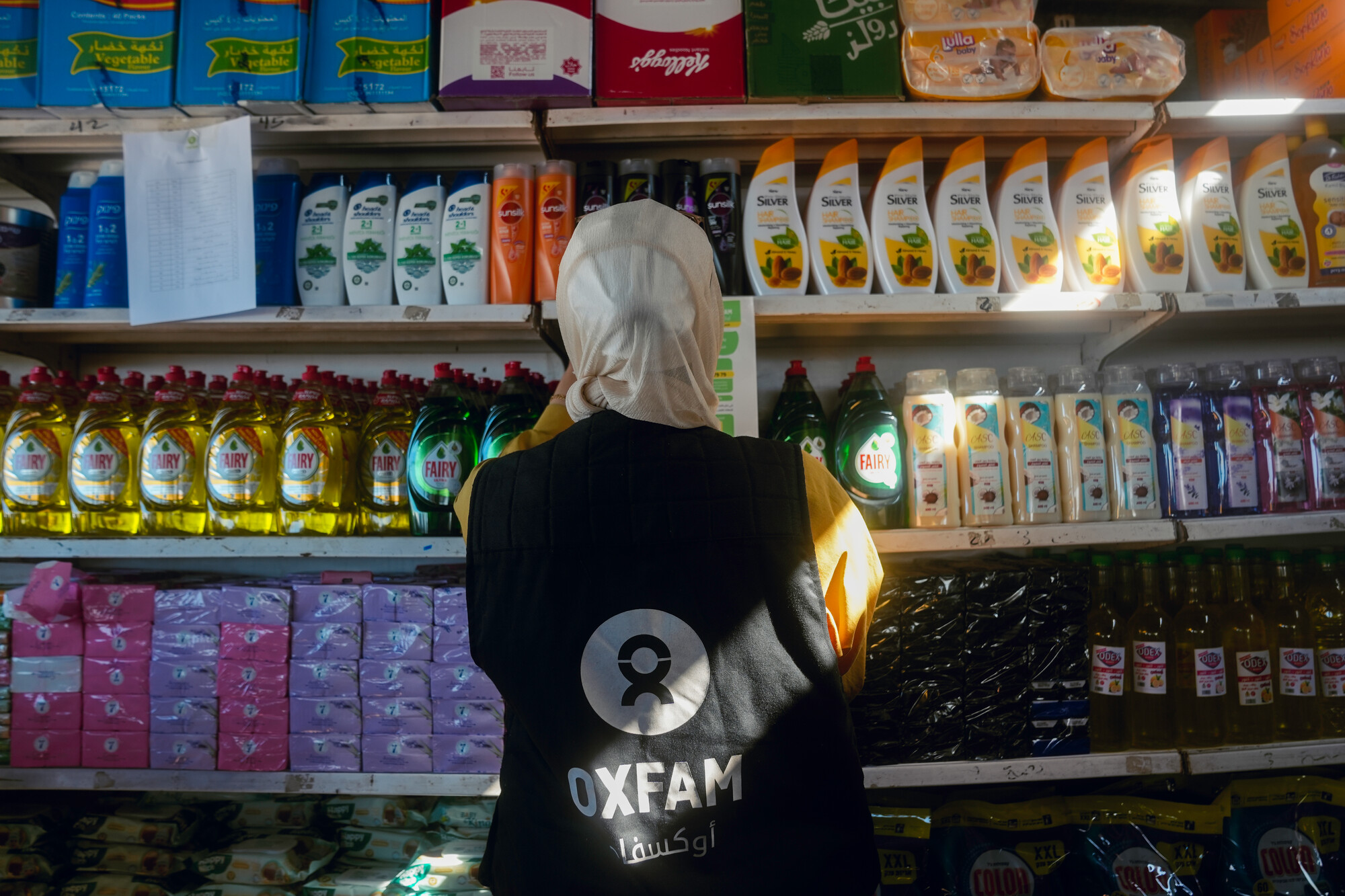
Hygiene assistance is also a priority. Oxfam is distributing hygiene vouchers so people can purchase basic necessities such as dish soap, shampoo, detergent, sponges, and sanitary pads. Access to these items is critical for health and dignity, particularly in overcrowded conditions.
Infrastructure in Ruins
After the ceasefire, images from across Gaza show widespread destruction, particularly in Sheikh Radwan, Zeitoun, and Tel al-Hawa. Residential and commercial buildings and core infrastructure have been nearly wiped out.
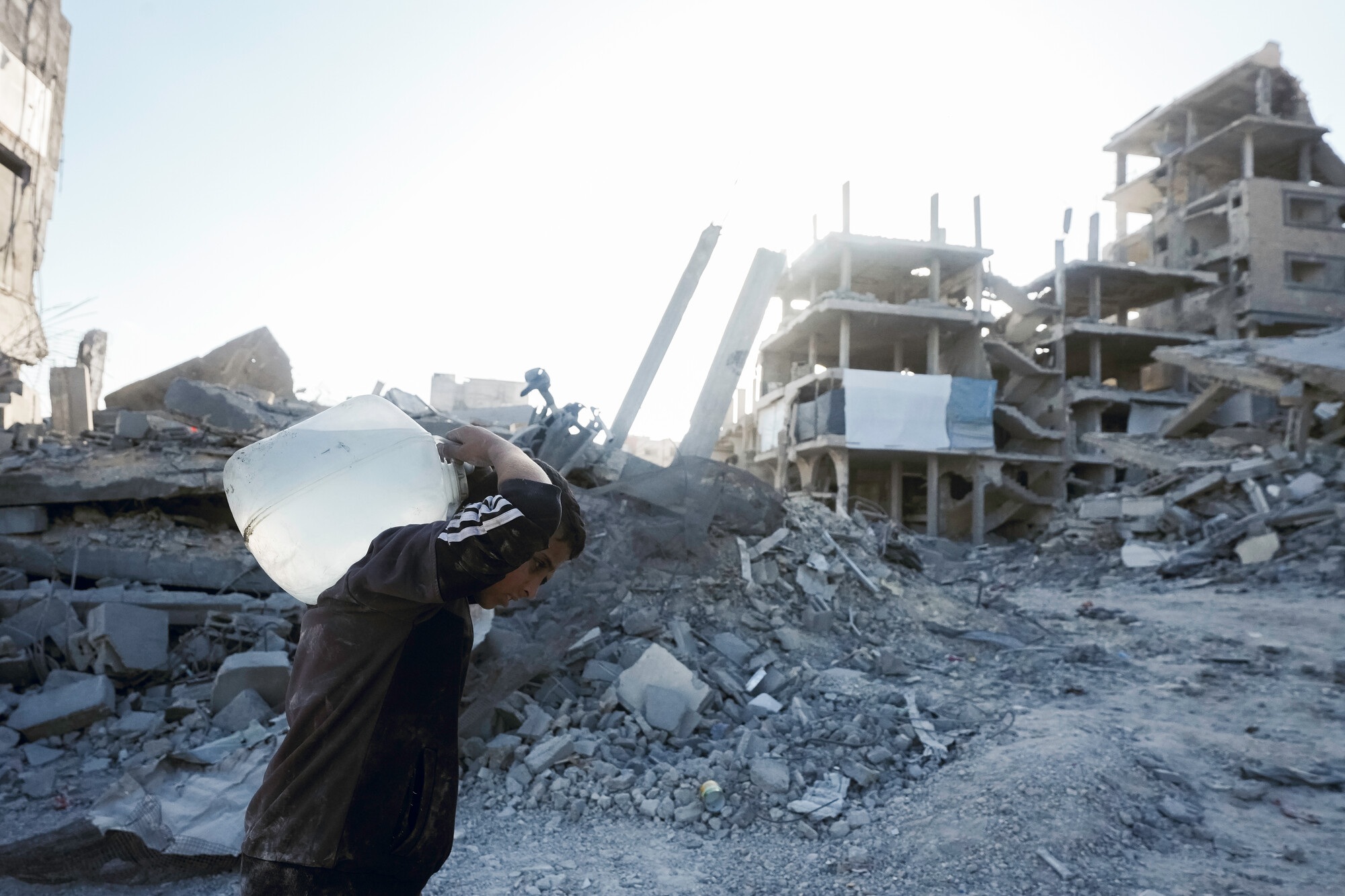
Water and sanitation systems have been severely damaged, including significant destruction of the Sheikh Radwan Basin — Gaza's largest rainwater catchment, which protects nearby neighbourhoods from flooding. This damage has deepened people's suffering and increased risks to health, safety, and dignity.
A Call for Solidarity
Oxfam and partners continue to respond on the ground despite ongoing blockages, but much more could be done. Oxfam can expand its response more rapidly and at a greater scale if Israel follows its obligations under international law and allows unimpeded humanitarian access.
Discover more stories
At Oxfam Canada, we believe that fighting inequality requires challenging the systems that create and sustain it. That’s why our commitment to anti-racism, JEDI, and decolonization is not a side project-it’s at the heart of everything we do.
Water is a right, not a luxury. Despite that, on this World Water Day, clean water remains out of reach for millions of people. In Yemen alone, more than 17.8 million people, including 9.2 million children, lack reliable access to safe drinking water.