For many of us, asking AI a question takes seconds. But behind that seemingly effortless response are enormous data centres filled with powerful machines. They generate huge amounts of heat and require energy and, in many cases, water to keep them running.
And while the machines get smarter, billions of people are still waiting for reliable access to water.
Today, 2.1 billion people still lack safely managed drinking water. Women and girls bear a disproportionate burden: in countries where data is available, they spend an estimated 250 million hours every day collecting water, time that could otherwise be spent at school, earning an income or caring for their families.
This is why the growing water footprint of artificial intelligence matters.
AI’s hidden water footprint
A 2026 study estimates that the global water footprint of AI could reach 4.2 to 6.6 billion cubic metres a year by 2027. That footprint comes not only from cooling data centres, but also from the water associated with generating their electricity and manufacturing the specialized chips and hardware they require.
And the footprint is set to grow as AI use expands.
The United Nations University estimates that, by 2030, the water footprint associated with electricity use by data centres could reach 9.3 trillion litres, equivalent to the basic annual domestic water needs of 1.3 billion people in sub-Saharan Africa.
That’s a projection, not a prediction, of water literally being diverted from those people. But it highlights the enormous scale of the resource demands behind our digital future and why where that water is used matters.
When machines need water, who goes without?
The issue isn’t simply how much water AI uses. It’s where that water is being used and who else needs it.
Research estimates that two-thirds of data centres built after 2022 are located in water-stressed regions. And the impacts of water scarcity are not shared equally.
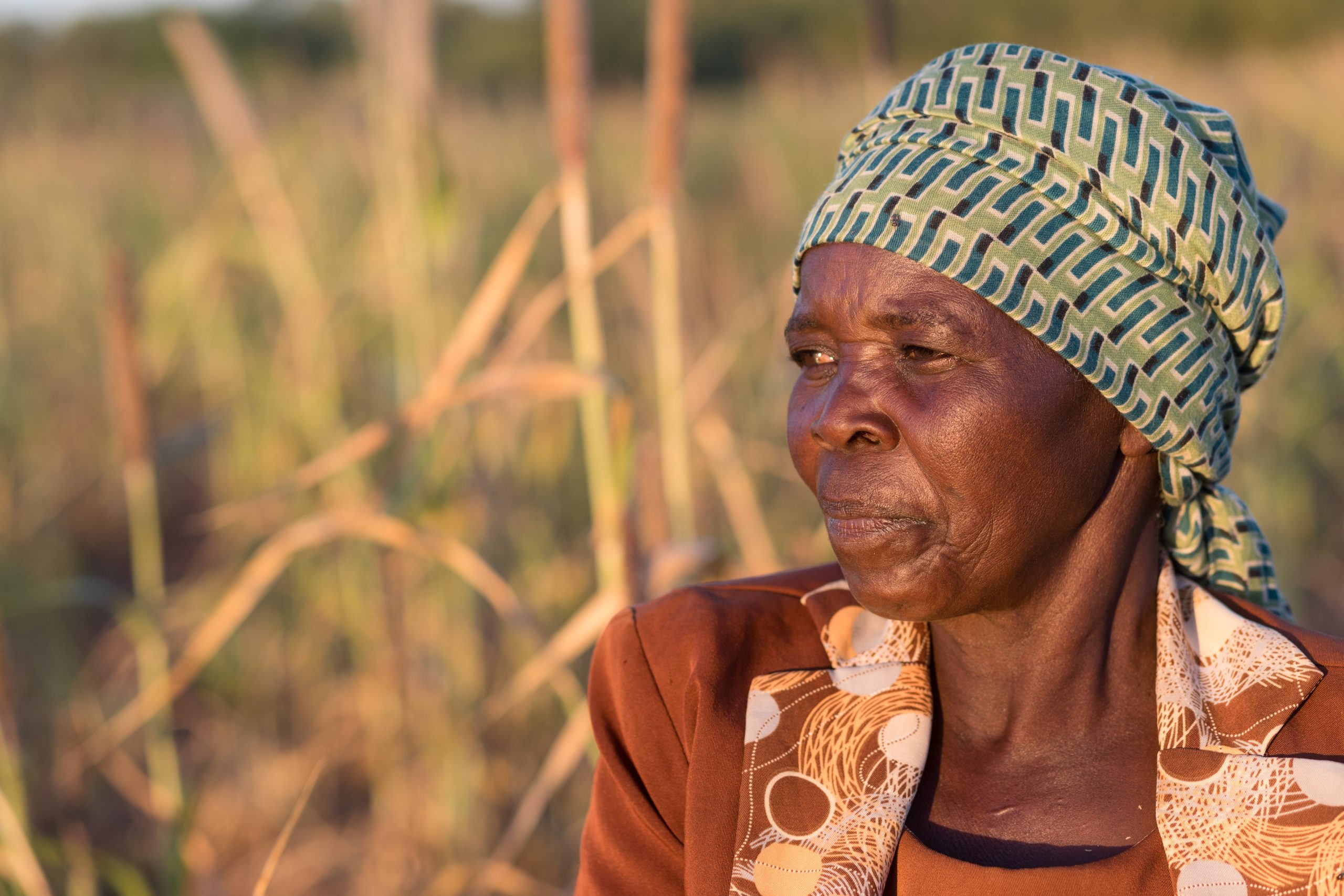
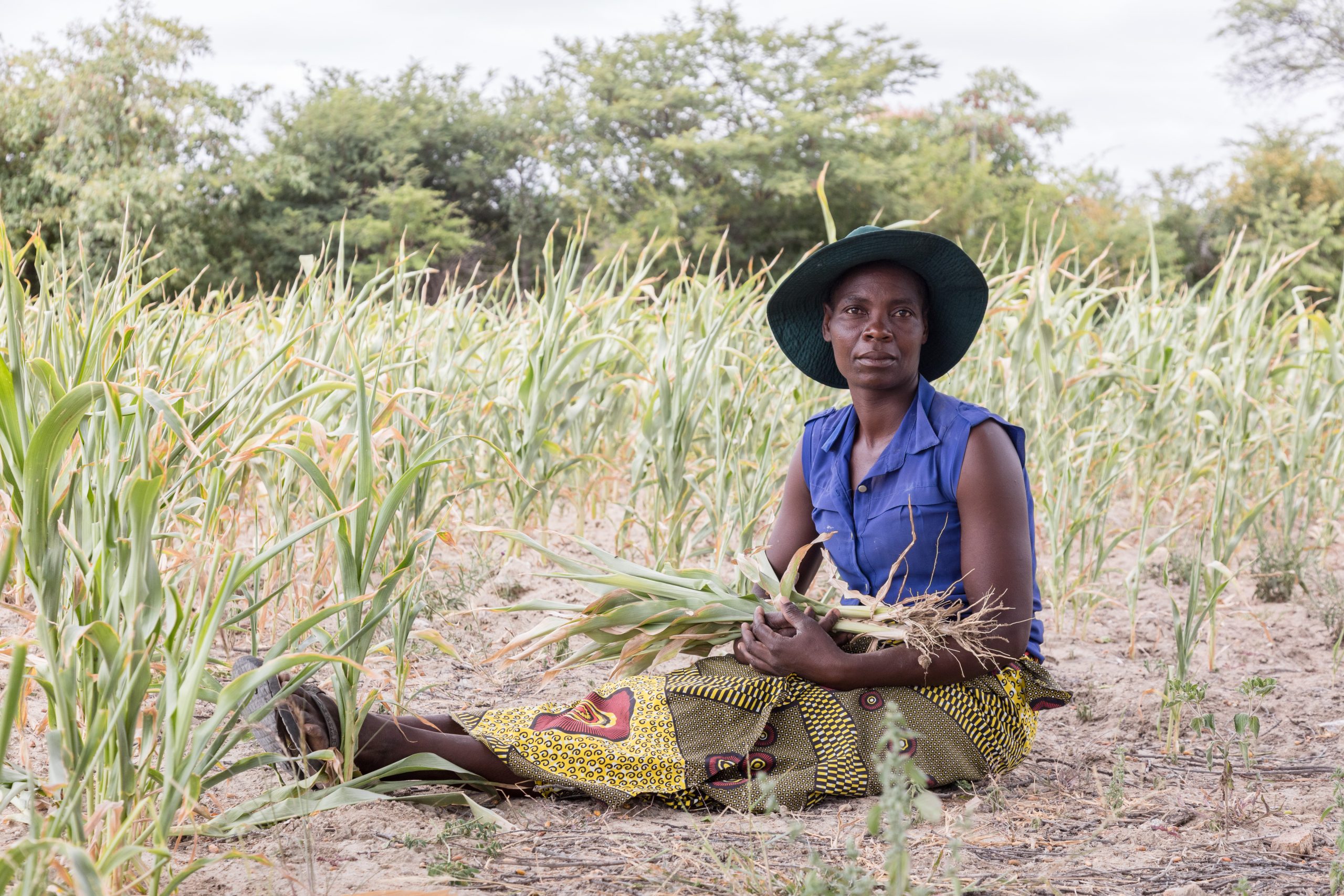
For people living in poverty or communities already affected by drought and climate change, water shortages can mean crops failing, livelihoods disappearing, food becoming more expensive, and families travelling farther to find safe water.
The United Nations says climate change, water scarcity and disasters are intensifying existing inequalities in access to water.
WATER IS NOT JUST ANOTHER RESOURCE. WATER IS LIFE.
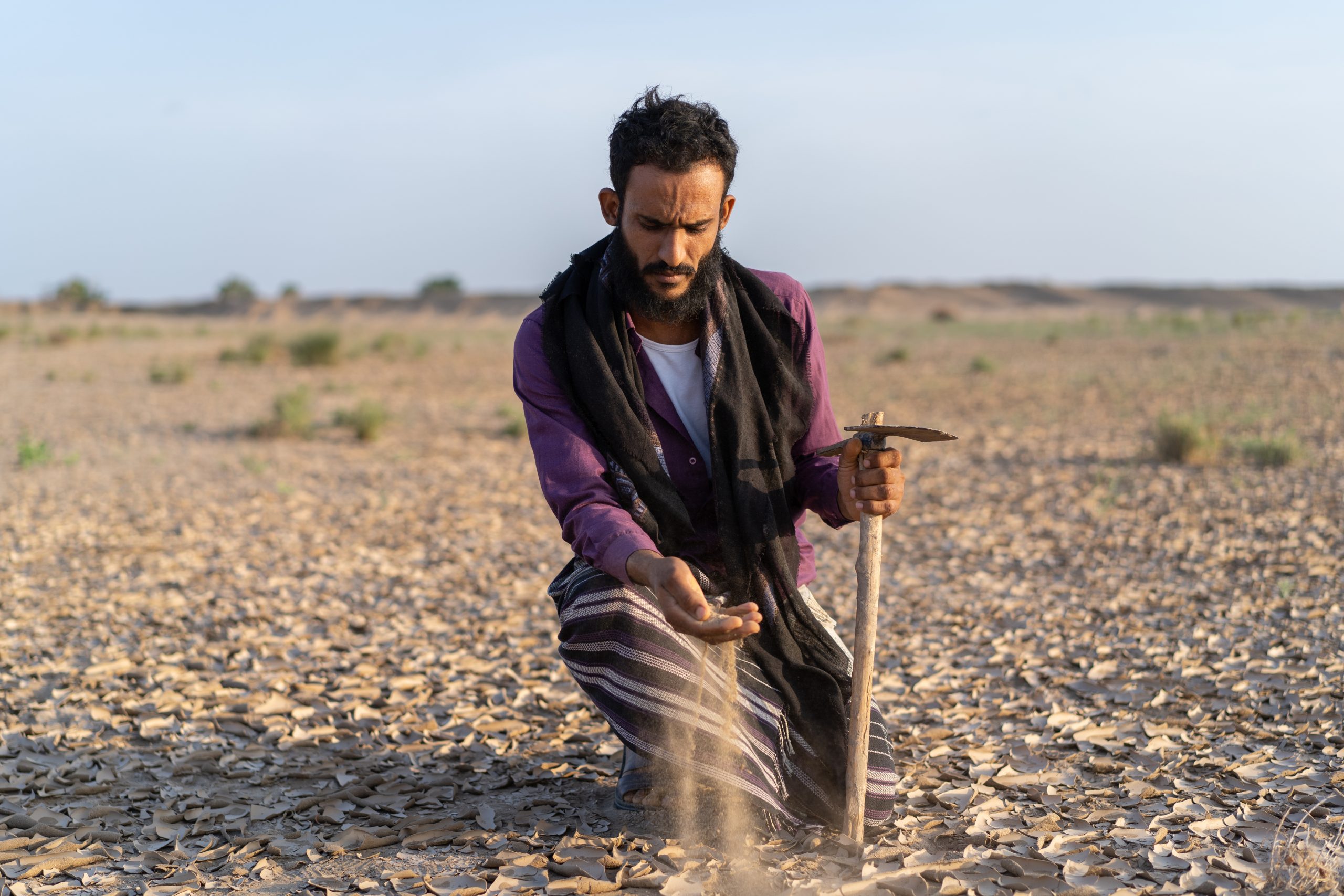
“We need support to reclaim the land, solar energy to extract water from wells to restore crops, reservoirs, dams to retain water and flood buffers.”
Bakeel Saif Jahes
27-year-old Bakeel Jahes holds sand in his hand from the desertified soil underneath him. Photo: Gabreez / Oxfam
The future runs on water. Let’s ensure lives are prioritized over machines.
AI isn’t the only thing placing pressure on freshwater. Climate change, agriculture, industry and growing populations all compete for this essential resource.
The question isn’t whether technology should advance. It’s what kind of future we choose to build and who gets to benefit from it.
Everyone deserves access to the water they need to drink, grow food, stay healthy and build a secure future.
Through its water, sanitation and hygiene (WASH) work, Oxfam supports communities facing water scarcity and the impacts of climate change. This work is about more than meeting immediate needs. It is also about helping communities build resilience and protect their livelihoods for the future.
The future runs on water.
Let’s make sure it’s not those living in poverty who pay the price.
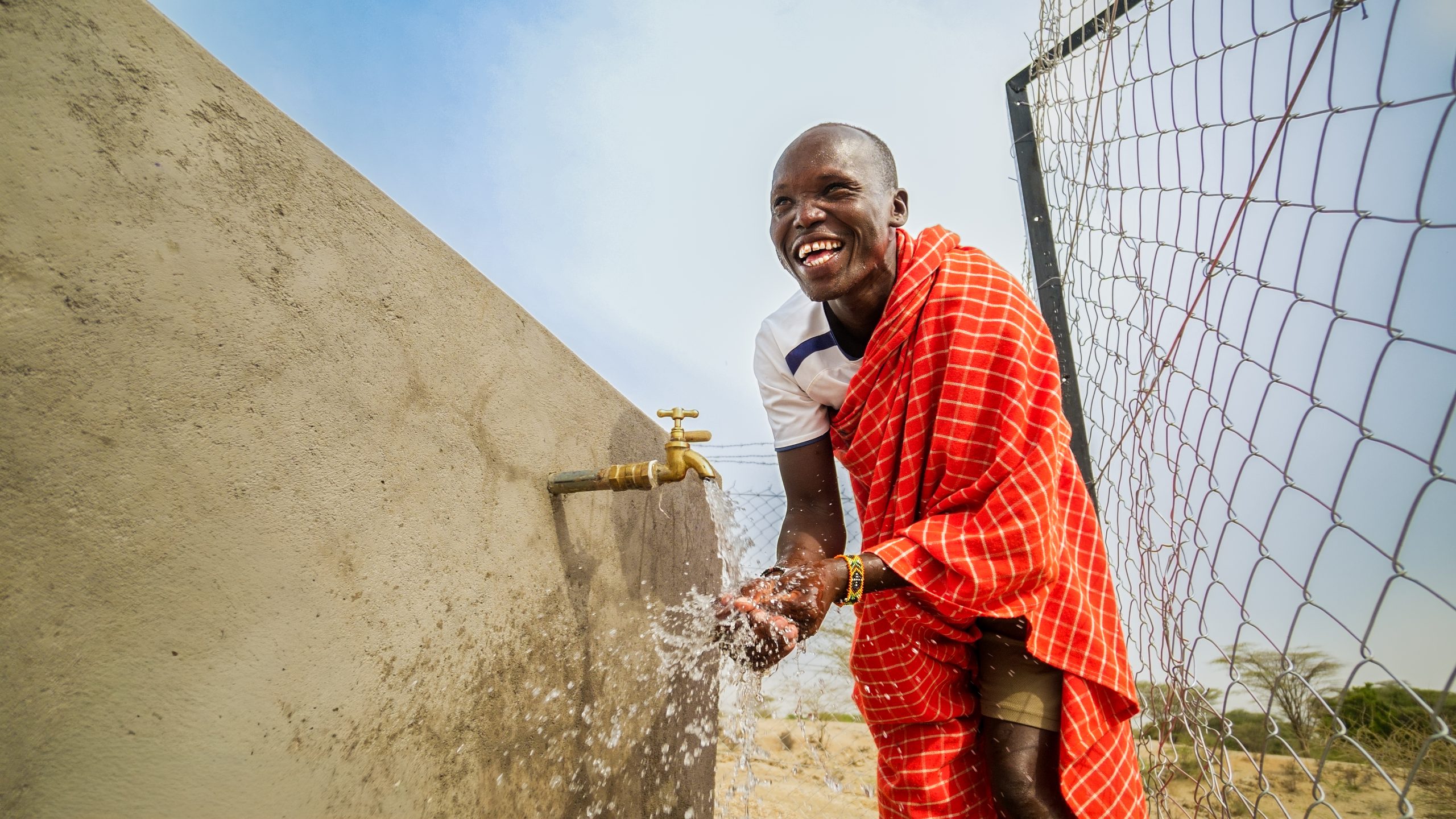
Ekai Adamson Samuel enjoying clean water at the water point in Moruese village. Photo: Emmanuel Albert / Oxfam