Make an Emergency Donation
Make sure your gift to Oxfam Canada goes directly to where it's most needed, without delay, with a secure online donation
The Situation
For more than three years, Palestinians in Gaza have endured relentless bombing, death and destruction.
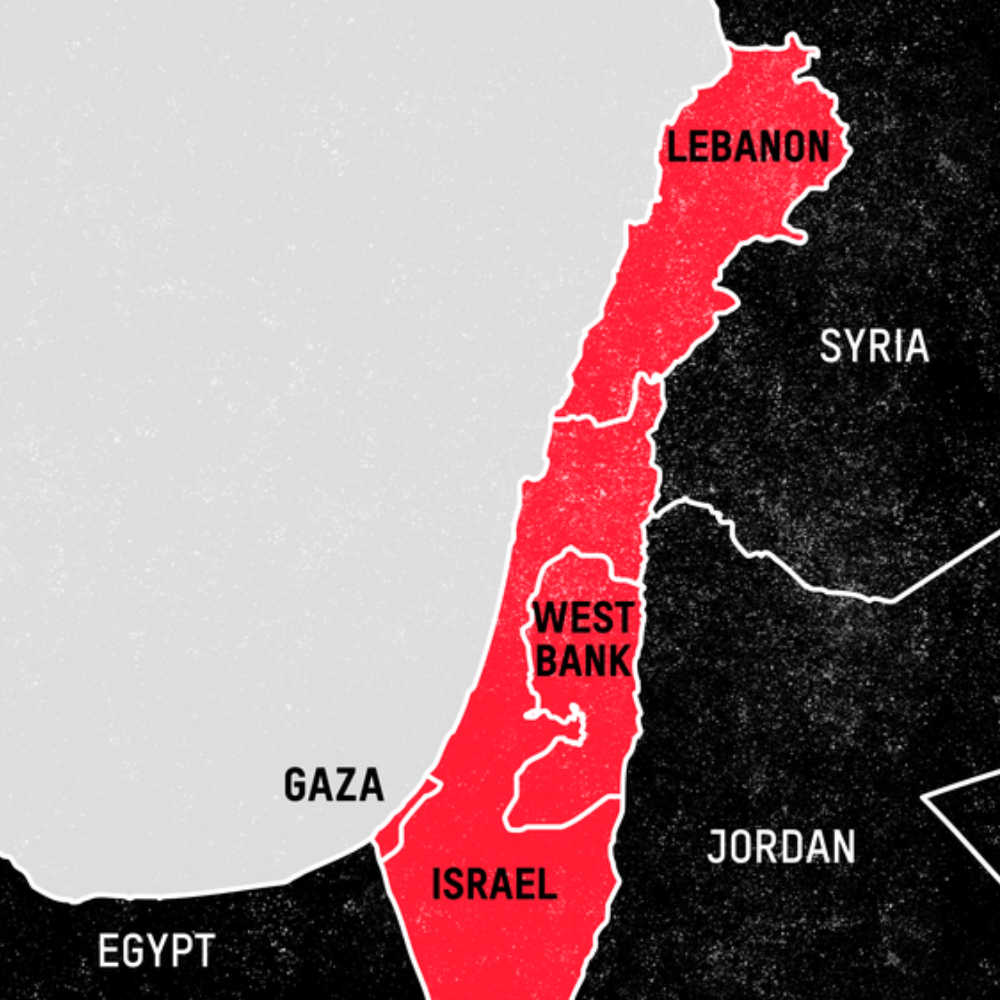
Gaza Strip
Displacement and Humanitarian Crisis
Despite the ceasefire announced on October 10, 2025, Palestinians in Gaza continue to face violence, displacement and severe humanitarian conditions. Since the ceasefire announcement, more than 1,500 fatalities and 5,400 injuries have been reported.
- An estimated 94% of Gaza's population requires shelter assistance and essential non-food items, with 58% facing critical needs.
- More than 80% of the population lacks adequate protection from weather conditions.
- Most of Gaza's 2.1 million people face increased risks of flooding and disease as the rainy season and winter approach, with many living in overcrowded displacement sites.
- An estimated one-quarter of people injured in Gaza since October 2023 are living with life-changing injuries, including amputations, spinal cord injuries and traumatic brain injuries.
Food Crisis
Food insecurity remains a serious concern, with high prices making it increasingly difficult for families to meet their basic needs.
- Inflation remains 206% above pre-October 2023 levels.
- Fresh foods and essential dry foods, including flour and rice, continue to experience significant price fluctuations.
Water and Sanitation
Gaza's water and sanitation infrastructure remains severely damaged, leaving families struggling to access safe water and increasing public health risks.
- In early July 2026, 90% of people surveyed were experiencing moderate-to-high water insecurity, up from 84% in June.
- Water insecurity was particularly severe in Gaza City, where 92% of surveyed households experienced moderate-to-high water insecurity, followed by Khan Younis at 90% and Deir al-Balah at 87%.
- All six wastewater treatment plants and 70% of sewage pumping stations across Gaza are out of service.
- More than 150,000 cubic metres of untreated wastewater are being discharged daily, increasing the risk of water contamination and disease.
- Airstrikes on August 23–24 damaged a UNICEF-supported water well and desalination facility in Deir al-Balah, disrupting access to purified drinking water for an estimated 100,000 people.
Humanitarian Aid
Humanitarian operations in Gaza continue to face severe restrictions, including limitations on the entry of essential supplies, equipment and materials needed to maintain water systems and provide shelter.
- In August 2026, generators were classified as dual-use items by Israeli authorities, further restricting their entry into Gaza.
- Timber, tools and emergency shelter materials have also faced restrictions, with 80% of timber in the supply pipeline still awaiting customs clearance.
- Restrictions on spare parts, generators, fuel and engine oil continue to affect humanitarian operations, particularly water and sanitation services.
- Oxfam has been unable to bring goods directly into Gaza since 2025. Supplies currently distributed or used by Oxfam are obtained through UNICEF and IOM common supply pipelines or purchased locally.
The West Bank
The humanitarian and protection situation across the West Bank, including East Jerusalem, continued to deteriorate. Intensified settler violence, Israeli military operations, demolitions, forced evictions and restrictions on movement have displaced thousands of Palestinians, damaged homes and livelihoods, and restricted access to essential services.
- More than 3,960 Palestinians were displaced across the West Bank during 2026 as of the end of August, due to demolitions, evictions, settler attacks and related access restrictions.
- Settler violence and associated access restrictions accounted for more than 60% of displacement recorded during 2026.
- More than 1,040 Palestinians had been injured in settler attacks since the beginning of 2026, as of August 24.
- More than 33,000 displaced Palestine refugees remained unable to return to their homes in Jenin, Tulkarm and Nur Shams refugee camps following Israeli military operations that began in 2025.
- By August 31, 130 Palestinian communities had experienced full or partial displacement since January 2023, including 48 communities that had been fully displaced.
- More than 6,400 Palestinians, including over 3,100 children, had been displaced since January 2023 due to settler attacks and related access restrictions.
Oxfam's Response
Despite ongoing violence and severe restrictions on humanitarian access, Oxfam and its partners continue to provide lifesaving assistance to Palestinians in Gaza and the West Bank.
Since October 2023, Oxfam and its partners have reached more than 1.65 million people across the occupied Palestinian territory through their humanitarian response.
Oxfam's response includes providing clean water, sanitation and hygiene services, cash assistance, food security and livelihood support, and protection services, including psychosocial support. Alongside this humanitarian work, Oxfam continues to advocate for unrestricted humanitarian access and a Palestinian-led reconstruction of Gaza.
The cost of rebuilding Gaza is estimated to be more than $100 billion CAD. But recovery must be about more than rebuilding what was destroyed. Palestinians must be able to shape their own future.
October 7, 2023
Conflict begins
January 21, 2025
Operation Iron Wall launched in West Bank
March 18, 2025
Ceasefire collapse
Full blockade begins
50 displacement orders issued
May 19, 2025
Limited humanitarian aid allowed
Over 202,000 displaced since this date
May 27, 2025
Militarized distribution system launched
82+ killed, 506+ injured at food distribution points
June 4, 2025
Current toll:
54,607+ Palestinians killed
125,341+ injured
640,000+ displaced since March 18
July 2025
Oxfam Response:
• Clean water to 60,000+ people
• WASH facilities for 40,000
• Mental health support to 2,000+
• Cash assistance to 700+ households
August 22, 2025
Famine confirmed in Gaza Governorate
With over half a million people across Gaza facing catastrophic food insecurity
October 10, 2025
A ceasefire takes effect in Gaza
But violence and restrictions on humanitarian access continue
November 2026
Israeli attacks continue
More than 1,500 Palestinians killed and 5,400 injured since the ceasefire agreement last year
3+ years of crisis
94% of Gaza's population requires shelter assistance and essential non-food items
90% of people surveyed experienced moderate-to-high water insecurity in early July 2026
80% of Gaza's population lacks adequate protection from weather conditions
Current Challenges
- Humanitarian access: Restrictions on the entry of essential supplies, including generators, spare parts, fuel and shelter materials, continue to hinder humanitarian operations in Gaza.
- Rising costs: As of August 2026, inflation remained 206% above pre-October 2023 levels, with significant price fluctuations for fresh food, flour and rice.
- Water and sanitation: Severe damage to water and sanitation infrastructure, combined with restrictions on essential equipment and fuel, continues to disrupt access to safe water and sanitation services.
- Winter preparedness: Restrictions on shelter supplies, limited access to land and funding gaps are making it difficult to prepare overcrowded displacement sites for the rainy season and winter.
- Safety and access: Continued violence and damage to humanitarian facilities are disrupting essential services and putting civilians and humanitarian operations at risk.