The Unequal Impacts of Climate Disasters
The climate crisis is deeply unfair. Oxfam's Disaster Divide report reveals the world's richest 0.1% produce more carbon emissions than the poorest 44% of humanity combined. In Canada, the richest 0.1% emit 50 times more carbon per person than the poorest half of the population.
Meanwhile, ordinary people, especially those living in poverty, are paying the highest price despite contributing the least to the climate crisis. They are more likely to lose their homes, livelihoods and access to basic needs when floods, droughts and extreme heat strike. Yet, the super-rich, who are responsible for the largest share of emissions, have money and resources to protect themselves.
As if this injustice weren't enough, climate disasters deepen existing structural inequalities. With each climate shock ordinary people are pushed further into poverty, leaving them even more vulnerable to the next disaster.
Disproportionate exposure and vulnerability to climate hazard:
The scale of this crisis is alarming. The World Bank estimates that climate change threatens to push up to 132M people into extreme poverty by 2030. A recent global report found that 80% of those living in poverty live in regions exposed to at least one climate hazard, such as extreme heat, flooding or drought. The numbers are stark: 681M people living in acute poverty are exposed to extreme heat, 465M to flooding and 207M to drought.
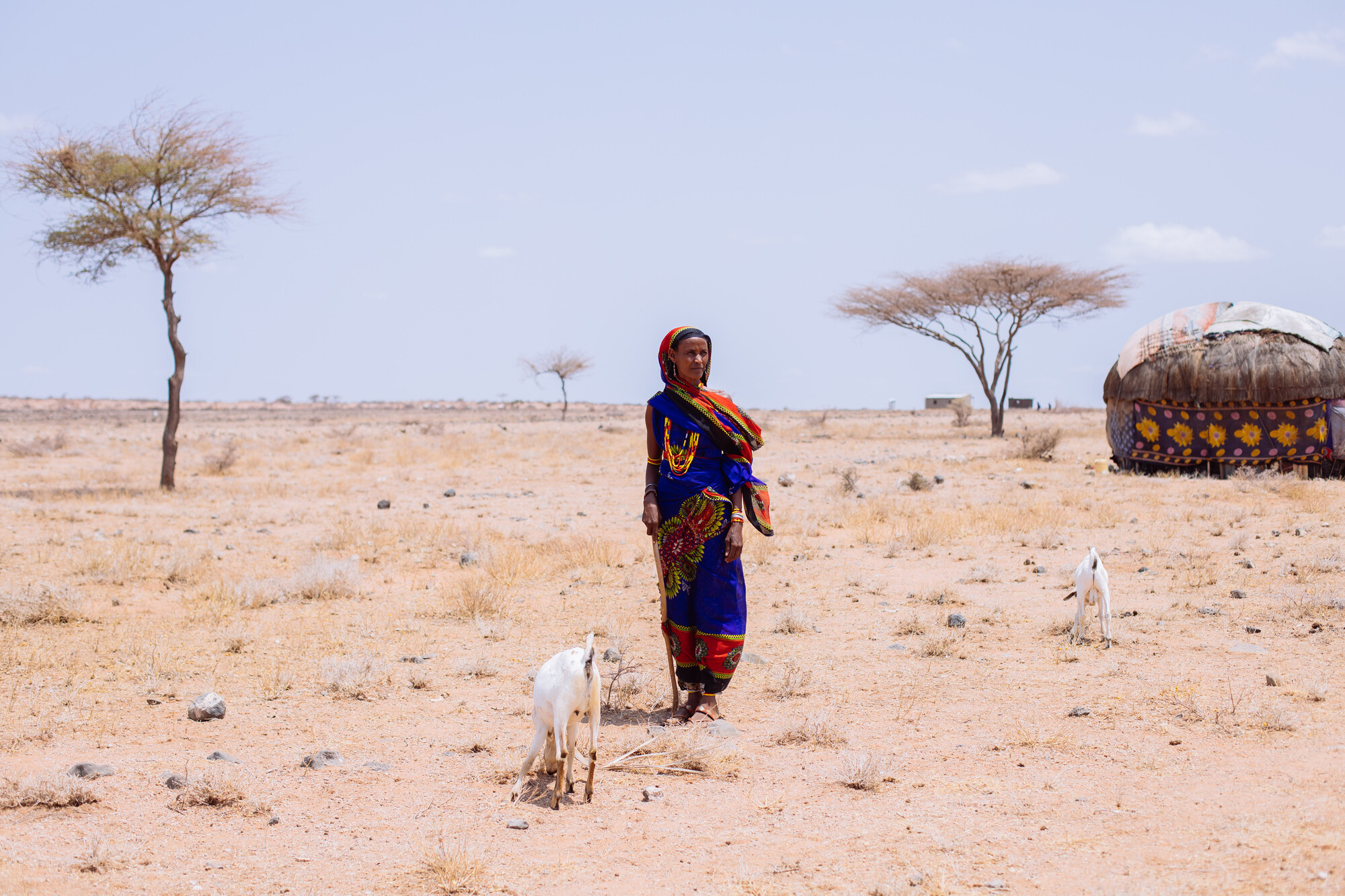
Ado Sori looking after her goats in El Beso North Horr, Kenya, where floods swept away her home in May 2025. Photo: Peter Irungu / Oxfam
Oxfam's analysis reveals how widespread these risks are in Canada and how they compare with other countries:
7M people in Canada are exposed to at least one of the climate hazards and 2.5M people are considered highly vulnerable.
The number of people exposed and vulnerable to climate hazards in Canada is higher than other developed nations like Australia and the United Kingdom.
The populations of low and lower-middle income countries are 30 times more exposed and vulnerable to climate hazards than people in Canada.
The devastating impacts of climate disasters extend far beyond immediate risks. From deepening hunger and destroying livelihoods to increasing the burdens faced by women and marginalized communities, the impacts can last long after a disaster ends.
Destroying livelihoods and deepening hunger:
For millions of people, climate disasters threaten their ability to earn a living and put food on their table. Smallholder farmers can lose entire harvests to droughts and floods, while rising temperatures and erratic rainfall disrupt food production and supply chains. When food supplies shrink and prices rise, families already struggling to afford basic needs are pushed further into hardship.
In 2024, 2.3B people, mostly living in the Global South, faced moderate or severe food insecurity. In Canada, nearly one in four people lived in food insecure households. With millions of people globally and in Canada already struggling with food insecurity, climate disasters threaten to make things worse by disrupting harvests, driving up food prices and risk more families going hungry.
The injustice doesn't stop here. Oxfam's new report Disaster divide: How climate chaos deepens inequality and enriches the few reveals that the wealth of billionaires who own some of the world's largest food companies has grown by more than US$130 billion since 2020, even as the world faced multiple food crisis. This exposes a deeply unequal system where powerful companies and the ultra-rich can cash in on crises.
Deepening gendered and intersectional inequalities:
Colonialism, racism, patriarchy and economic inequality overlap, deepening the impacts of climate crisis on women, Indigenous Peoples and marginalized communities. Studies found that in 68 percent of cases, women and girls faced greater climate-related health impacts than men and boys. Women and girls, especially those from low-income and racialized communities, often face greater risks due to unequal access to resources and decision-making power. Climate disasters can also increase unpaid care work and gender-based violence, adding to the challenges women already face.
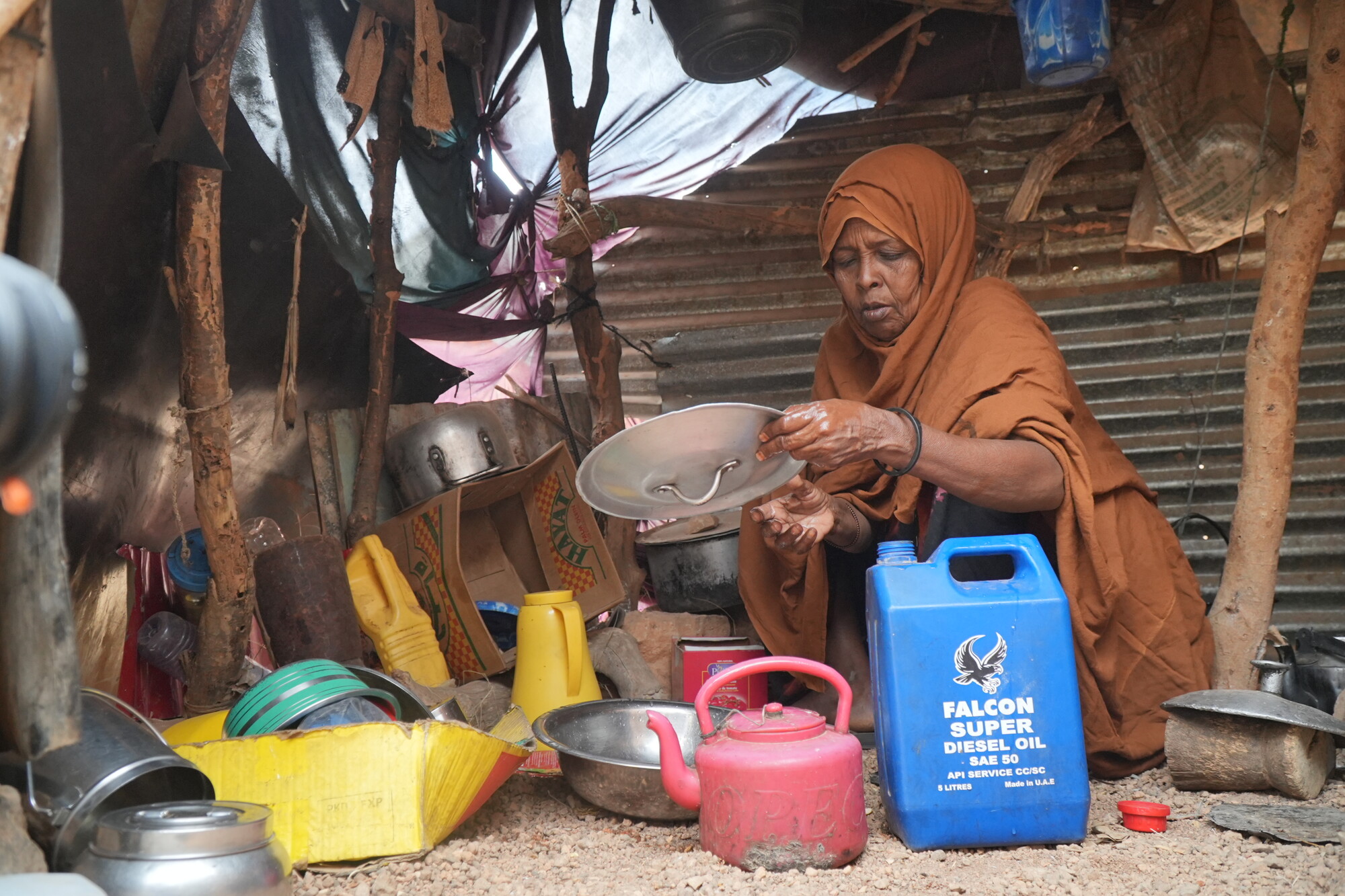
Like many in Somalia, Fadumo is experiencing the impacts of the severe drought. Even the simplest household chores depend on having enough water. Every litre must be carefully rationed between cooking, washing, and drinking. Photo: Abdiaziz Adani / Oxfam
In Canada, Indigenous communities and other marginalized groups face growing threats from increased wildfires, flood, drought and industrial pollution. In 2026 alone, more than 5,400 wildfires burnt about 4.5 million hectares of land across Canada forcing more than 33,750 people from their homes, including more than 8,800 from First Nations communities. For Indigenous Peoples, displacement can mean much more than losing a home as it can also disrupt access to traditional food sources, cultural practices and connections to their lands. These losses are made worse by the lasting impacts of colonial practices and corporate interests ahead of Indigenous rights and environmental protection.
Meanwhile, government decisions risk putting corporate interests ahead of Indigenous rights and environmental protection. Canada's proposed Building Canada Strong Act (Bill C-39), aimed at speeding up major project approvals raised serious concerns among First Nations leaders about weakened environmental safeguards and limits to meaningful consultation. Critics warn that faster approvals could come at the expense of communities and the climate, raising concerns about both fundamental human rights and the environment.
What needs to change
The cycle of climate change and rising inequality is not inevitable. Bold and fair policies can break this cycle by protecting communities most at risk and addressing the unequal causes and impacts of the crisis. As a wealthy, high emitting country in the Global North, Canada has both the responsibility and the resources to lead climate action at home and globally. The federal government should:
01
Tax the wealth, consumption and ownership emissions of the ultra-rich. This can be achieved through:
- Implementing a wealth tax on top-earners
- Increasing taxes on high-emitting activities, like private jet flights
- Increasing taxes on wealth invested in high-polluting industries
02
End disaster capitalism and profiteering from climate breakdown.
Canada must curb excessive corporate power and ensure that climate response prioritizes human needs rather than shareholder profit. Such policies include permanent windfall taxes on fossil fuel producers, a measure supported by two-thirds of Canadians.
03
Give more grant money to countries most affected by climate change.
Canada should provide more funding – via grants, not loans – to help the most climate vulnerable countries, especially Small Island Developing States (SIDS) and Least Developed Countries (LDC), adapt to climate change and recover from climate disasters. Countries can raise this money by taxing the richest people and corporations in their countries to minimize pressure on their own low-income groups.
Those who have contributed the least to the climate crisis should not be left to pay the highest price. It's time to shift the burden onto those most responsible for pollution.
Take action by joining thousands of people across Canada demanding that the federal government make rich polluters pay. → You can also donate today to help Oxfam support communities affected by climate disasters, meet their urgent needs, and build resilience against future crises. →Discover more stories
October 10 marked one year since a so called “ceasefire” was implemented in Gaza. Today, the genocide against Palestinians in Gaza continues and the humanitarian situation across all of Palestine remains urgent – including in the West Bank and East Jerusalem. Here we provide a brief snapshot of the latest updates across three areas – the current humanitarian context, empowering a Palestinian-led reconstruction of Gaza, and how states are attempting to uphold international law by implementing bans on commercial activities with illegal Israeli settlements in occupied Palestinian territory.
Around the world, millions of domestic workers, most of them women, are doing work that keeps our societies and economies running. Yet they remain among the least protected and most exploited workers. On October 29, the International Day of Care and Support, Oxfam released a new briefing paper, Time to Care for Care Workers: Ending the Domestic Workers' Exploitation, examining why the people doing this essential work continue to face exploitation and what needs to change.