Why Humanitarian Aid Matters: My Personal Connection to Sudan
Why Humanitarian Aid Matters: My Personal Connection to Sudan
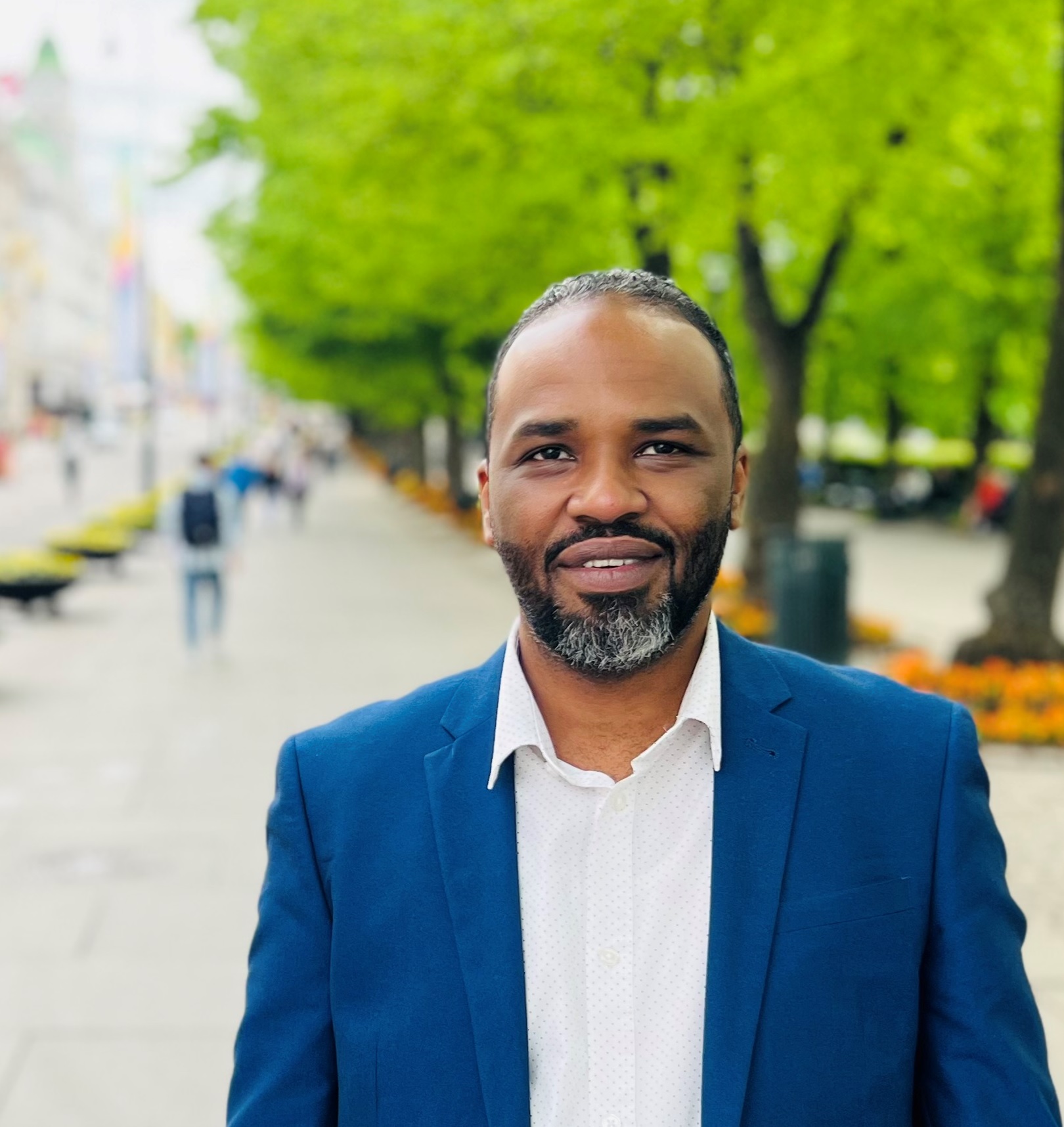
My name is Waeil Musa. Today, I work with Oxfam Canada as a Humanitarian Program Officer, but my story begins thousands of kilometers away, in Sudan.
Sudan was home. A country filled with simple moments that shaped who I am today: family gatherings, a strong community, and childhood memories. It was a place where life felt stable, familiar, and full of meaning.
Those early experiences are still with me. But everything I knew and everything that felt certain was gone in a second. Today, when I look at places that once held those memories, like the streets I walked, the spaces where I spent time, the landmarks I knew so well—I can barely recognize them. Many are damaged, burned, or completely destroyed. Places that once felt full of life now feel distant and unrecognizable.
Watching Home Vanish
I was working in Sudan in the humanitarian sector, delivering life-saving responses to communities affected by crisis. But when conflict broke out, everything changed. I found myself no longer only supporting others but responding to an emergency in my own community while trying to keep my family safe.
During that time, I was suddenly responsible not just for my immediate family, but also for my parents and neighbours—some of whom were pregnant or caring for young children. Daily life became a series of high-risk decisions. I often had to fetch water while under crossfire or travel into active conflict areas to secure food and basic supplies. These were not isolated moments, but repeated, life-threatening situations in the midst of an ongoing conflict that made no distinction between civilians and combatants.
Eventually, I had to make the difficult decision to send my wife and children away to safety, while I stayed behind to care for my parents. There was no certainty we would see each other again. They left without proper goodbyes, and for a long time, I had no way of knowing if they were safe—power and communication were down, and contact was impossible. The separation was one of the hardest parts of the experience, adding a deep personal toll to an already dangerous situation.
This experience reshaped my understanding of humanitarian work. From delivering assistance to living the reality of those we aim to support, it strengthened my commitment to ensuring that responses are grounded in dignity, safety, and the real needs of people facing crisis.
What started as uncertainty quickly turned into constant fear, driven by ongoing shelling, escalating violence, and the collapse of basic services. Access to food, clean water, health care, and education became limited or completely unavailable. Without warning, I found myself as a humanitarian worker facing the most dangerous situations I could imagine. Eventually, I had to make the difficult decision to leave my hometown in 2023. It was no longer safe to stay. Like many others, I left not because I wanted to, but because there was no other choice.
Leaving home is not just about moving from one place to another. It is leaving behind your sense of safety, identity, and belonging. It means walking away from everything familiar, without knowing if you will ever return.
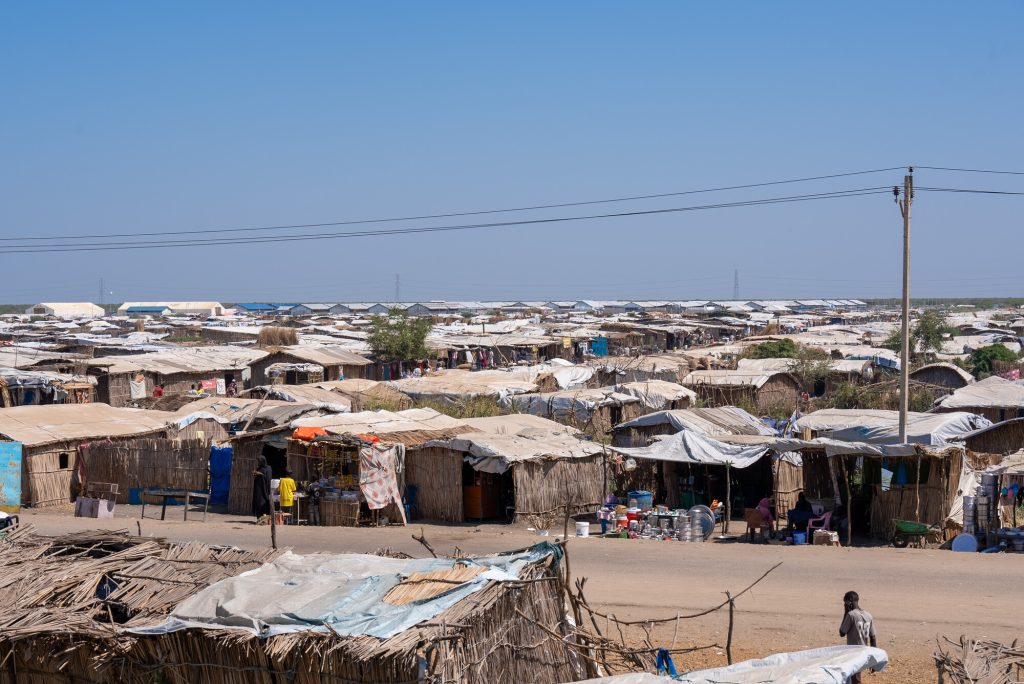
Overview of the Renk transit center that is hosting hundreds of thousand of people fleeing the conflict in Sudan. Photo: Herison Philip Osfaldo/Oxfam
As One Crisis Fuels Another
My story is not unique. Since 2023, over one million people have fled Sudan, escaping brutal conflict and crossing the border into South Sudan. Entire communities set out on foot with nothing but the hope of safety ahead of them: mothers, children, and elders.
Many flee to seek asylum in South Sudan, a country which is already grappling with poverty, widespread food insecurity and fragile peace, which has become a refuge under immense strain. And as if the strain were not already enough, conflict has now erupted there too.
Since December 2025, nearly 300,000 Sudanese people have been forced to flee their homes. They are sheltering in bushes, in overcrowded schools, in churches. In some places, 400 people try to get water from one single water tap.
The Cost of Turning Away
At a moment when needs are rising faster than ever, many of the world’s wealthiest governments are stepping back. We’ve seen Great Britain and the European Union cut aid, and in the case of the United States, remove it entirely. These consequences have been immediate and devastating.
Cutting aid sends shockwaves worldwide, disrupting economies and eroding hard-won progress for communities. Right now, there is a 47% funding gap globally, at a time when the number of people forcibly displaced from their homes has doubled over the past decade. Life-saving health services are shutting down; deadly diseases are spreading unchecked, and children are increasingly at risk of starvation. Already, 23 million people, among them mothers and pregnant women, are suffering from acute malnutrition.
Humanitarian workers stand on the front lines of these crises, delivering aid under extraordinary pressure. Often, their own families are facing the crisis that the humanitarian worker is responding to. That was my situation back in Sudan in 2023.
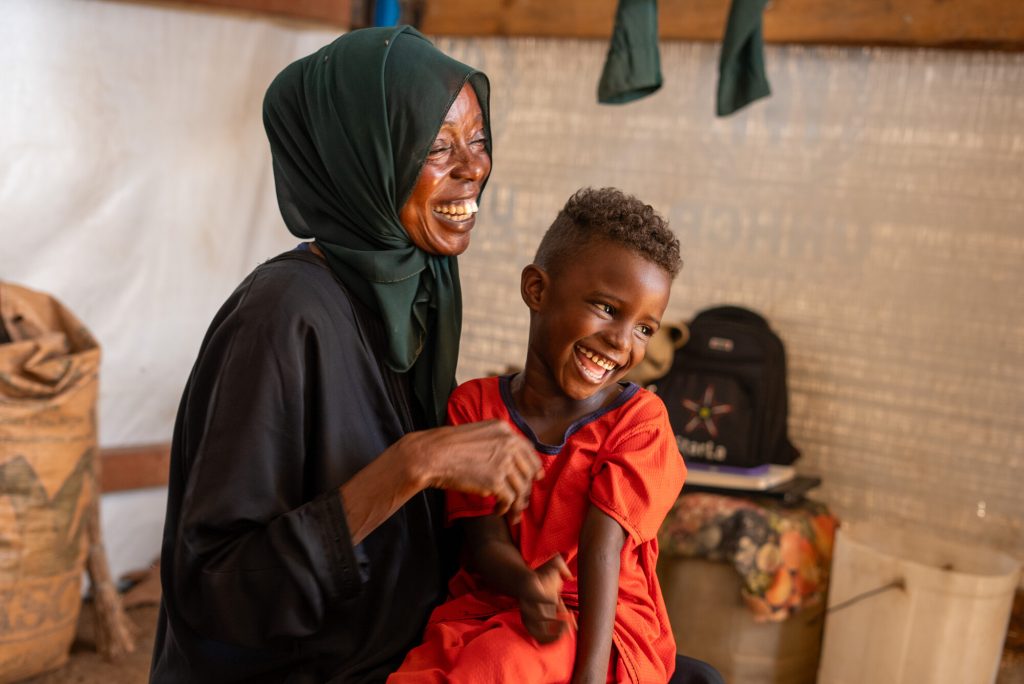
A 35-year-old mother and refugee from the Sudan war plays with her son at their makeshift home in Renk. Photo: Herison Philip Osfaldo/Oxfam
From Responding to Crisis to Living It
What fuels me today is not only what I have seen as a humanitarian worker over the years, but what I have lived myself.
And what stays with me most is this: women and girls, despite facing the greatest risks in crises, are still too often overlooked and under-prioritized.
As global aid cuts continue, the gap between needs and support is growing fast. We’ve heard directly from our partners that aid cuts don’t just reduce services; they undermine the ability of humanitarians to save lives. This is the moment where solidarity, like donating or signing petitions to join a collective, truly matters because for many families, it is the difference between getting help or being left behind.
Delivering Hope Under Impossible Conditions
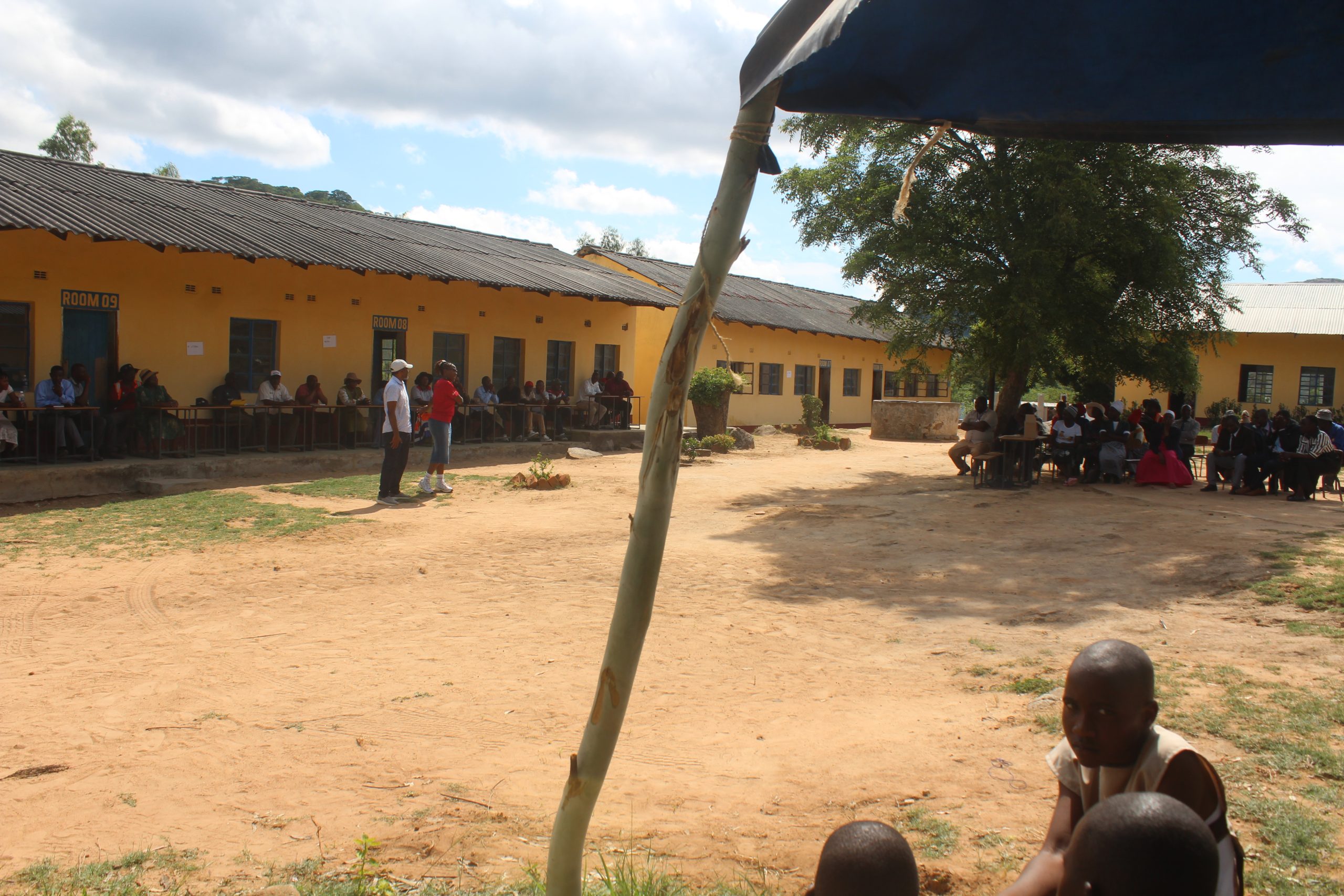
Community engagement activity, with community members and leaders, and case workers, to demonstrate the importance of protection and community-based protection networks. During my visit to Zimbabwe in Dec 2025, for the ongoing project Integrated Emergency Response for El Niño Drought-Affected Communities in Zimbabwe, Zambia, Mozambique, and Malawi, funded by GAC (Global Affairs Canada). Photo: Tavonga Chikwaya/Oxfam
Despite shrinking global support, Oxfam and our local partners remain steadfast in our response. Across South Sudan and at the Sudan–South Sudan border, we are installing water points, providing emergency food and clean drinking water, delivering immediate cash assistance, and repairing and building sanitation facilities to prevent the spread of deadly diseases such as cholera. At the same time, we are prioritizing women and infants with essential emergency kits.
These interventions are not abstract or symbolic; they are lifesaving. They mean a child can drink clean water, a mother can feed her baby, and a family can survive another day with dignity intact.
When We Choose Not to Look Away
As I reflect on this journey, my own and that of millions of others, I am reminded that humanitarian work is, at its core, about solidarity. It is about refusing to look away, even when the world feels overwhelmed by crisis. It is about standing with people, not because it is easy, but because it is necessary. In moments when systems fail and support falters, human solidarity remains one of the most powerful forces we have.
Oxfam spoke to Zinab Alzaki Mohammed Alnur, a 20-year-old Sudanese refugee displaced by the war.
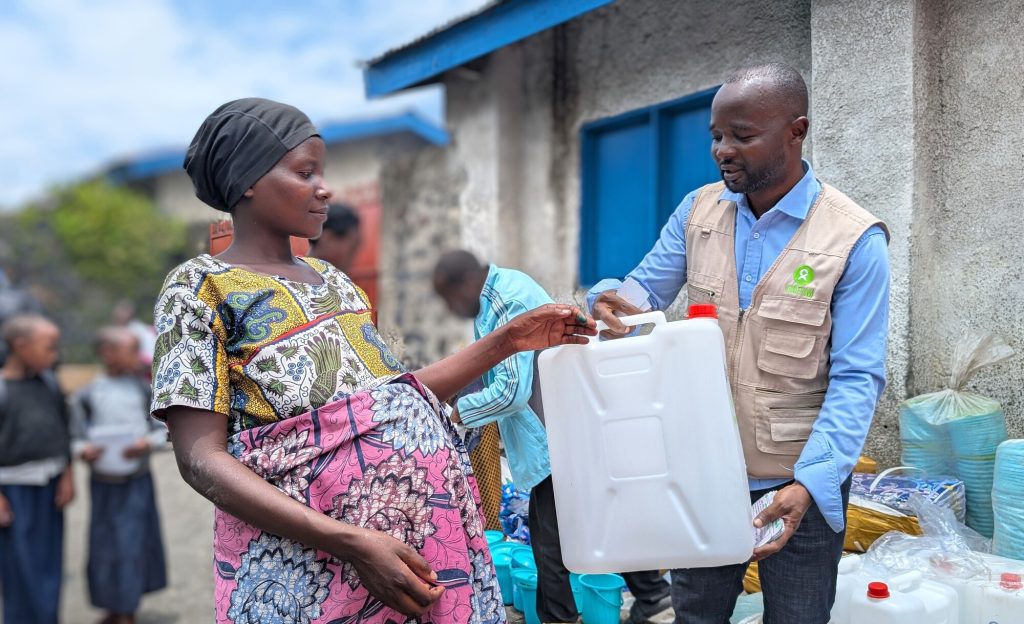
At a Non-Food Item (NFI) distribution at a transit centre in Renk, she spoke candidly with us, sharing:
"War can displace people whether we like it or not, but we must be safe... I'm very happy that Oxfam is helping me. After months, this is the first time I have received any services. I appreciate their help. We had no option but to come here to Renk. We thought the war would only last for a few months, but it is still ongoing."
Humanitarian aid is not only about meeting urgent needs; it is about affirming dignity, preserving hope, and reminding people facing the hardest moments of their lives that they are not alone. As long as crises continue, so too must our shared responsibility to one another.
Discover more stories
For World Humanitarian Day, we're spotlighting some of the world's largest displacement crises. From Sudan and South Sudan to Bangladesh, Uganda, Syria, and Lebanon, millions of people have been forced to flee their homes while the communities hosting them face growing pressure on resources and essential services. These are not the only humanitarian emergencies Oxfam is responding to, but they show why sustained humanitarian action remains so important.
For the International Day of the World’s Indigenous Peoples, Two-Spirit artist Syndel Thomas Kozar shares how ribbon wear workshops became spaces of cultural reclamation, gender self-expression, and community healing.